
Last updated November 14, 2026
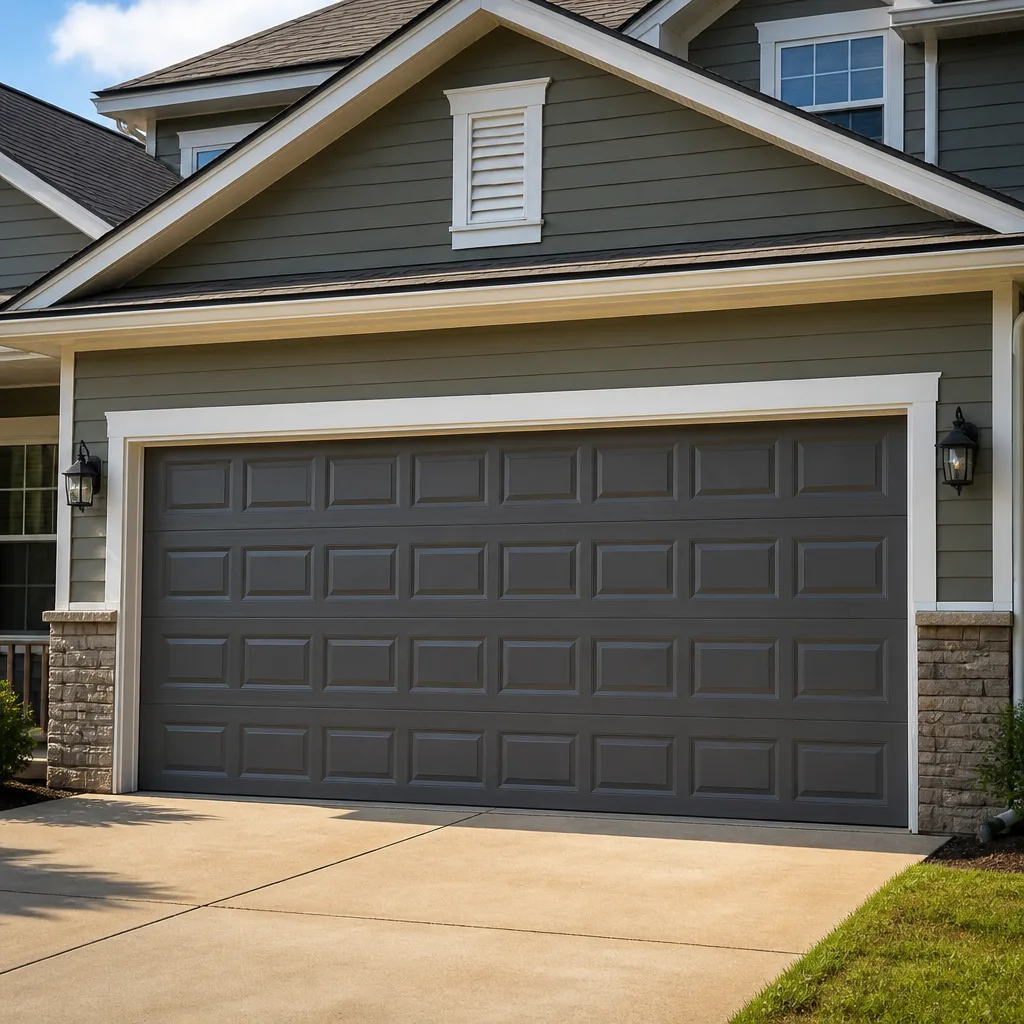 Raised-panel steel
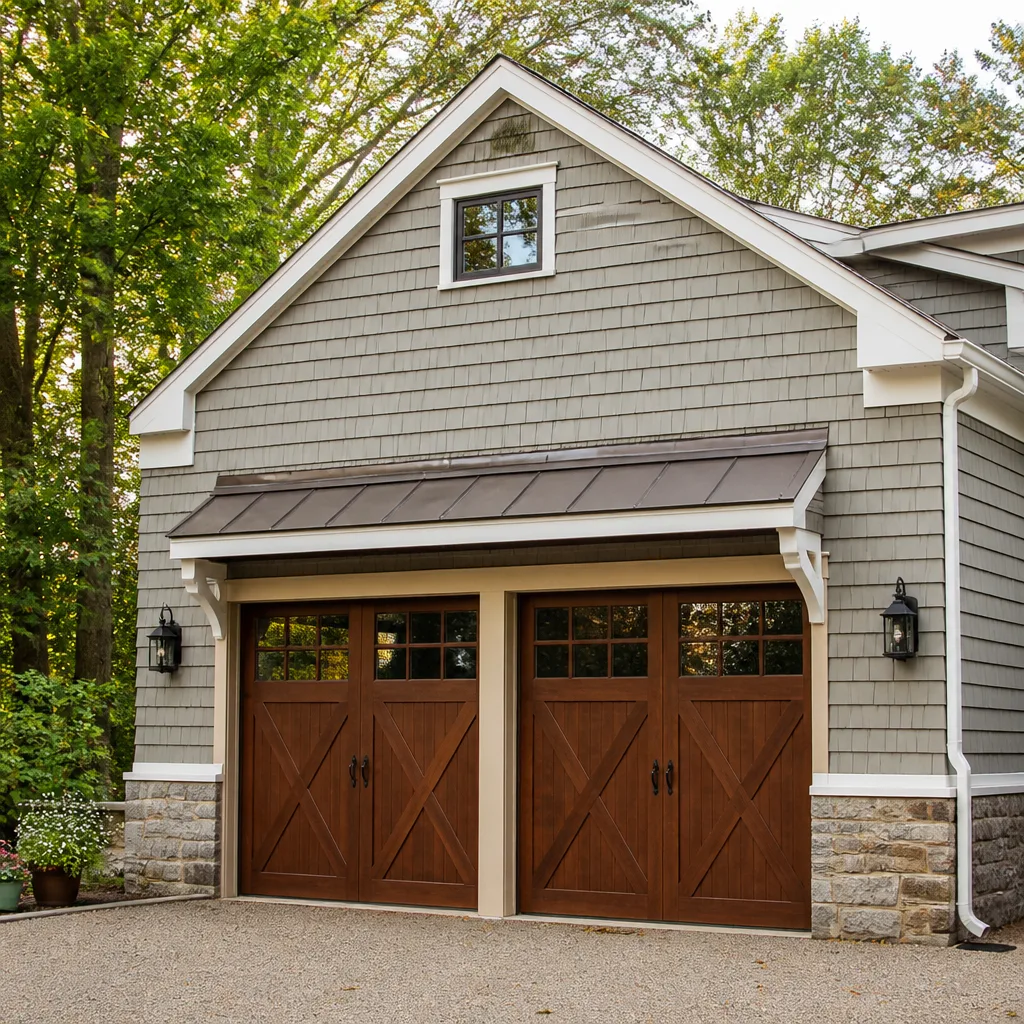 Carriage house
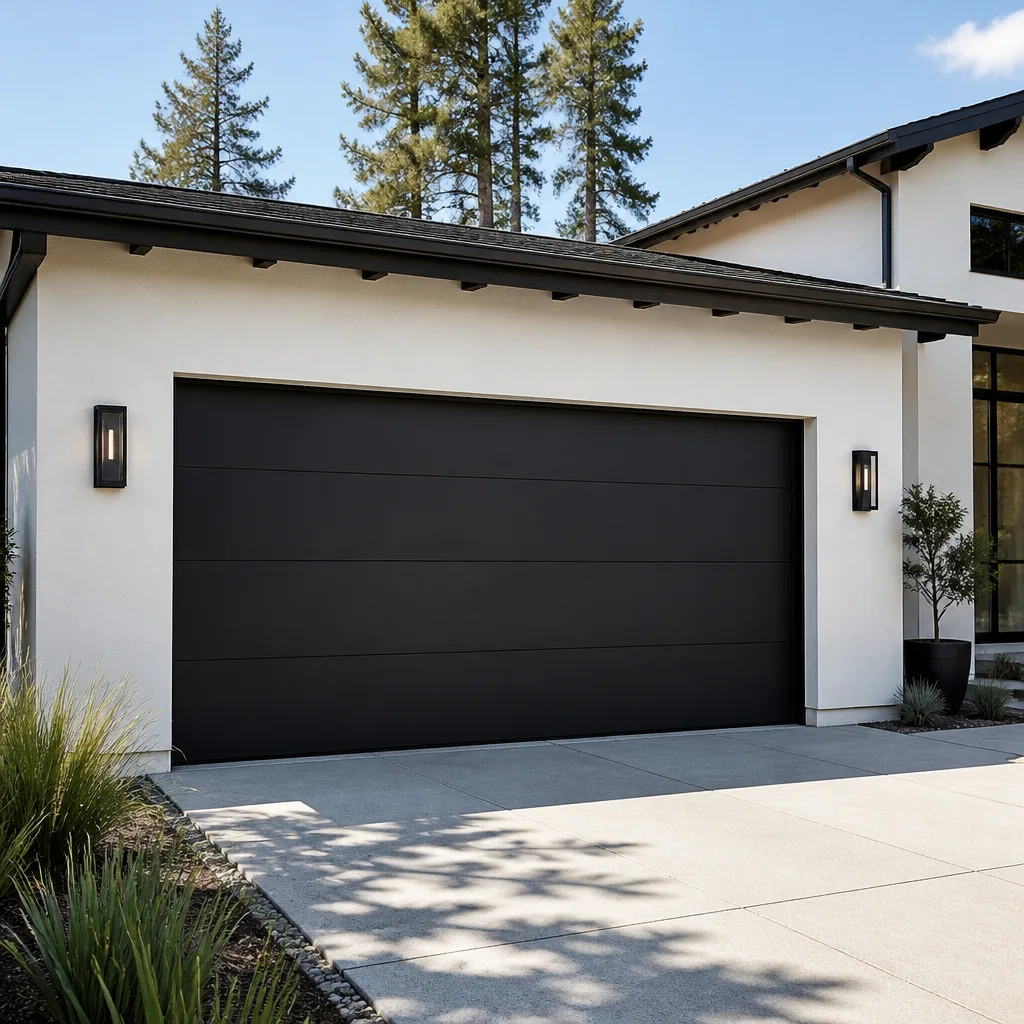 Modern flush
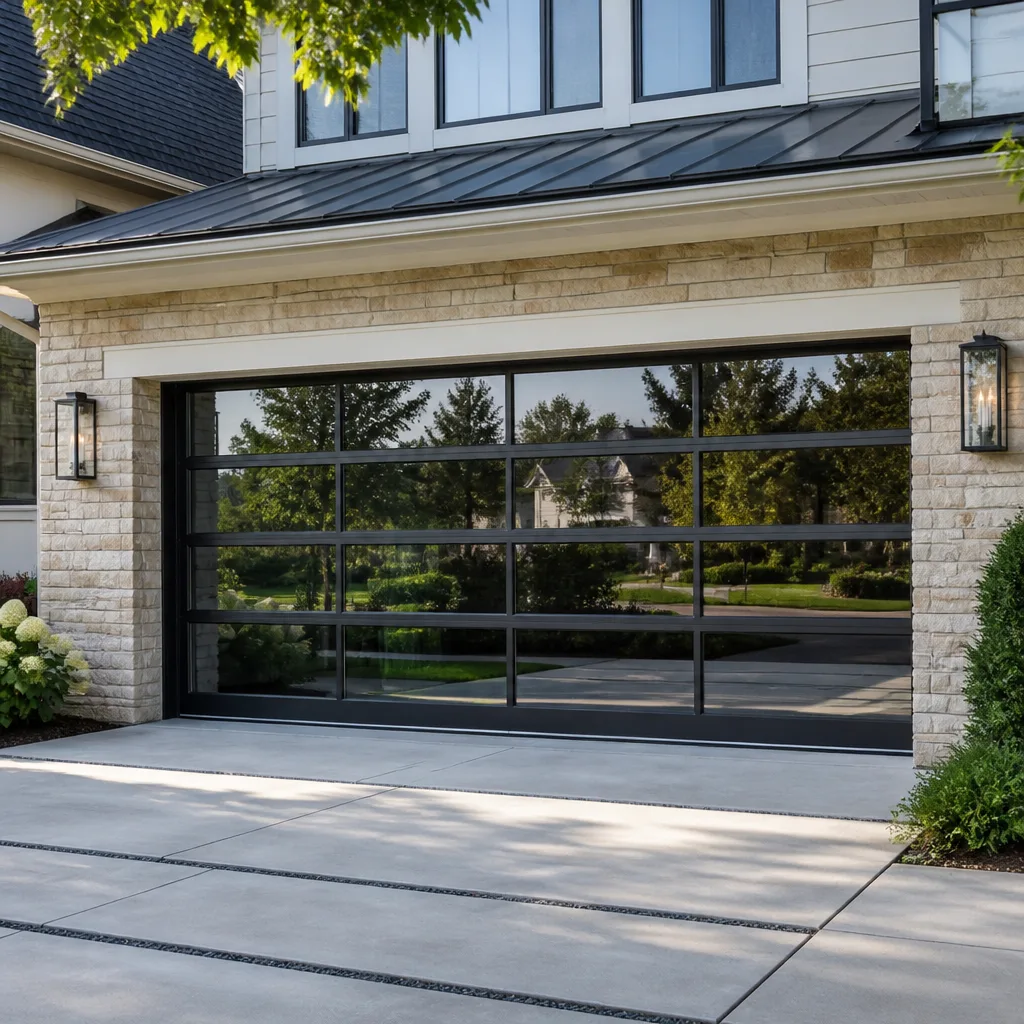 Full-view glass
 LiftMaster openers
 Chamberlain openers
Full 25-point door and opener safety check with every visit - springs, cables, rollers, tracks, and your LiftMaster or Chamberlain opener included
You get a price before we start. It does not change when the pro arrives.
Get your free estimateGarage Door Permits, Codes & Inspections in Visalia, CA: What You Need to Know
Most garage door work in Visalia never touches a permit. A snapped spring, a frayed cable, a LiftMaster logic board that quits after a power surge, a Genie opener whose rail has come loose from the header – none of that requires a city inspection, and any contractor who tells you otherwise is either confused or selling you something. But the moment you change the door itself, especially a full replacement on the opening, you cross into permit territory, and the line isn’t obvious. Homeowners cross it by accident all the time. Some contractors do too. What follows is the plain version: which jobs need a City of Visalia permit, which are maintenance and exempt, how California’s Title 24 energy rules apply to insulated door swaps, what happens at inspection, and what you’re actually exposed to if unpermitted work surfaces when you sell. If you’re deciding right now whether your project needs paperwork, this guide answers that for Visalia specifically.
Quick Answer
A permit is required in Visalia for a garage door replacement or new installation on an existing opening, because it changes the structural opening and the door assembly itself. Repair work – springs, cables, rollers, tracks, hinges, panels and opener components – is maintenance and does not require a permit. Insulated door replacements on a conditioned or attached garage may also trigger California Title 24 documentation, so confirm the R-value paperwork before the inspector arrives. Always verify with the City of Visalia Building & Safety Division for your specific address, since rules can shift and your situation may have details this guide can’t see.
Styles & brands we work with
- Raised-panel steel
- Carriage house
- Modern flush
- Full-view glass
- LiftMaster openers
- Chamberlain openers
Table of Contents
- Which Garage Door Projects Need a Permit in Visalia?
- How California Title 24 Applies to Insulated Door Replacements
- The Visalia Permit and Inspection Process, Step by Step
- What Happens If You Skip the Permit
- Unpermitted Door Work and Selling Your Visalia Home
- When Previous Owners Left You Unpermitted Work
- What the Inspector Actually Looks At
- Hiring a Contractor vs. Pulling the Permit Yourself
Which Garage Door Projects Need a Permit in Visalia?
The short version: if you are replacing the door as an assembly or cutting into the opening, you need a permit. If you are repairing a component, you don’t. That’s the whole rule, and it holds across most of Visalia’s housing stock, from the older single-family homes near downtown out toward the tract neighborhoods in the northwest.
Here’s the decision tree we use when a homeowner calls and asks whether they need to involve the city:
- New door on a new opening, or an opening being resized. Permit required. This is structural work. A permit is not optional and the plan needs to show how the header and framing support the door.
- Replacing an existing door with a new door on the same opening. Permit required in Visalia for a full replacement. The opening is already there, but you are installing a new assembly, and the city wants to see that the door meets current code for wind loading, safety devices, and energy documents.
- Replacing just the opener. No permit. Openers are appliances, not structural elements. Swapping a failing unit for a new Chamberlain or Genie is electrical work done to the manufacturer’s instructions and doesn’t require a city inspection.
- Replacing a single damaged panel. This one depends on the extent. A cosmetic panel swap on a sectional door is generally treated as repair, but if the panel replacement involves re-tensioning the whole assembly or altering the track, treat it as a repair that requires a qualified technician, and if the door is being substantially rebuilt, confirm with the building department before you decide.
- Springs, cables, rollers, hinges, bearing plates, weatherstripping, sensors. No permit. Pure maintenance.
- Adding a smart opener or camera module to an existing opener. No permit. This is a retrofit to the existing unit.
- Converting a manual door to opener-driven operation. Usually no permit for the opener itself, but if the door needs a new torsion assembly or reinforcement to handle the weight and drive, the door side is the deciding factor. Judge the door, not the motor.
If you’re unsure where your project lands, that’s a legitimate reason to call the City of Visalia Building & Safety Division before work starts. You’ll save yourself weeks later. We’d rather have a homeowner call and ask than install a door and have them discover a compliance problem six months later during a refinance appraisal.
How California Title 24 Applies to Insulated Door Replacements
Title 24 is the part of the permit conversation that surprises people. California’s energy code treats the garage as part of the building envelope when it is attached to or beneath conditioned space, and that means an insulated garage door is no longer purely a comfort choice – it is documented as part of the envelope.
What this looks like in practice for a Visalia replacement:
- The door has an R-value. Insulated doors are rated. The manufacturer publishes the R-value for the specific model, and the number lives on the product data sheet and the door label.
- The inspector may ask for documentation. That means the manufacturer’s specification sheet or label showing the door meets the applicable U-factor or R-value for your climate zone. If the installer didn’t leave the documentation with you, you’ll want to track it down before the inspection signoff.
- Air sealing matters as much as the door. The perimeter seal, threshold, and side jambs on an insulated door installation are part of the energy picture. A door with a strong R-value and a badly sealed opening underperforms the rating on paper.
- Attached garages are the case that matters most. A detached garage with no conditioned space adjacent is generally treated differently than an attached garage on a typical Visalia ranch or tract home. When the door separates conditioned living space from an unconditioned garage, the door sits in the thermal boundary and Title 24 applies.
- Specifying the door up front is easier than retrofitting compliance. When we spec a Clopay insulated model for a replacement, we collect the R-value documentation at the time of order so it isn’t a scramble at inspection. If a homeowner is buying the door direct and hiring installation separately, they need to make sure the documentation travels with the door.
Title 24 is why a “cheap” door replacement that skips the permit can look like a bargain on the invoice and turn into a problem at resale. The permit process is where the energy documentation gets checked. Skip the permit and you skip the check, but you don’t skip the code.
The Visalia Permit and Inspection Process, Step by Step
A typical replacement permit in Visalia follows this sequence. The timeline below is a general picture – specific review times depend on the city’s current workload and how complete your application is.
- Confirm the scope. Decide whether this is a straight replacement on the existing opening, or whether the opening is being modified. Modified openings need plan review; straight replacements usually do not.
- Gather documentation. Door model and manufacturer spec sheet (including R-value for insulated doors), wind-load rating for the door assembly, and the contractor’s license information.
- Submit the permit application. Your installer typically pulls the permit. Some homeowners pull their own for owner-builder work. If the permit is pulled by a contractor, the contractor carries the inspection responsibilities.
- Pay fees and receive the permit. Permit fees scale with job valuation, so the fee on a standard replacement is modest but not zero. The building department will confirm the amount.
- Install the door. The installation itself follows the manufacturer’s instructions and the permitted scope. Any deviation from the permitted scope requires an amendment before the inspector arrives.
- Schedule the inspection. Once the door is installed and finished, the permit holder calls for inspection. This is where the door operation, safety features, attachment, and signage/labels are checked.
- Inspection signoff. If the work passes, the permit is finaled. If deficiencies are found, the inspector issues corrections and a re-inspection is scheduled after they’re addressed.
In our experience coordinating installs across Visalia, most standard replacements move through this process in a few weeks start to finish, with the inspection usually the last step rather than a bottleneck. But it does not happen in a day, and it shouldn’t. If someone quotes you a full door replacement with same-day permit signoff, ask them which office they’re referring to, because a permit that fast across an installation isn’t how the process works.
What Happens If You Skip the Permit
Skipping a permit doesn’t make the work illegal in a criminal sense, but it does shift the liability and risk onto the homeowner. The contractor walks away. The door stays.
- No inspection means no independent safety check. Torsion spring installation, cable routing, and safety sensor alignment are all areas where a bad install can fail catastrophically or, in the case of the photo-eye and auto-reverse system, fail to protect a person under a closing door. An inspection is one layer of third-party confirmation. Without it, you rely entirely on the installer.
- Insurance exposure. If a door installed without a required permit fails and injures someone, your homeowner’s coverage can be affected. Whether it applies in a specific claim is up to your insurer, but the missing permit is a fact an adjuster will find.
- Code compliance issues. A replacement door that meets code gets a permit signoff. An unpermitted one gets discovered, sometimes years later, and the correction process is more expensive than the permit was.
- Resale exposure. This is the big one. See the next section.
The reason we push homeowners to confirm the permit scope before a replacement isn’t bureaucracy. It’s that we’ve been called out to inspect doors where the original installer did work that would not have passed inspection – improperly placed anchors, doors not rated for the opening, opener installed on a door that needed reinforcement – and the fix at that point is more involved than doing it right the first time. Our Gallant Garage Door Repair technicians have up to 8 years of experience in this trade and see that pattern often enough to recognize it.
Unpermitted Door Work and Selling Your Visalia Home
When you sell a house in Visalia, the permit question rarely comes up on the listing side. It comes up on the buyer’s side and in the disclosure paperwork, usually at the worst possible moment – after offers are submitted and before closing.
Here’s how it typically surfaces:
- Seller disclosure requirements. California requires sellers to disclose known material defects and, in many cases, known unpermitted work. If you inherited an unpermitted door installation from a previous owner and you know about it, that is a disclosure question you should put in front of a real estate attorney rather than guess at.
- Buyer’s inspection report. A careful buyer’s inspector checks the garage door, and a careful inspector notices when a door has been replaced with a model that has no permit record on file with the city. This is not the inspector’s primary focus, but on a thorough inspection it comes up.
- Title and permit history search. Some buyers’ agents order a permit history from the city. A replacement door that appears in the file with a finaled inspection is a non-issue. A door that appears with no permit is a negotiation.
- Appraisal friction. If an appraiser flags the door as an alteration without documentation, the lender may require a retroactive permit and inspection before closing. That’s a schedule risk on your sale.
The practical advice for a seller: if you’re not sure whether the door was permitted, get the history from the city before you list. If the history shows a missing permit, you can pursue a retroactive permit and inspection ahead of the sale, which is far less disruptive than discovering the problem during escrow. In our experience, a clean permit record on the door helps the entire transaction move. It’s not glamorous. It’s just fewer problems.
When Previous Owners Left You Unpermitted Work
You bought the house, the door worked, and nobody mentioned a permit. Now you’re remodeling, refinancing, or about to sell, and the city’s history shows a replacement door with no inspection. This is a common situation in Visalia’s older neighborhoods where a door may have been swapped once or twice across several owners, and the paper trail got lost along the way.
What to do, in order:
- Pull the permit history from the City of Visalia Building & Safety Division. Confirm what’s on record and what isn’t. Sometimes the permit exists and was simply never recorded in the file the buyer’s agent looked at. Get it in writing.
- Assess the door’s current condition. This is where a specialist evaluation matters. A door can be unpermitted and perfectly safe, or it can be unpermitted and unsafe. Have a technician check spring balance, cable condition, anchor security, opener compatibility, and the safety reverse system before you do anything else.
- Ask the building department about a retroactive permit. Cities handle this differently; the process usually involves an inspection of the existing installation, sometimes minor corrections, and the fee. The city will confirm exactly what it needs for your address.
- Correct whatever the inspection requires. If the door needs reinforcement, a new safety sensor, or a proper anchor set, that work happens before re-inspection.
- Get the finaled permit into your records. When you sell, a finaled permit from however many years back is a much better story than a blank file. Keep the paperwork.
We get a fair number of these calls from homeowners in Visalia who’ve just discovered a door on their property has no permit history. The honest answer is that the fix usually isn’t as bad as the discovery moment feels. A door that’s structurally sound often just needs to be documented. A door that’s not needs to be corrected regardless of the permit question, because a poorly installed door is a safety issue whether or not the city knows about it.
What the Inspector Actually Looks At
A garage door inspection on a permitted install in Visalia is not a mystery. The inspector is checking that the door as installed matches the permitted scope and meets the code requirements for operation and safety. Here’s the general list:
- The door matches the permit. Model, size, wind-load rating, and – for an insulated replacement – the R-value documentation.
- Attachment and anchoring. Track brackets, bearing plates, and the header attachment are checked for proper fastening into structure, not just into sheathing.
- Spring system. Balanced operation, proper spring sizing for the door weight, and correct cable routing. Cables under tension are the single most dangerous part of any garage door system, and this is where a professional installation shows – or doesn’t.
- Safety reverse and photo-eye sensors. The door must reverse on contact with an obstruction, and the photo-eye safety system must be functional and mounted at the correct height. This is a life-safety feature and it gets checked.
- Opener installation. If a new opener is part of the install, the drive, rail attachment, travel limits, and force settings are checked. A LiftMaster or Chamberlain unit installed on a door it wasn’t specified for is a code issue, not just a performance issue.
- Clearance and headroom. The door’s travel path must be clear and the door must not protrude into walkways or driveways in a way that violates the permitted plan.
- Labeling and documentation. Manufacturer door labels, the installer’s signs, and the Title 24 documentation for insulated doors.
If you want to prepare, do this: read the permit scope, verify the door label matches what was permitted, and test the safety reverse system yourself before inspection day. If the reverse test fails, that’s a correction you want to know about before the inspector is standing in your driveway. We routinely run these checks as part of our garage door repair work, and the same checks matter on an inspection.
Hiring a Contractor vs. Pulling the Permit Yourself
California allows an owner-builder to pull a permit for work on their own primary residence, which means you could theoretically permit your own door installation and do the work. In practice, for a garage door replacement, this is a bad idea for one specific reason: the torsion spring system. A torsion spring holds enough energy to kill someone if it’s released wrong, and the assembly must be balanced, tensioned, and secured to a standard that most homeowners can’t reliably hit without training.
If you’re hiring a specialist, here’s what to expect and ask for:
- The contractor pulls the permit. Their license number goes on the application, and their insurance backs the work. This is the cleanest path because a licensed installer has been through the process before and knows the local documentation requirements.
- Ask who owns the permit. If the permit is pulled under the contractor’s license, the inspection obligations and correction responsibility sit with the contractor. That’s a real advantage if something needs to be fixed.
- Ask for the finaled permit at the end of the job. Not a promise that they’ll send it later. Emailed PDF of the finaled permit when the job closes out.
- Ask about Title 24 documentation on an insulated door. The best installers collect the R-value sheet and the door label at order time and have it ready for the inspector. This is the kind of thing that separates a garage door specialist from a generalist.
We’re a garage door specialist, not a general contractor and not a handyman service. Repair, opener work, and installation are what we do, and the door and opener brands we work on most often – LiftMaster, Chamberlain, Genie, Clopay, Amarr, Wayne Dalton, Craftsman, Raynor – are the ones we know how to spec correctly for the opening. That matters for permit purposes because the door has to match the plan, not the other way around.
Common Mistakes to Avoid
- Assuming a replacement is exempt because the opening isn’t changing. The opening isn’t the deciding factor; the door assembly is. A replacement on an existing opening in Visalia still requires a permit. Confirm with the building department if you’re not sure.
- Skipping the R-value documentation on an insulated door. Title 24 compliance isn’t just the door spec, it’s having the paper trail available at inspection. Losing that paperwork after the installer leaves creates a scramble.
- Letting the installer pick the door based on price alone. Wind-load ratings and door weight need to match the opening. A door spec’d only on cost can fail inspection or underperform, and replacing it a second time is a much harder conversation.
- Pulling the permit yourself and hiring an unlicensed installer. The homeowner becomes the permit holder and inspector contact. The financial and liability exposure stays with them. If the installer is licensed and pulls the permit, that’s cleaner every time.
- Ignoring the safety reverse system between install and inspection. A photo-eye sensor that’s slightly out of alignment will fail inspection. It’s worth testing after installation and again right before the inspection appointment.
- Discovering unpermitted door work at closing. Pull the permit history before you list or before you buy. A blank file is fixable in advance and disruptive on a closing timeline.
- Treating a “no permit needed” answer from a handyman as final. The contractor’s opinion isn’t the code. Confirm with the City of Visalia Building & Safety Division when the scope is anything beyond repair.
See the difference
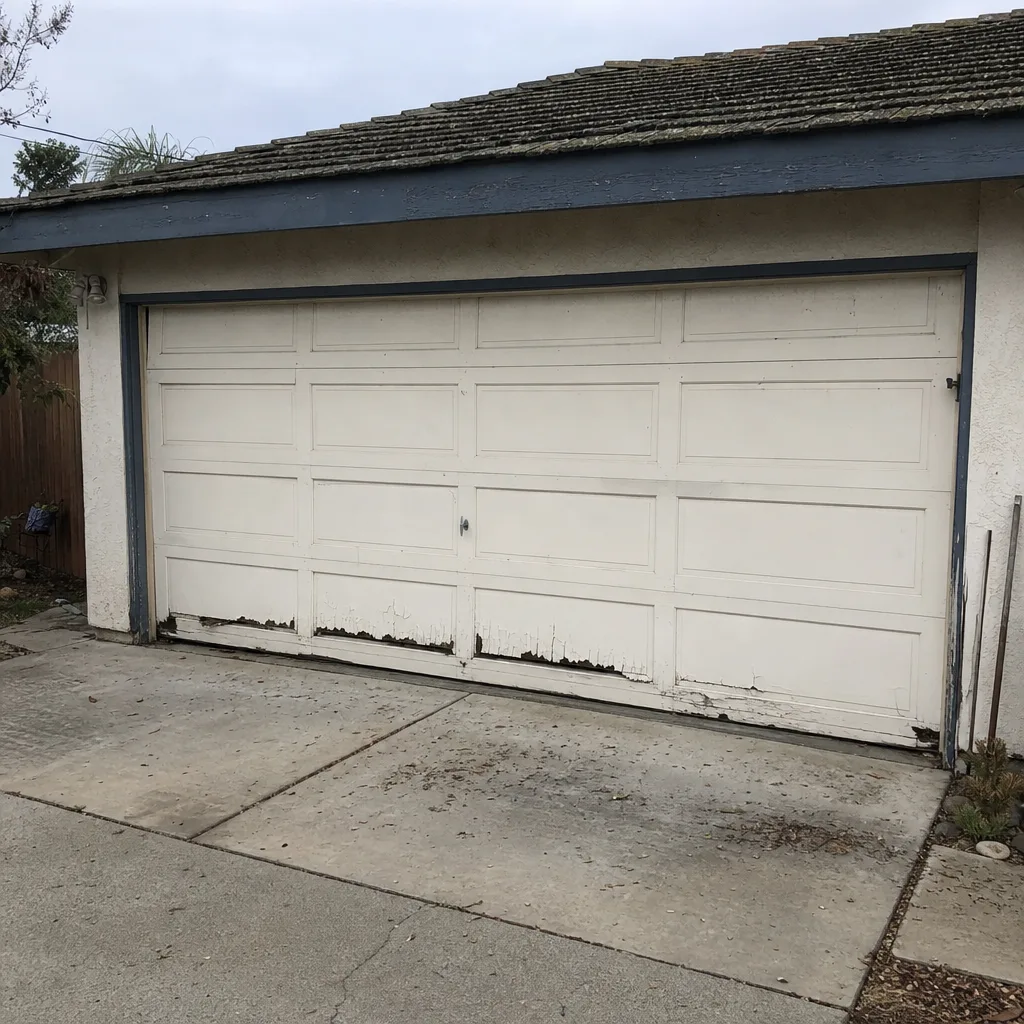 Before
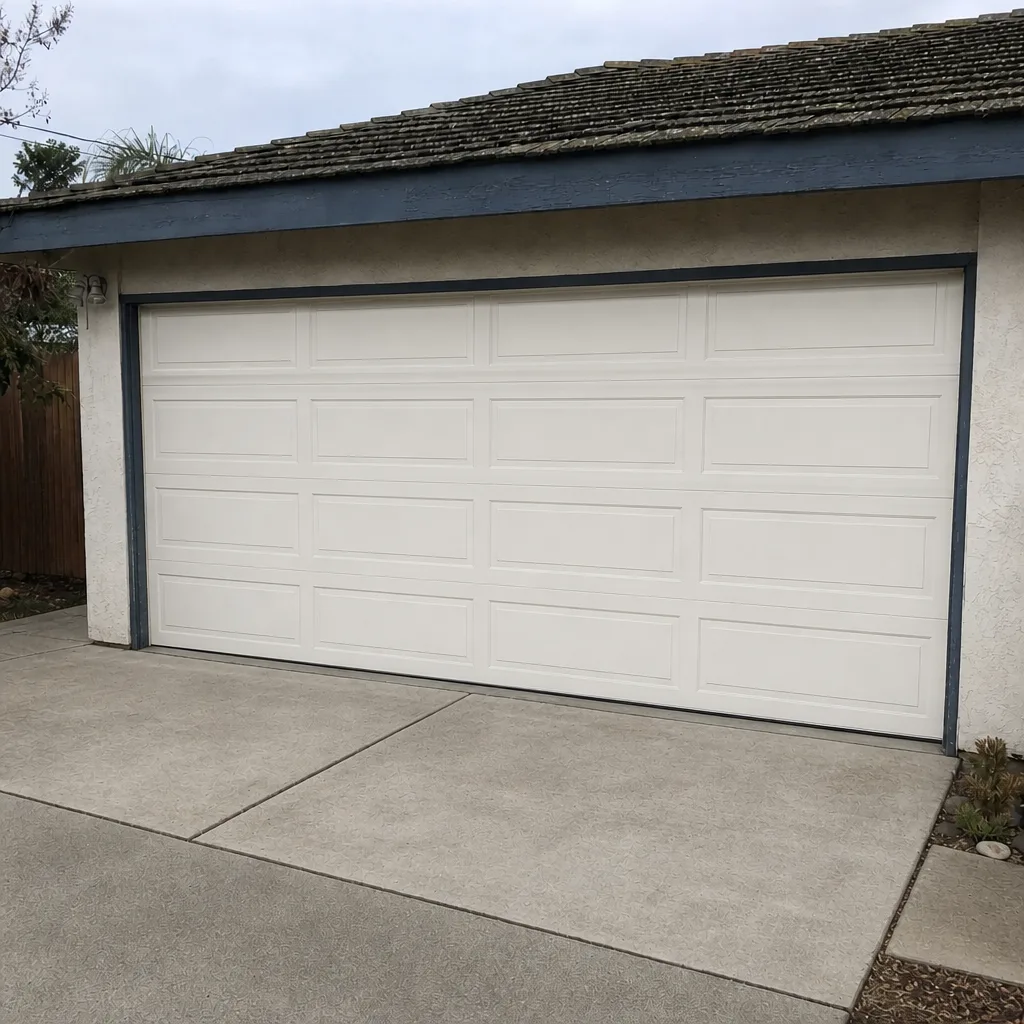 After
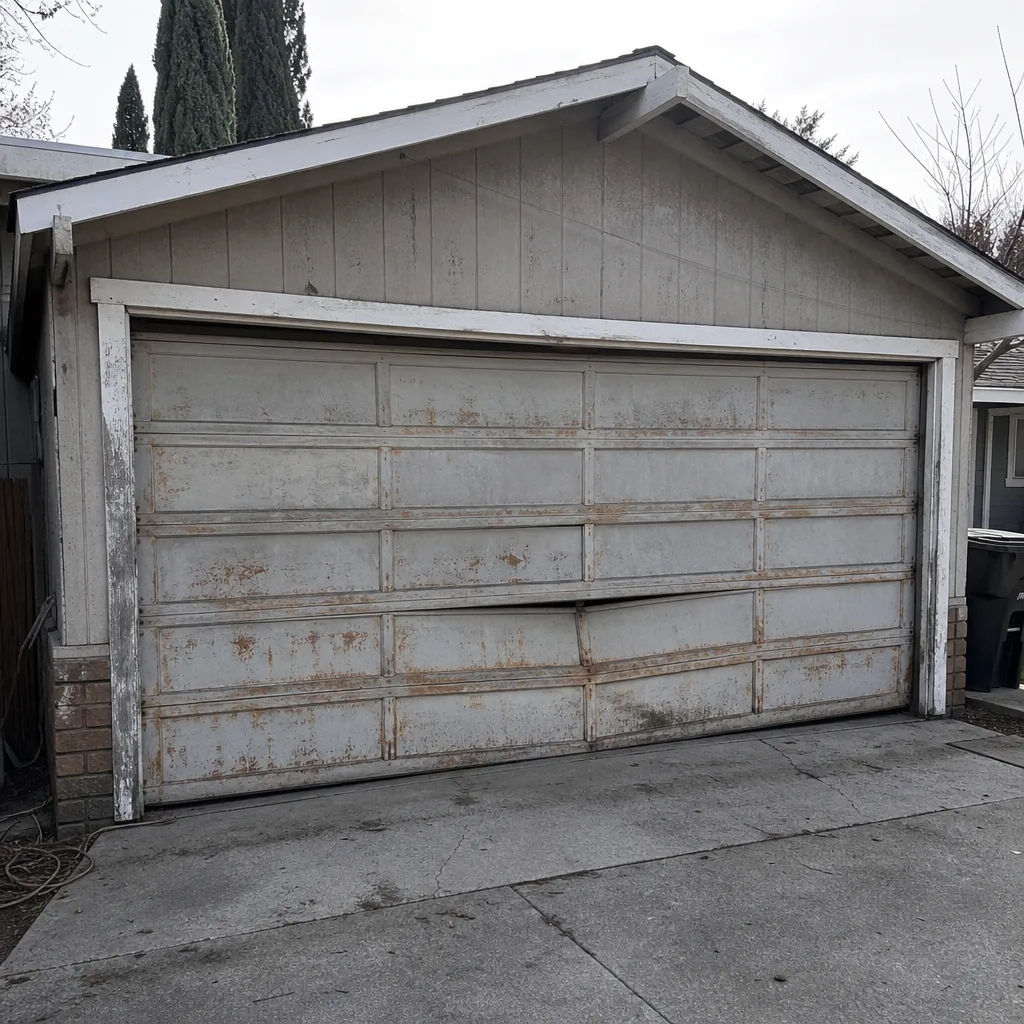 Before
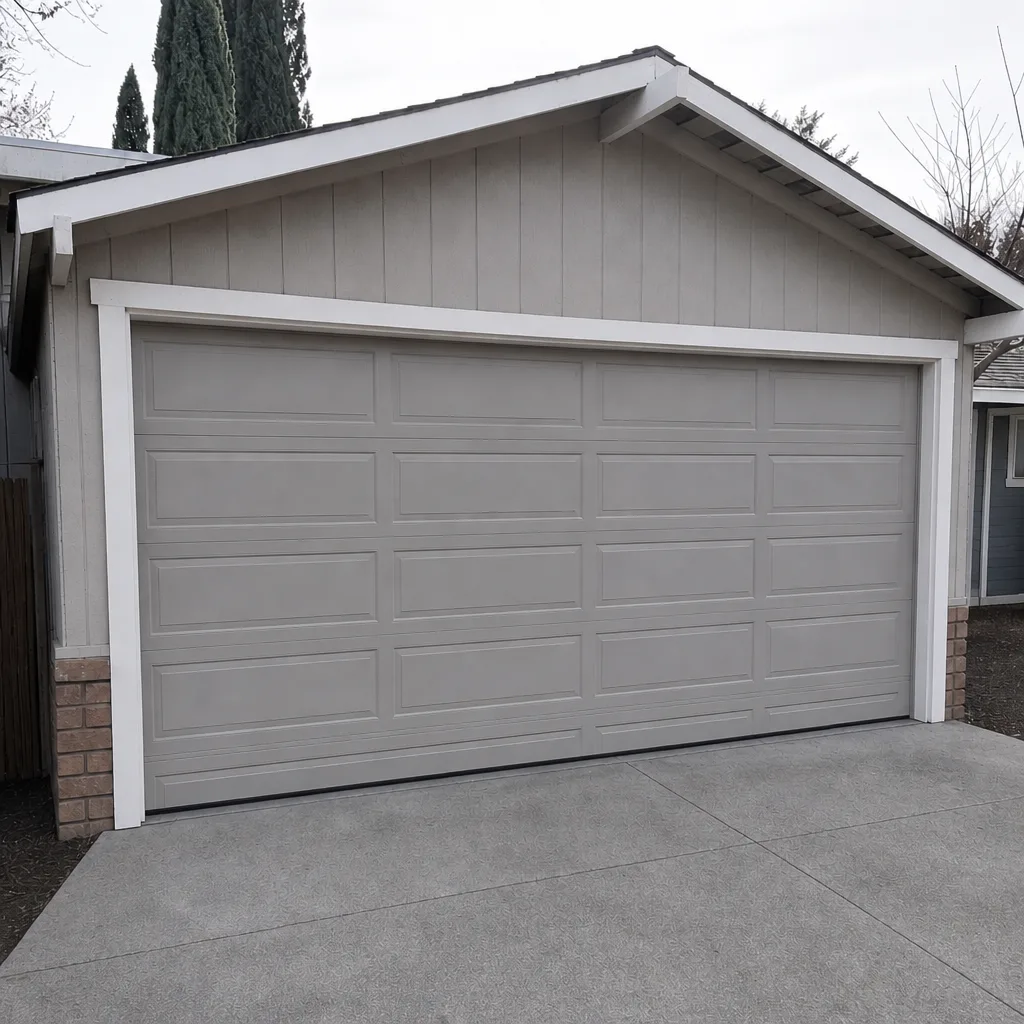 After
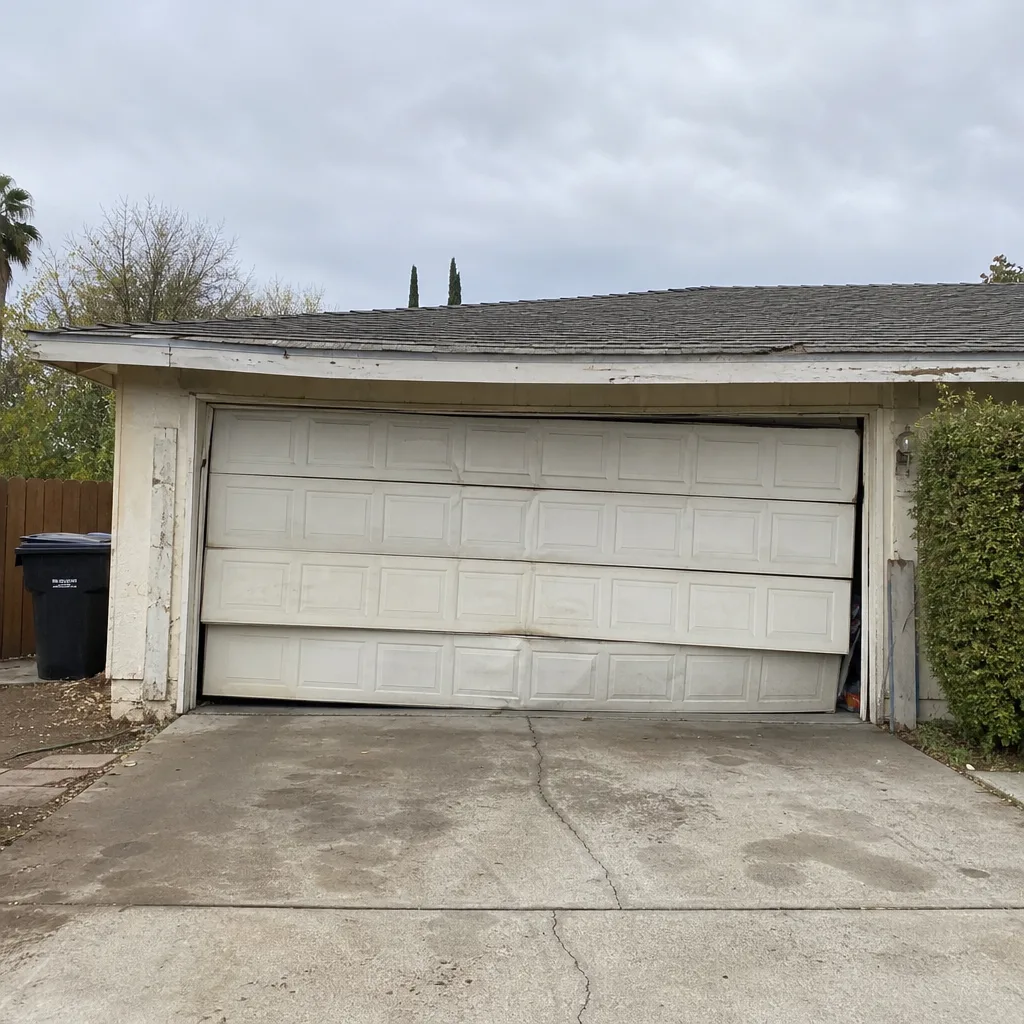 Before
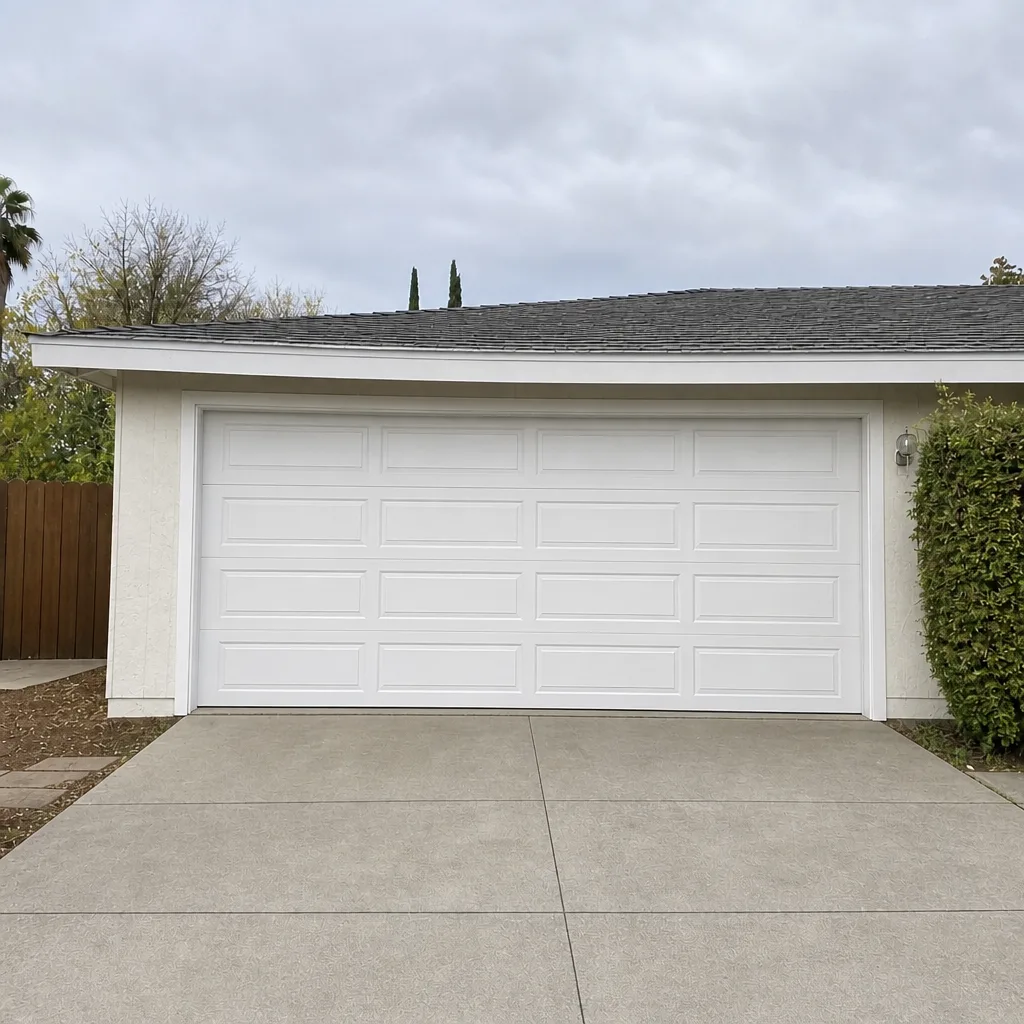 After
When to Call a Professional
Call a specialist for anything touching the springs, cables, torsion system, or opener drive on a suspended door. These are the parts of the assembly where a mistake can seriously injure someone, and the hardware under load – especially on a torsion assembly that has been cycled thousands of times – deserves trained hands. Call us if you’re weighing a full door replacement and want to know what the permit picture looks like before you commit, if you’ve discovered unpermitted door work from a previous owner and need a safety evaluation, or if the inspector flagged corrections on an existing installation and you need them done before re-inspection. We also take the everyday calls – a door that won’t lift, a LiftMaster opener that’s unresponsive, a Genie unit that grinds – because the answer there is usually a repair, not a replacement, and definitely not a permit. Gallant Garage Door Repair offers free estimates in Visalia – call (877) 754-6982. Visalia homeowners can reach us starting here.
Frequently Asked Questions
Yes. A full garage door replacement on an existing opening requires a City of Visalia building permit. The permit confirms the new door meets current code for operation, safety, and energy compliance, and the inspection is where that gets verified. Confirm the specifics with the building department for your address before work begins. Call (877) 754-6982 for a free estimate on the installation itself.
No, replacing a garage door opener does not require a permit in Visalia. The opener is treated as an appliance rather than a structural change, so the work falls under maintenance. Swapping a failed LiftMaster or Genie unit for a new one doesn’t go through the city. Call (877) 754-6982 for a free estimate on the opener replacement.
The inspector may ask for the manufacturer’s product data sheet or door label showing the R-value for the specific insulated model installed. This connects to California Title 24 energy requirements for doors separating conditioned space from an unconditioned garage. Keep the documentation with your permit records. Call (877) 754-6982 and we can talk through what’s specified for your door.
Yes, unpermitted work can surface during the buyer’s inspection, a permit history search, or your seller disclosure obligations, and can complicate escrow or trigger a retroactive permit requirement. The cleanest approach is to pull the permit history before you list and address anything missing in advance. If you need a safety evaluation of the installation, call (877) 754-6982 for a free estimate.
California allows an owner-builder to permit work on their own primary residence, so technically yes. The practical concern is that the torsion spring system is the most dangerous component of the door and requires trained hands to install safely. If a licensed installer pulls the permit under their own license, the correction responsibility sits with them – the cleaner arrangement in most cases. Call (877) 754-6982 for a free estimate.
The inspection itself is usually a short appointment – under an hour for a standard installation. What takes time is getting to the inspection: permit review, installation, and scheduling. In our experience, most replacements move from permit application to finaled inspection in a few weeks. The building department will confirm current review timelines for your address. Call (877) 754-6982 for a free estimate.
The Bottom Line
Repairs are maintenance and don’t need a permit. Replacements do, in Visalia, even on an existing opening, and an insulated replacement may also require Title 24 R-value documentation at inspection. Skipping the permit is a short-term shortcut with long-term exposure – safety, insurance, and resale all trace back to it, and unpermitted work discovered at closing is far more disruptive than paperwork done up front. If you’re planning a door replacement or discovering inherited work, get the permit history from the City of Visalia Building & Safety Division, have the installation evaluated by a garage door specialist, and let a licensed installer pull the permit so the responsibility sits where it belongs. If a repair is the actual answer, we handle garage door opener repair and full system repair without any of that paperwork.
Call Gallant Garage Door Repair at (877) 754-6982 for a free estimate on your Visalia garage door project.
Written by the team at Gallant Garage Door Repair.