
Last updated November 14, 2026
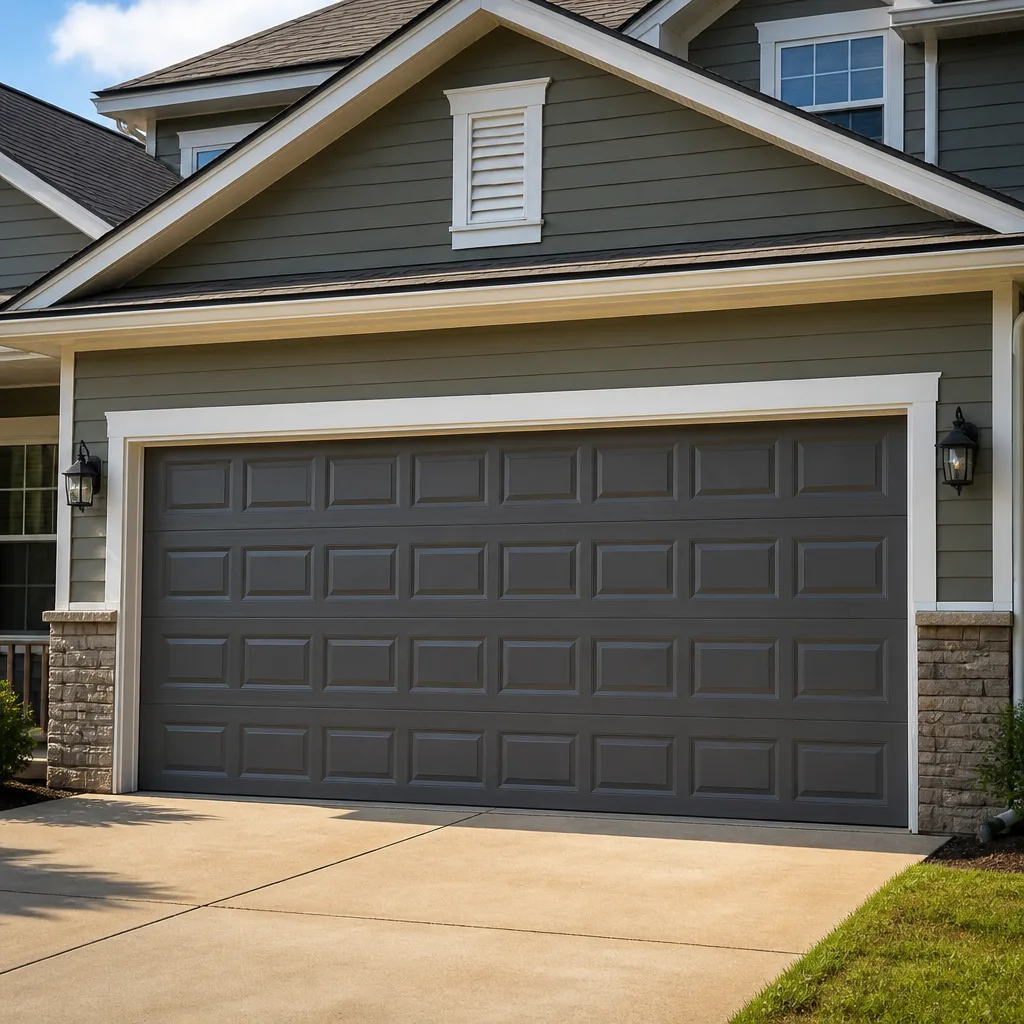 Raised-panel steel
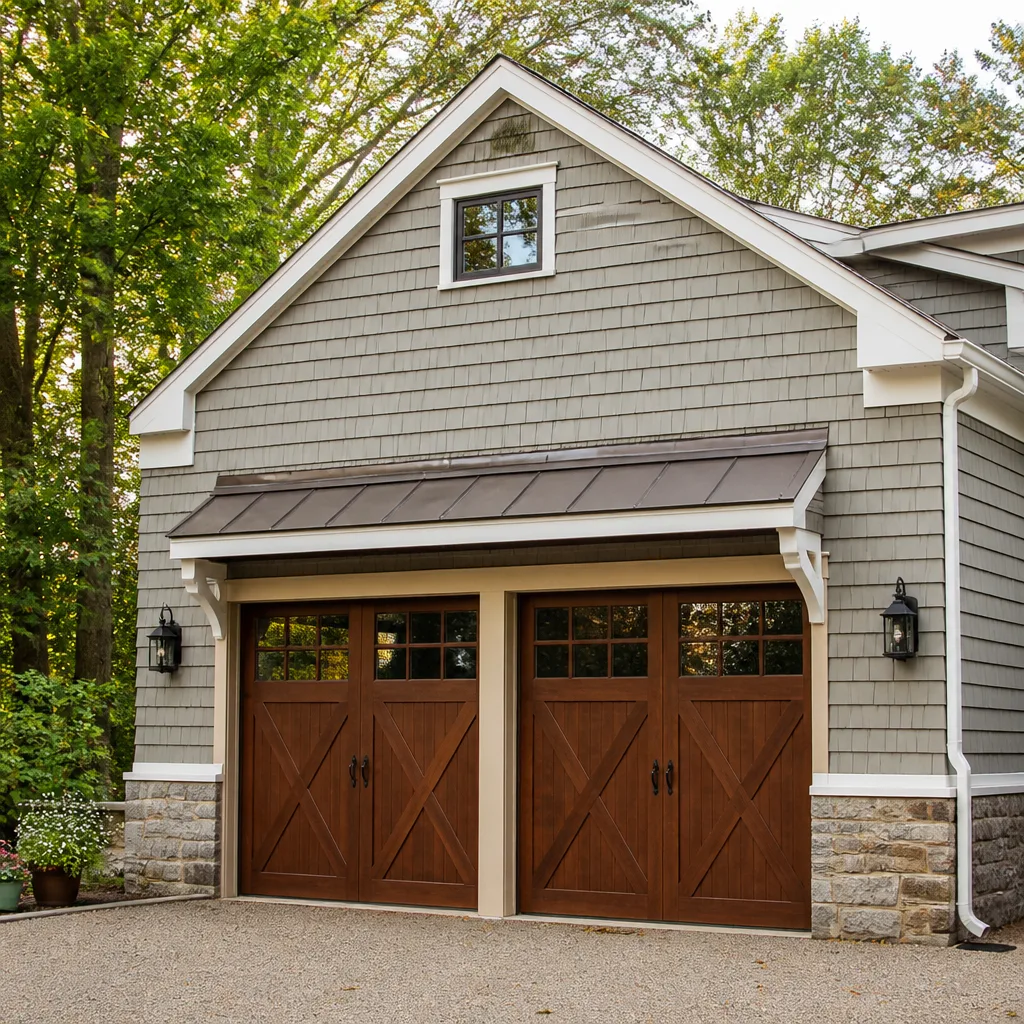 Carriage house
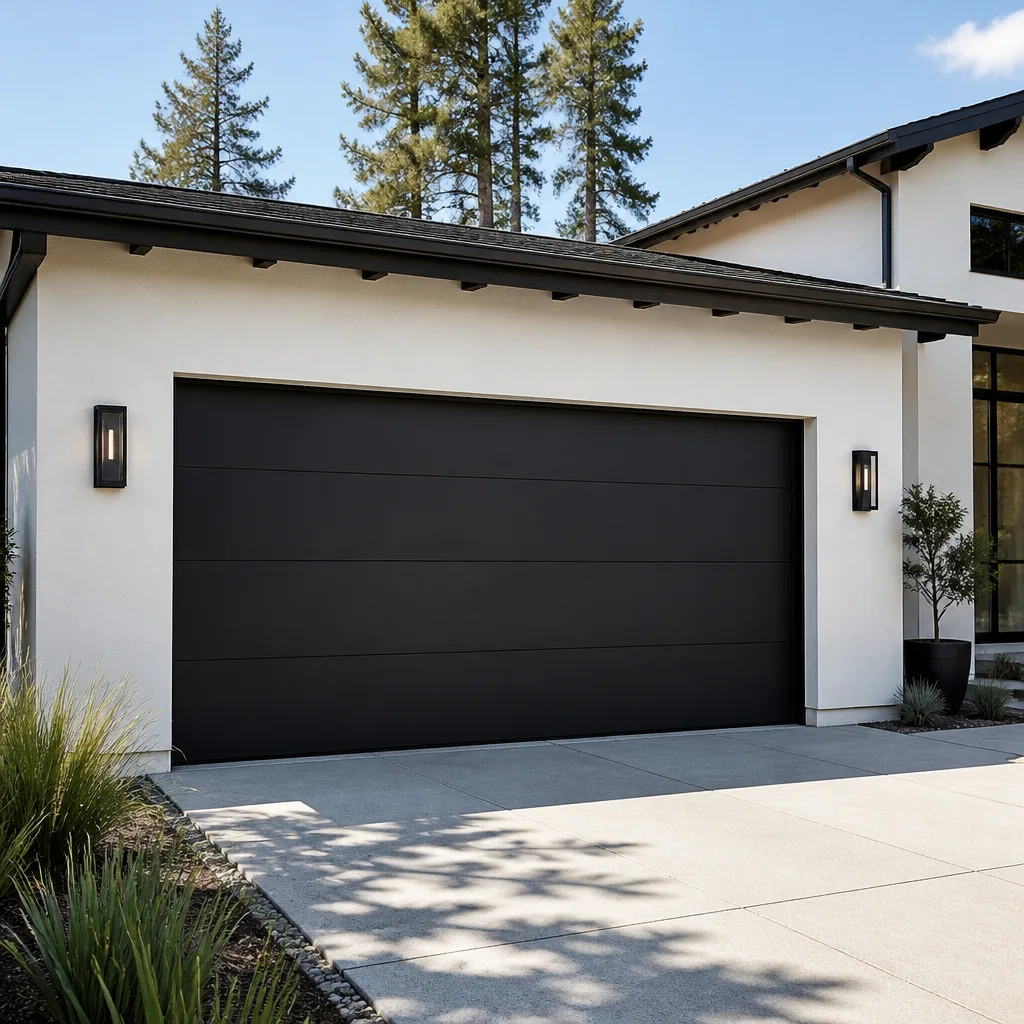 Modern flush
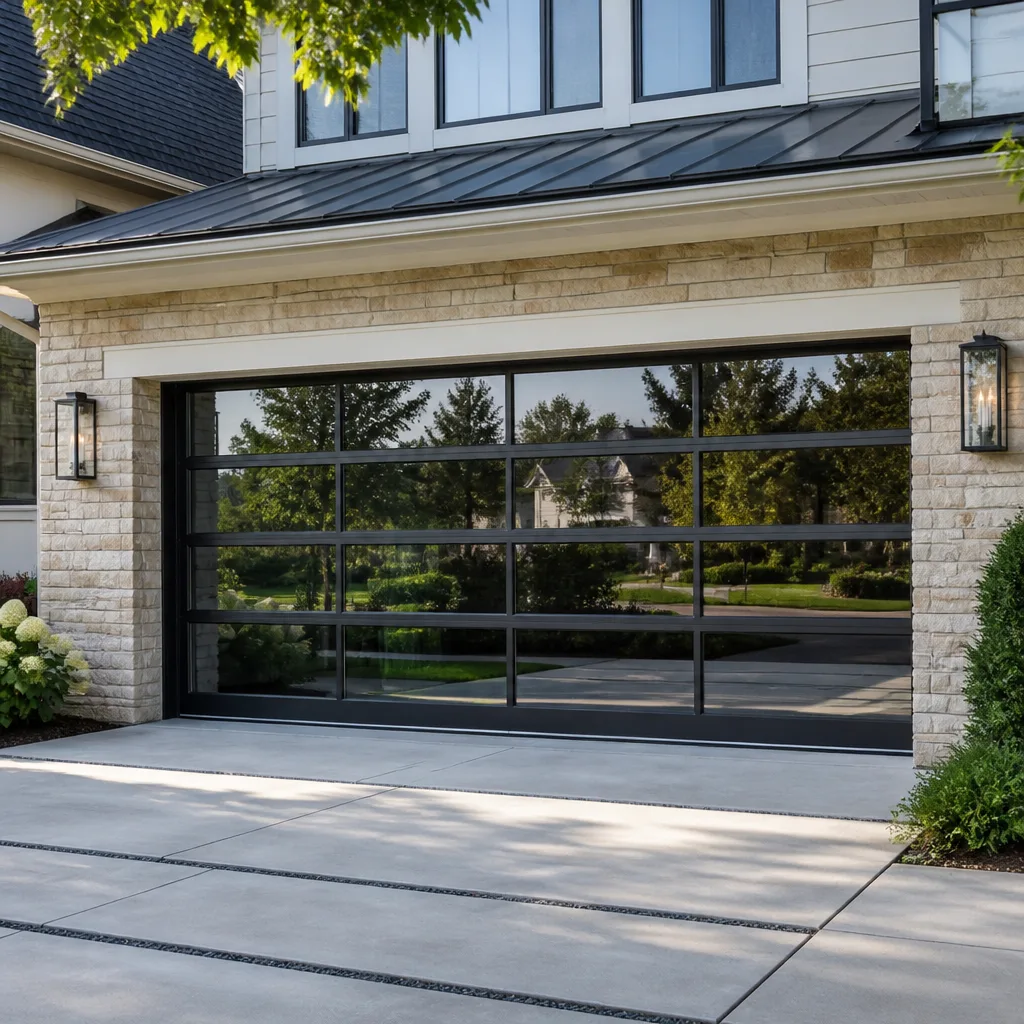 Full-view glass
 LiftMaster openers
 Chamberlain openers
Full 25-point door and opener safety check with every visit - springs, cables, rollers, tracks, and your LiftMaster or Chamberlain opener included
You get a price before we start. It does not change when the pro arrives.
Get your free estimateGarage Door Repair Maintenance Schedule: What to Do and When
Most garage door maintenance guides are built around the calendar. Check the door in spring, lubricate in fall, call it done. But a garage door doesn’t wear out on a schedule the calendar recognizes. It wears out on cycles. The average door opens and closes about 1,500 times a year, yet a busy household with kids, a dog, and two commuters can put that many cycles on the door before summer. A retired couple who leave twice a day might take three years to reach the same number. Same door, same hardware, very different wear. This guide replaces the generic quarterly checklist with a cycle-based framework: how to count your door’s actual use, what to lubricate and what to leave alone, how Visalia’s summer heat changes the picture, and how to keep a maintenance log that tells a clear story about your door’s service history.
Quick Answer
A garage door should be lubed and balance-checked based on how many times it cycles, not by season: light use (under 1,000 cycles a year) needs lubrication once a year and a balance test twice; moderate use (1,000 – 2,500 cycles) needs lubrication twice a year and hardware checks twice; heavy use (over 2,500 cycles) needs lubrication every four months, hardware checks quarterly, and a professional spring inspection once a year. In Visalia, add a post-summer hardware check after the first sustained stretch of triple-digit heat, because heat affects spring tension and dries out lubricant faster than moderate climates do.
Styles & brands we work with
- Raised-panel steel
- Carriage house
- Modern flush
- Full-view glass
- LiftMaster openers
- Chamberlain openers
Table of Contents
- How to Count Your Door’s Cycles and Set Your Own Schedule
- The Lubrication Map: What Goes Where, and What Never Goes on a Spring
- The Twice-a-Year Balance Test and What It Tells You
- Visalia Summer Heat: The Post-Heat-Wave Check
- Hardware Checks by Cycle Tier
- Opener and Drive Maintenance: Belt, Chain, Screw
- Building a Maintenance Log That Actually Gets Used
- When to Stop Maintaining and Start Planning a Replacement
How to Count Your Door’s Cycles and Set Your Own Schedule
Before you can build a schedule, you need your number. A cycle is one full open plus one full close. Most people have no idea how often they use their door, and guessing leads to over-maintaining (wasted afternoons) or under-maintaining (calls to a repair company).
Here’s a method that’s accurate enough to build a schedule around:
- Pick a typical weekday. Count every open-and-close pair for one day: leaving for work, coming home, letting the dog in, taking out the recycling, and so on.
- Multiply by the days you actually drive. Most households drive Sunday through Friday in a pattern that repeats. Multiply by six, not seven, if Saturdays are quiet.
- Add extra cycles for the household. Teen drivers, a home business, a delivery-heavy week, or a household with two cars entering and exiting independently can add 20 – 30%.
- Total it up. A door at 8 cycles a day is roughly 2,500 cycles a year. A door at 3 a day is roughly 940.
That total drives everything else in this guide. Once you have it, you can sort yourself into a tier:
- Light use (under 1,000 cycles/year): Lubricate once a year. Balance-check twice a year. Professional spring inspection every two years.
- Moderate use (1,000 – 2,500 cycles/year): Lubricate twice a year. Hardware check and balance test twice a year. Professional spring inspection once a year.
- Heavy use (over 2,500 cycles/year): Lubricate every four months. Hardware check quarterly. Balance test twice a year. Professional spring inspection once a year.
Most households in Visalia with two working adults and school-age kids land in the moderate tier. If you know a technician through Gallant Garage Door Repair, we can tell you in one visit whether your spring and rollers are aging faster than the calendar suggests. But you don’t need a technician to count cycles. A pad of paper and five minutes will do it.
The Lubrication Map: What Goes Where, and What Never Goes on a Spring
This is where most schedules fall apart. People know they should lubricate the door, so they spray the entire track and springs with whatever is in the shed. That’s the wrong move, and it makes the door noisier and shortens the life of key parts.
The right rule of thumb: lubricant goes where metal rubs against metal under load, and in specific spots only.
Where lubricant goes
- Hinges (each pivot point): a small dab of a lithium-based or silicone spray. Wipe off any excess so dust doesn’t stick to it.
- Roller stems and bearings: a few drops of a garage door lubricant or a silicone spray on the axle, not the roller surface. If you have nylon rollers, use silicone only.
- Torsion spring coils: a light coat of silicone spray, applied lightly across the length. The purpose is to reduce friction between coils that slide against one another under load. It is not to make the spring shiny.
- The opener’s drive rail (chain or screw, depending on opener): the manufacturer’s specified lubricant. A LiftMaster or Chamberlain rail on a belt drive usually needs no lubricant at all. A chain-drive Genie or Craftsman rail does, but only what the manufacturer recommends.
- Track ends and bearings at the wall plate: a light touch, not a drenching.
Where lubricant must NOT go, and why
- Never grease or heavy-oil a torsion spring. Heavy lubricant catches dust and yard grit, which turns into a paste that accelerates wear. Silicone only, applied sparingly.
- Never spray the track surface itself. The door’s rollers are meant to ride the track clean. Greased track surfaces cause rollers to slide instead of roll and can stick in cold weather.
- Never put WD-40 (the classic displacement spray, not the silicone version) on the spring, hinges, or tracks. It’s a cleaner and water displacer, not a lubricant. It can strip away factory lubricant on some openers and leaves a sticky residue that traps dust.
- Never put grease on a nylon roller. Nylon is designed to run dry on the axle. Grease causes the nylon to attract grit and wear unevenly. Silicone spray on the axle only.
- Never lubricate the photo-eye lenses or the wall control pad wiring. Obvious, but people do it.
If you’re in Visalia, dust is a real factor. A light silicone spray, applied twice a year and wiped clean before the next application, will hold up better than a heavy grease that turns into a grit trap by June. On a Clopay or Amarr door, the panel finish wants a damp cloth and mild soap once a year, not a petroleum product. Same for Wayne Dalton. Panel finish care and hardware lubrication are separate jobs, done separately.
A note on safety: torsion springs are under extremely high tension at all times and store enough energy to cause serious injury if you try to work on them. Lubricant application is something you can do from the outside of the coil without touching the spring. Anything beyond that, including adjusting the spring, its winding cone, or its set screws, should be done by a trained technician. That’s the line every responsible door specialist draws.
The Twice-a-Year Balance Test and What It Tells You
A balance test is the single most useful diagnostic a homeowner can run without tools or training, and almost nobody does it. It takes about 30 seconds and tells you more about your springs than any other check.
Here’s how to run it:
- Disconnect the opener. Pull the emergency release cord (it’s usually red) so the opener no longer controls the door. The door should now move freely by hand.
- Move the door by hand to roughly halfway open (about waist height). Stop it there. Release it gently.
- Watch what happens. A balanced door stays where you leave it, maybe drifting an inch or two either way. If it slams down, the springs are weak. If it drifts up hard on its own, the springs are over-tensioned or a spring has failed.
- Reconnect the opener and test the opener’s auto-reverse per the manufacturer’s instructions.
What the result means:
- Stays put within a few inches: Springs are healthy. Continue the schedule.
- Falls more than a few inches, but slowly: Springs are showing their age. Have them inspected by a technician before the next winter.
- Falls fast and hard: One spring has likely broken or come loose. Stop using the door and get it looked at before continuing.
- Rises on its own: Spring tension is off, or one of a pair has failed. Either way, the door is no longer balanced, and the opener is compensating for it. That’s the leading cause of opener failure.
For a heavy-use household in Visalia, run the balance test twice a year. For a light-use household, once is usually enough, but twice costs almost nothing. We’ve seen doors where the balance test caught a failing spring weeks before anything else would have shown it. That’s the kind of thing that turns a small repair into a planned one instead of an emergency at 7am on a Sunday.
Visalia Summer Heat: The Post-Heat-Wave Check
Visalia summers bring stretches of triple-digit heat, and the garage is where that heat concentrates. A garage that isn’t air conditioned can see inside temperatures spike well above the outside number, and the heat stresses the door’s hardware in specific, predictable ways. Unlike cold climates, where the main worry is frozen hardware and brittle metal, our challenge is the opposite: heat cycles that expand and contract the metal, dry out lubricant, and shift spring tension over a long summer.
Here’s what to check after the first sustained heat wave of the year, and again in late summer:
- Spring tension and feel. Run the balance test the week after the first triple-digit stretch. Heat can change the way the spring feels within the length of a summer. If the door moves noticeably easier or harder than it did in spring, note it in your log.
- Lubricant condition. Silicone spray that looked fine in April can look dry and chalky by July. Wipe and reapply on hinges, roller stems, and the spring. Don’t wait for the noise to start.
- Panel alignment. Heat expansion can make a panel that was straight in spring appear to drift out of alignment by late summer. Look for gaps at the panel seams from inside and outside the door.
- Weather seal condition. The bottom seal and side seals take the most sun. A sealed edge keeps dust out and helps the door close evenly. Replace seals that have gone hard or cracked.
- Opener drive chain tension. Heat-expanded metal can make a chain look slightly loose in summer and tight in winter. Check it once after the first heat wave against the manufacturer’s recommended deflection.
- Track alignment. Heat can cause the vertical and horizontal track brackets to shift slightly. The door should travel smoothly without any binding or scraping at the curved portion of the track.
Dust is the other Visalia factor. Summer dust settles on rods, hinges, and rollers, and it sticks to any lubricant that’s too heavy. If you’ve been using grease on any part of the door, replace it with a lighter silicone spray before summer. If you’re not sure what’s on there, wipe the surface clean and start fresh. A Clopay or Amarr door panel doesn’t mind the heat, but the moving parts underneath benefit from a mid-summer inspection.
For a light-use household, the post-heat-wave check might take 15 minutes. For heavy use, budget 30. It’s the single easiest thing you can do to prevent a call to garage door repair in the fall, and it costs nothing but a little time.
Hardware Checks by Cycle Tier
Beyond lubrication and balance, the door’s hardware needs a periodic visual inspection. What changes with your cycle tier is how often you do it and how strict you are with findings.
Light use: twice a year
- Check every hinge for loose screws. Tighten any that move by hand, but don’t overtighten.
- Pull each roller stem out slightly and check for wobble. Worn stems are a leading cause of noisy operation.
- Look for cracked or missing rollers. Nylon rollers will wear at the stem first, not the wheel.
- Check all end hinges and center hinges for wear patterns. Visible wear at one hinge usually means misalignment.
- Inspect the door panel edges for rust or bubbling, especially on a Wayne Dalton or similar steel door.
Moderate use: twice a year, plus a deeper check once
- Same items as light use, plus:
- Check the cables for fraying (look at the cable near the drum and near the bottom bracket). Fraying cables should be replaced, not repaired. This is a technician job.
- Inspect the drum for binding. With the door closed and opener disconnected, the drum should turn freely by hand.
- Check the lag bolts that anchor the torsion bar to the wall. Any that move indicate a problem.
Heavy use: quarterly
- All of the above, plus:
- Check hinge wear at every hinge, not just the ones showing problems.
- Check the bottom bracket (the plate that holds the cable at the bottom of the door) for cracking.
- Inspect the opener’s wall control and safety sensors for proper operation. Test the auto-reverse with a firm hand on the closing door edge.
- Once a year, have a technician verify spring tension and inspect the spring coils for rust or separation. Springs are under high tension and are not a DIY inspection item beyond a visual check.
On a garage door opener repair call, we generally find that heavy-use doors show hinge wear 6 – 12 months earlier than light-use doors, and opener drive belts or chains need lubrication or replacement on the heavy-use schedule, not the manufacturer’s average. If a Genie or Craftsman opener is on a heavy-use door, the drive assembly often needs attention long before the printed interval suggests.
Opener and Drive Maintenance: Belt, Chain, Screw
The opener is a separate system from the door, and it ages on a different curve. A door that runs clean puts less strain on the opener. A door with a slow spring and a dragging roller load will burn through a LiftMaster or Chamberlain drive faster than one that runs smoothly.
Belt drive (most common in newer doors)
- Belts generally need no lubrication. A noisy belt is usually a sign of a worn drive gear or a misaligned rail.
- Check the rail for straightness once a year. A bent rail causes uneven belt wear.
- Check the opener unit itself for loose mounting. Vibration from a loose mount accelerates wear on the drive assembly.
Chain drive (common on many LiftMaster and Genie models)
- Check chain tension against the manufacturer’s spec twice a year. Too tight causes motor strain; too loose causes slack and noise.
- Lubricate the chain per the manufacturer’s recommendations, not with a general-purpose oil.
Screw drive (common on Genie models)
- Lubricate the screw mechanism per the manufacturer. Do not let it run dry.
- Check for excessive noise during travel. Grinding on a screw drive often means the drive nut is worn and needs replacement.
Safety features (all drives)
- Test the auto-reverse once a month with a firm hand or a 2×4 laid flat in the door’s path. The door should reverse immediately on contact.
- Test the safety sensors (photo eyes) monthly with a hand or foot between them while the door is closing.
- Confirm the wall control is reachable and clearly labeled. In a Visalia household with kids, the wall control should be at adult height, above a child’s reach.
If the opener is a LiftMaster with Wi-Fi, check the app connection once a quarter and confirm the safety alerts are working. Smart openers are great as long as they’re reporting the truth. An opener on a heavy-use door should be checked more often, because the motor and drive wear faster with more cycles. If the door’s balance is off, the opener compensates for the imbalance on every cycle, and that’s the leading cause of premature opener failure.
Building a Maintenance Log That Actually Gets Used
Most maintenance logs fail because they’re too complicated. A full-service history doesn’t need a spreadsheet with 30 columns. It needs four facts, written in a notebook that stays in the garage.
What to record
- Cycle tier and total. Note your tier (light, moderate, heavy) and your estimated cycles per year. Update if your household changes.
- Every lubrication date and what went where. A single line: “June 2026 – silicone on hinges, roller stems, spring coils.”
- Every balance test result. “April 2026 – balanced, stayed put. September 2026 – drifted down 3 inches on one side.”
- Every repair or professional visit. What was done, when, and what the result was. “March 2026 – technician adjusted chain tension. No further issues.”
Why it matters
If you sell a Visalia home, a maintenance log is the kind of documentation a buyer appreciates. It tells them the door is a Clopay that’s been cared for, not a door nobody ever opened the manual for. If you call a technician, the log tells them immediately whether the current noise is a new problem or a known issue that’s been developing. And if a part fails, the log tells you what was last done so the technician can target the inspection.
A simple three-ring binder by the garage door works better than an app you never open. Write in pencil if you’re not sure. A log you actually keep is worth more than a perfect one you abandon.
When to Stop Maintaining and Start Planning a Replacement
Some doors reach a point where the maintenance schedule stops returning value. There’s no magic year, but a few patterns tell you it’s time to plan for a replacement rather than continue patching.
- Repeated spring failures. If the same spring keeps breaking well ahead of its cycle life, the door may be out of balance, the spring may have been the wrong rating for the door’s weight, or the door’s weight has changed. Those are diagnosis problems, not maintenance problems.
- Panel damage plus hardware wear. A door with two damaged panels and a box full of small hardware repairs is a door where replacement, not repair, is the better dollar. On a Clopay or Amarr steel door, panel replacement is possible, but on an older door the panel colors and profiles may no longer be available.
- Opener at end of life plus door wear. If both the opener and the door’s hardware are aging, replacing the door and opener together is usually the more sensible plan. You can find more detail in the Visalia-specific guide for Visalia if you’re actively planning an upgrade.
- Rust or structural damage at multiple points. One rust spot is repairable. Rust at several hinges, the bottom bracket, and multiple panel edges means the door’s life is short.
If you’re on the fence, a free estimate will usually settle it. We’ll look at the springs, hardware, opener, and panels, and give you a straight recommendation. Sometimes a $200 – $400 repair buys three more years. Sometimes it doesn’t. In our experience, homeowners appreciate the honest answer more than the sales pitch.
Common Mistakes to Avoid
- Following a calendar instead of your cycles. The April/October routine works for a light-use door. If your family runs 8 cycles a day, that schedule under-maintains your hardware by a wide margin. Count your cycles first, then set the schedule.
- Greasing the tracks. The most common lubrication mistake. The track should be dry and clean. Grease on the track causes rollers to slide, which wears them out faster and creates noise. Wipe the track with a dry cloth, not a greasy one.
- Putting heavy oil on the torsion spring. Heavy lubricant traps dust, and Visalia dust turns it into a grinding paste. Silicone spray only, and applied lightly.
- Ignoring the balance test after a heat wave. A door that ran perfectly in April can show weak tension by August. A 30-second test the week after the first triple-digit stretch catches problems early.
- Tightening every hinge screw without checking for misalignment. Loose hinge screws are usually a symptom of a door that’s out of alignment, not the cause. If the same hinge keeps coming loose, get it diagnosed, not re-tightened.
- Replacing the opener when the door is the problem. A door that closes unevenly, a door that binds, and an opener that strains are usually door problems wearing on the opener. Fix the door first, and the opener often lasts years longer.
- Skipping the log. Without a log, every technician visit starts from zero, and you lose the ability to tell a new problem from an old one. A pencil and a notebook by the garage door changes the picture entirely.
See the difference
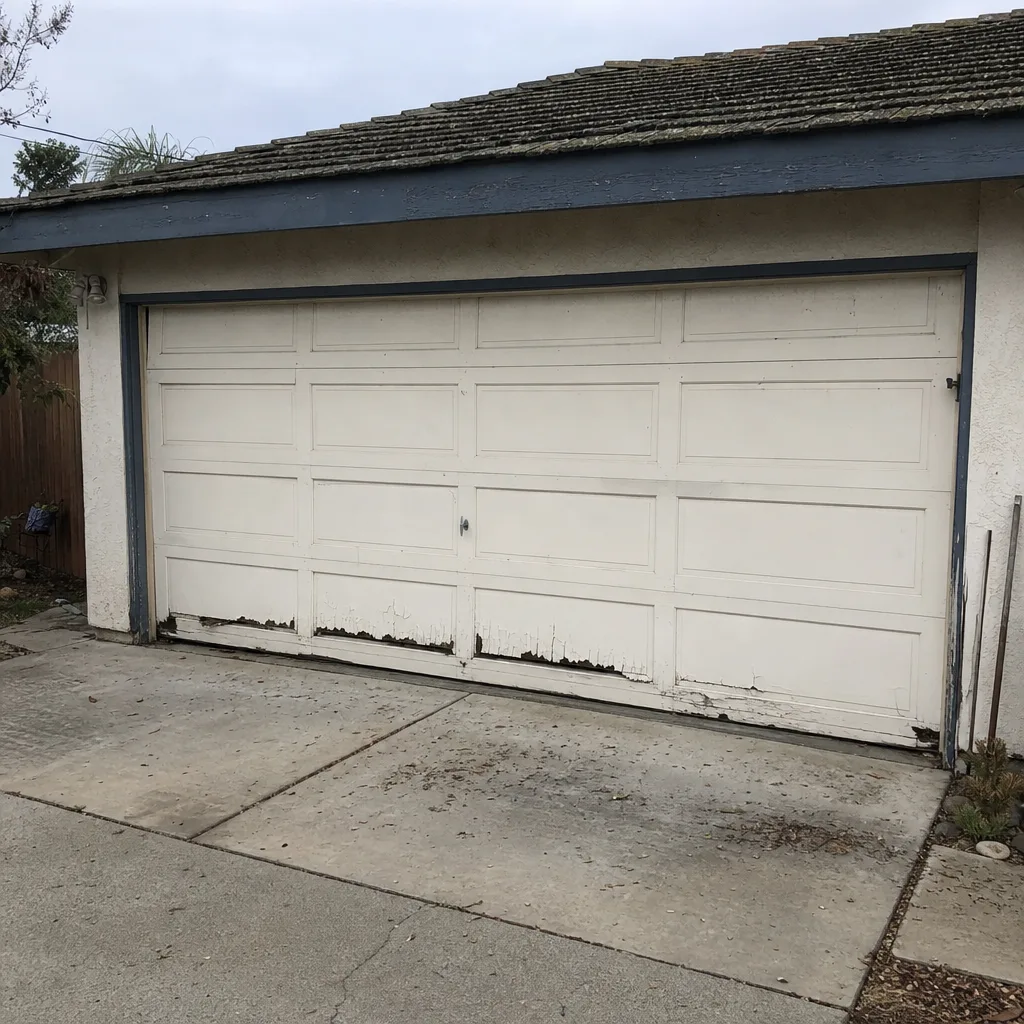 Before
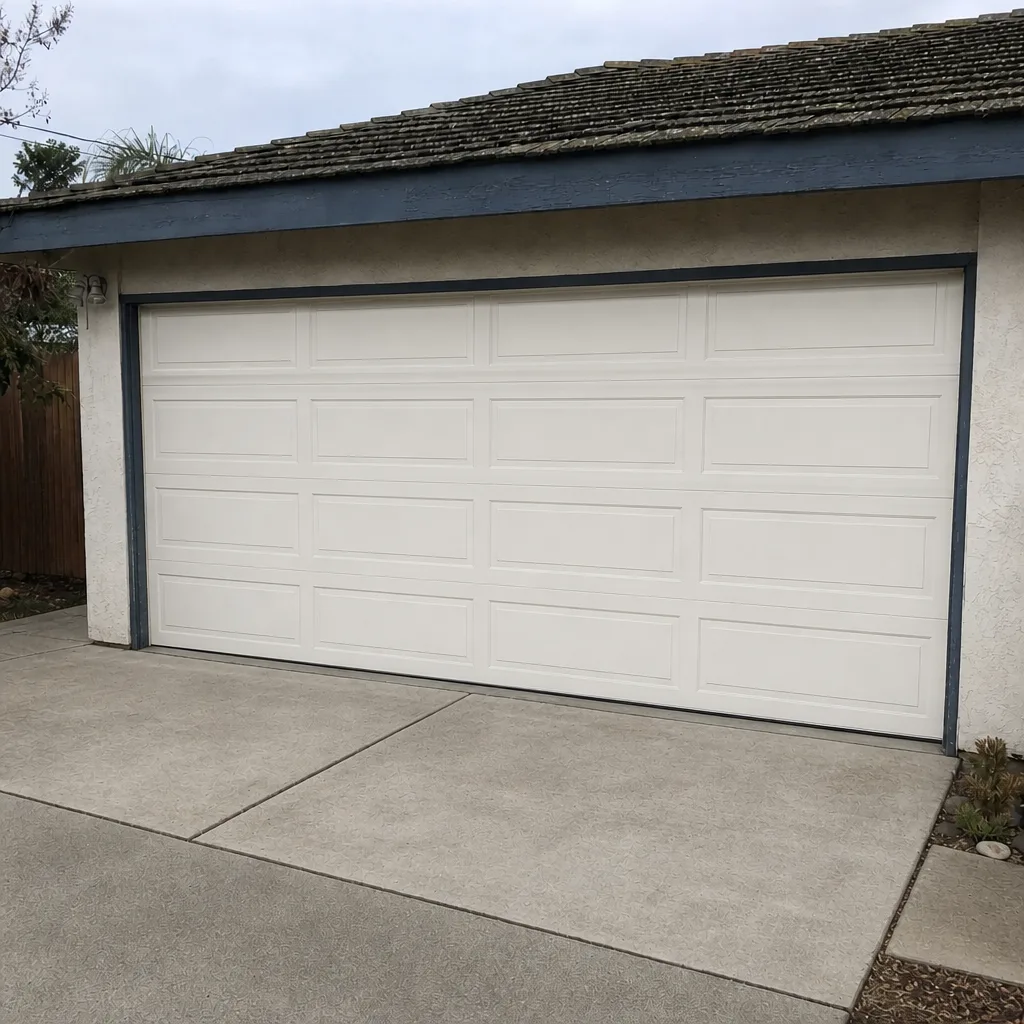 After
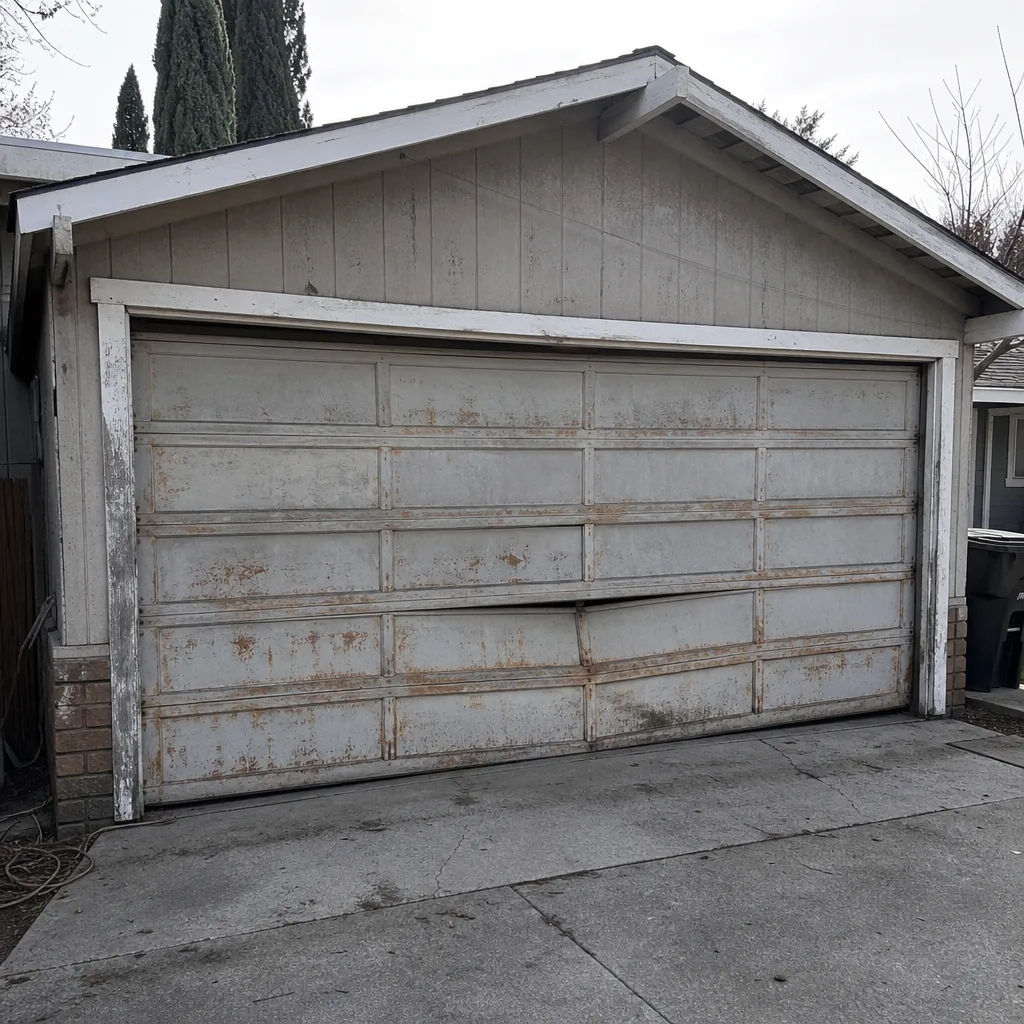 Before
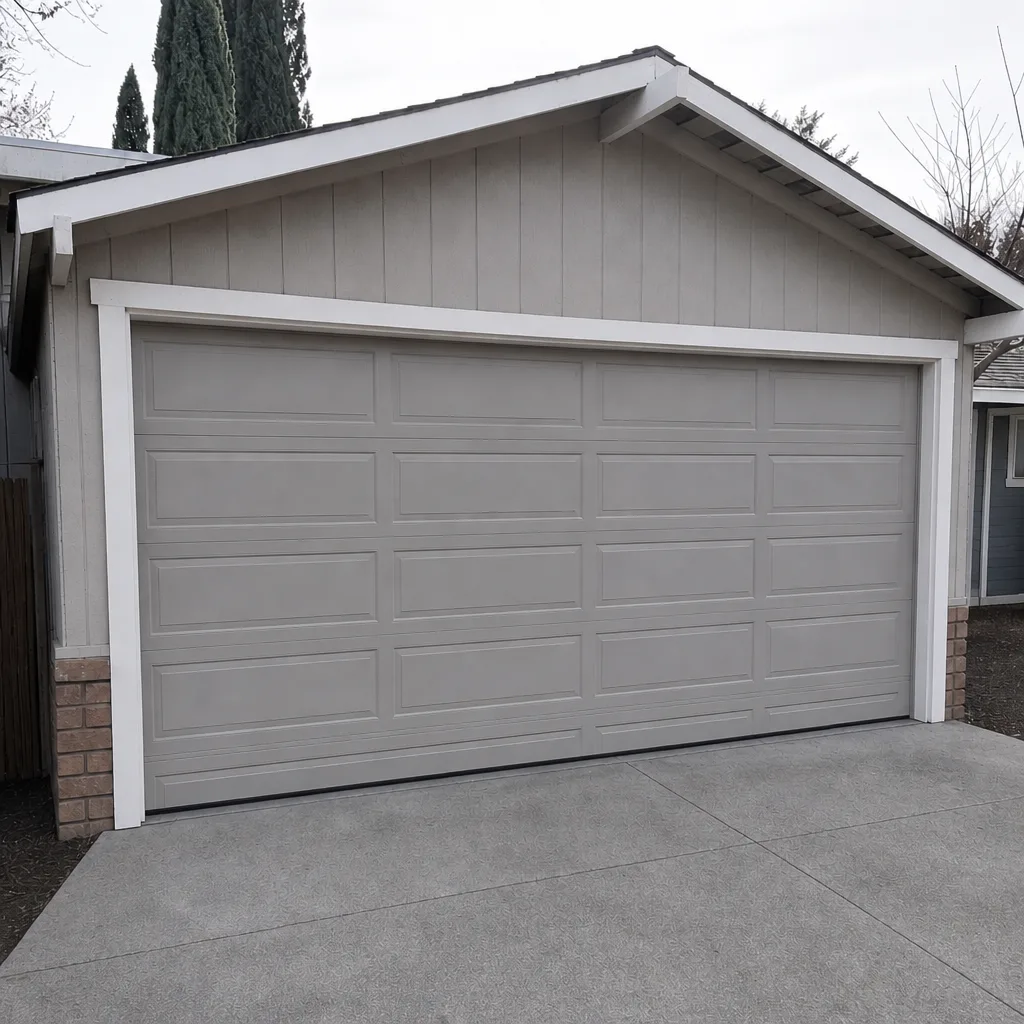 After
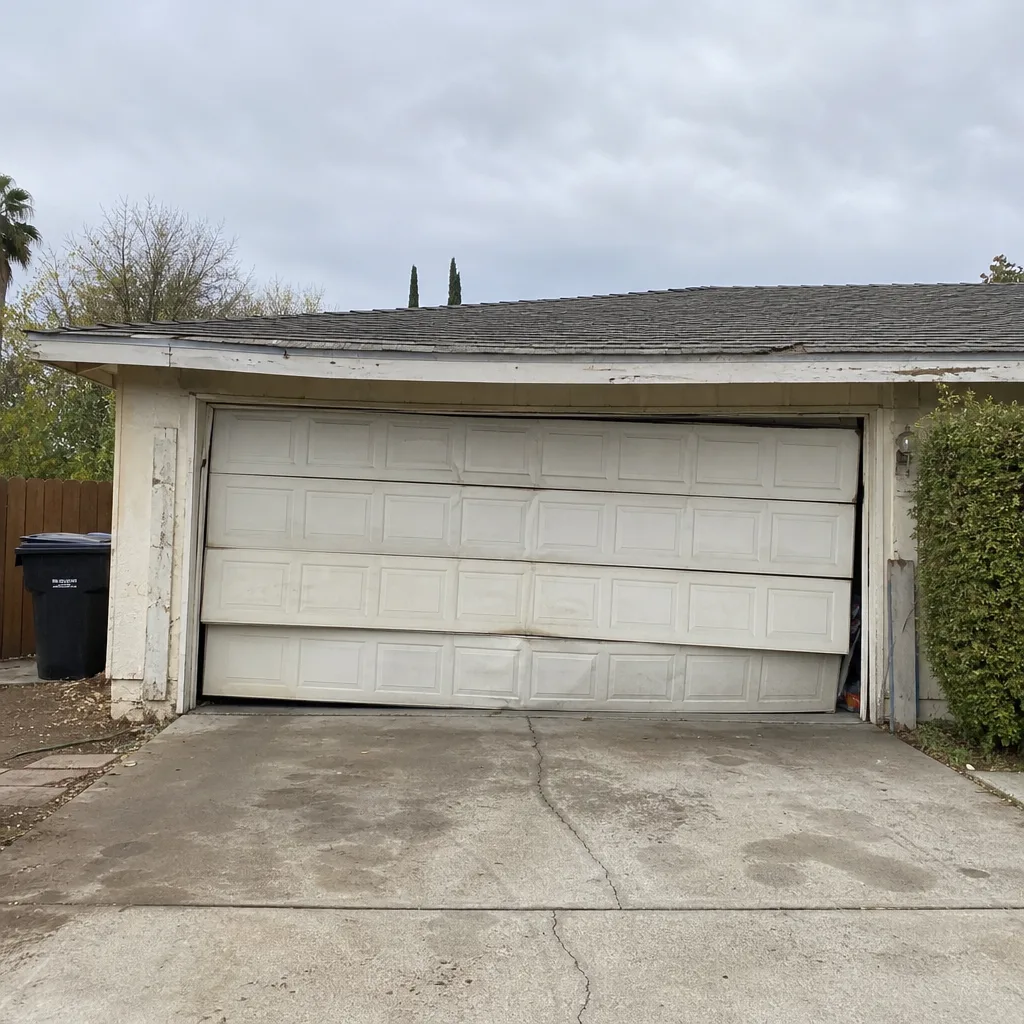 Before
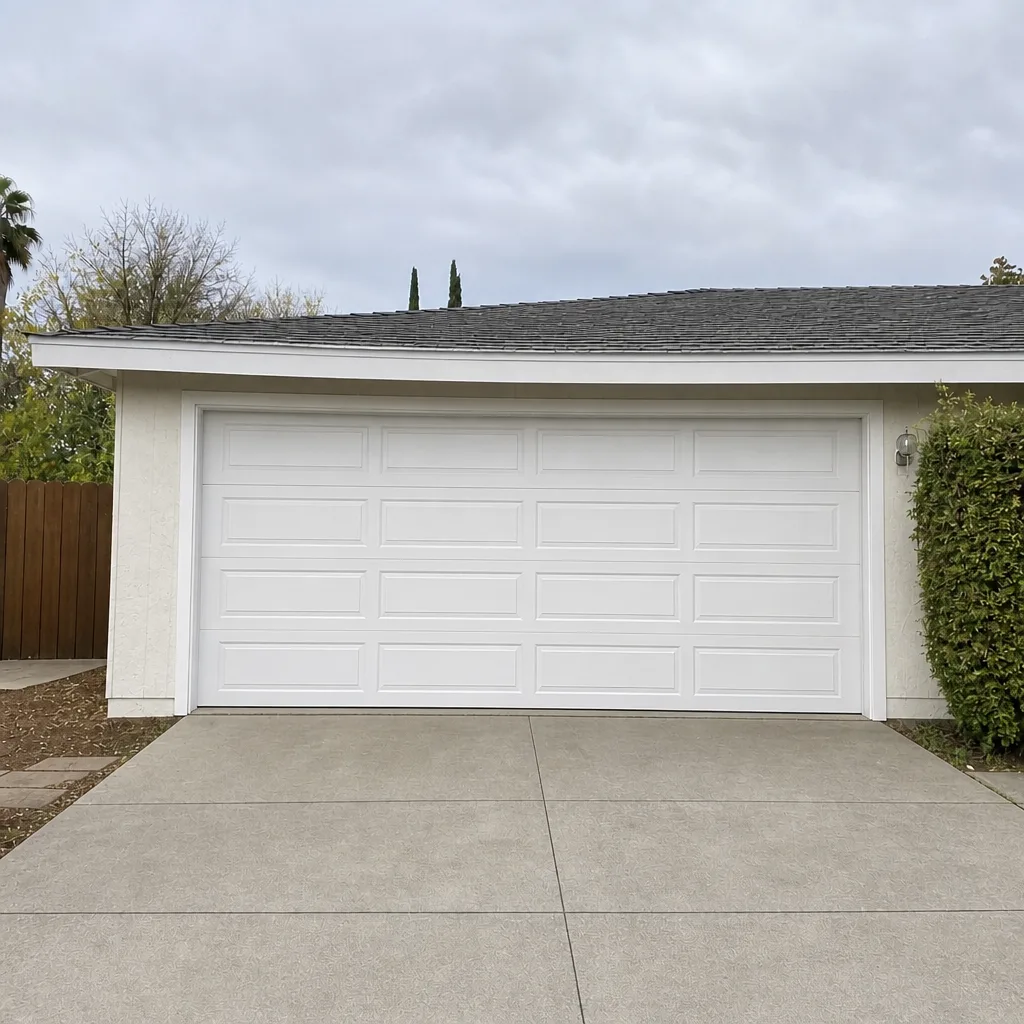 After
When to Call a Professional
Some checks are homeowner checks. Some are technician checks. The line matters, especially on anything spring-related, because torsion springs are under extreme tension and can cause serious injury if handled wrong. Call a professional when:
- A balance test shows the door slams down or rises hard on its own.
- You hear a loud bang from the garage and the door won’t open, or opens very slightly before stopping.
- You see a visible gap or kink in a torsion spring, or the spring is clearly separated.
- The cables show any fraying, kinking, or looseness.
- The bottom bracket is cracked or distorted.
- The opener’s drive is grinding, or the opener strains to move the door.
- The door has been hit or has visible panel damage that affects operation.
Gallant Garage Door Repair offers free estimates in Visalia. We work on the door and the opener, and we’re brand-familiar with the equipment we’re likely to meet. Call (877) 754-6982. We answer 24/7. Fast dispatch from 7am to 7pm, Sunday through Friday.
Frequently Asked Questions
Lubricate based on cycles, not the calendar: once a year for light use (under 1,000 cycles annually), twice a year for moderate use (1,000 – 2,500), and every four months for heavy use (over 2,500). Use a silicone spray on hinges, roller stems, and the spring, and use only what the manufacturer recommends on the opener drive. Call (877) 754-6982 for an exact quote if you’d rather have a technician do the full service.
The balance test is a 30-second check where you disconnect the opener, raise the door halfway by hand, and see if it stays put. Run it twice a year on a moderate- or heavy-use door, once a year on light use, and again after the first triple-digit heat wave in Visalia. If the door stays within a few inches, the springs are healthy. If it falls fast or rises on its own, call a technician before using the door again.
Yes, at least visually. Visalia’s triple-digit summers dry out lubricant, expand and contract the metal, and can shift spring tension over the season. A visible inspection for separation or rust plus a balance test the week after the first sustained heat wave catches most problems early. Call (877) 754-6982 if the balance test shows any failure, and we’ll schedule an inspection. Estimates are free.
You can apply a light coat of silicone spray to the outside of the coil from a safe distance, with the door closed and the opener disconnected. That’s the limit. Do not touch the winding cone, set screws, or adjust the tension on a torsion spring, and do not try to replace a broken spring yourself. Torsion springs are under extreme tension and can cause serious injury if handled incorrectly. A trained technician should do everything beyond a light spray.
Four things: your cycle tier and estimated annual cycles, every lubrication date and what was applied where, every balance test result, and every repair or technician visit. A notebook kept in the garage works better than an app you forget to open. When you call for service, the log lets the technician see the door’s history and skip straight to diagnosis. Call (877) 754-6982 for a free estimate if you want the technician to review the log with you.
When repairs stop returning value: repeated spring failures, panel damage combined with widespread hardware wear, an opener at end of life plus a door that’s showing its age, or rust at multiple structural points. A free inspection will tell you which side of that line you’re on. Our technicians have up to 8 years of experience, and we’ve seen plenty of doors where $200 – $400 in repairs bought several more years. Call (877) 754-6982 for a straight answer, not a sales pitch.
The Bottom Line
Garage doors age by cycles, not by season, so your maintenance schedule should follow your actual use. Count your weekly cycles, sort yourself into a tier, and let that tier set the frequency for lubrication, hardware checks, balance tests, and professional spring inspections. In Visalia, add the post-heat-wave check in early summer and again in late summer, because the heat and dust here stress hardware differently than a mild climate does. Keep a simple log. Do the balance test twice a year. Leave the springs to a technician, and never grease the tracks. That’s the whole framework, and it works whether your door is a Clopay, an Amarr, a Wayne Dalton, or anything else on the market.
If you’d rather have a wall-mounted maintenance chart for your door, or you’d like a technician to run the first inspection with you, we can help. We work on the door and the opener, the whole system, one visit. Call (877) 754-6982 for a free estimate. We answer 24/7. Fast dispatch from 7am to 7pm, Sunday through Friday.
Written by the team at Gallant Garage Door Repair.