
Last updated November 14, 2026
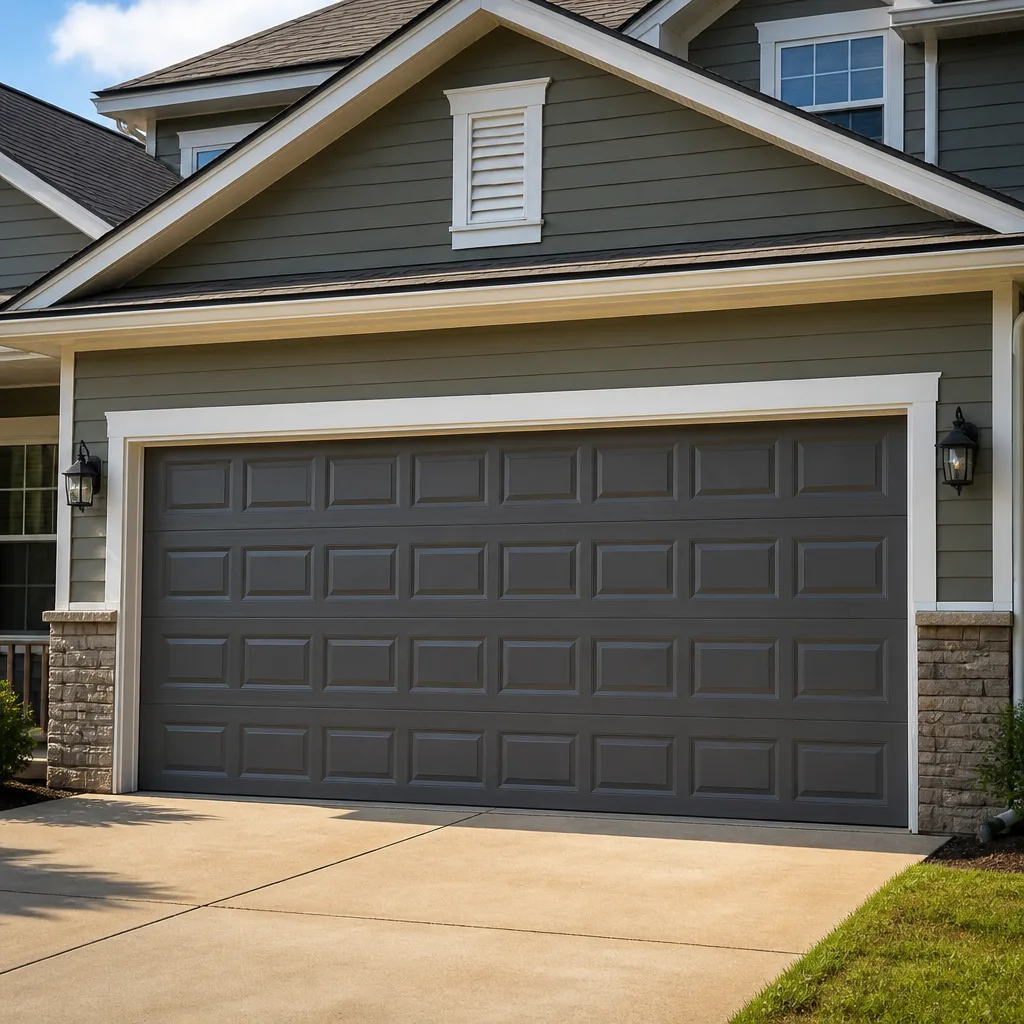 Raised-panel steel
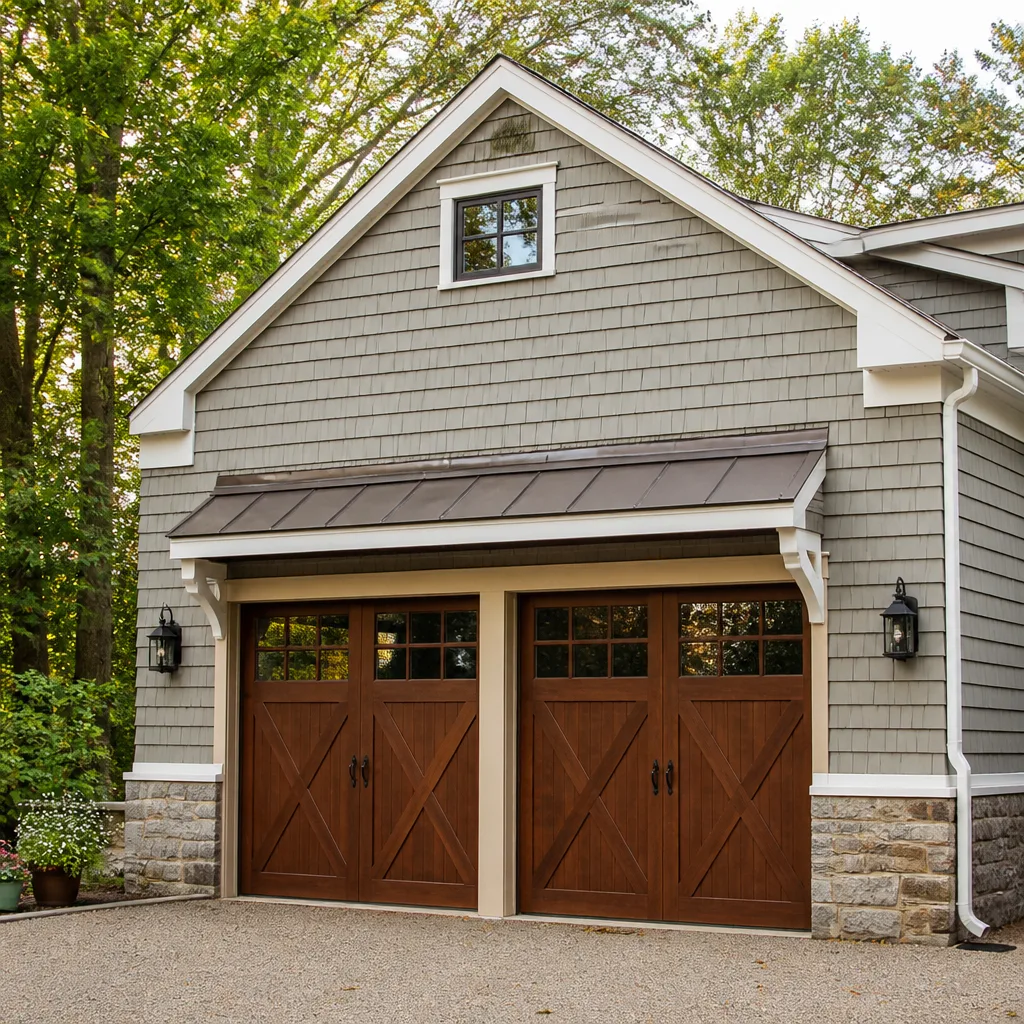 Carriage house
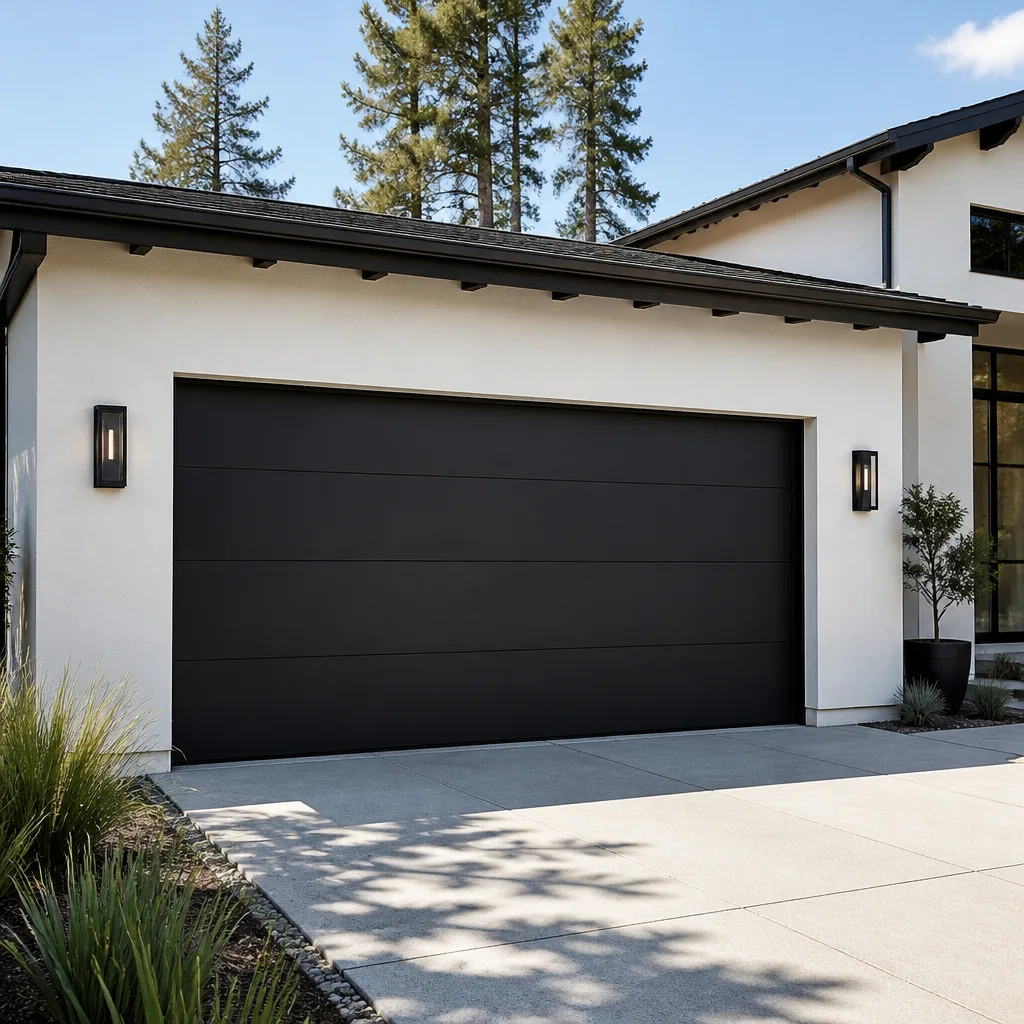 Modern flush
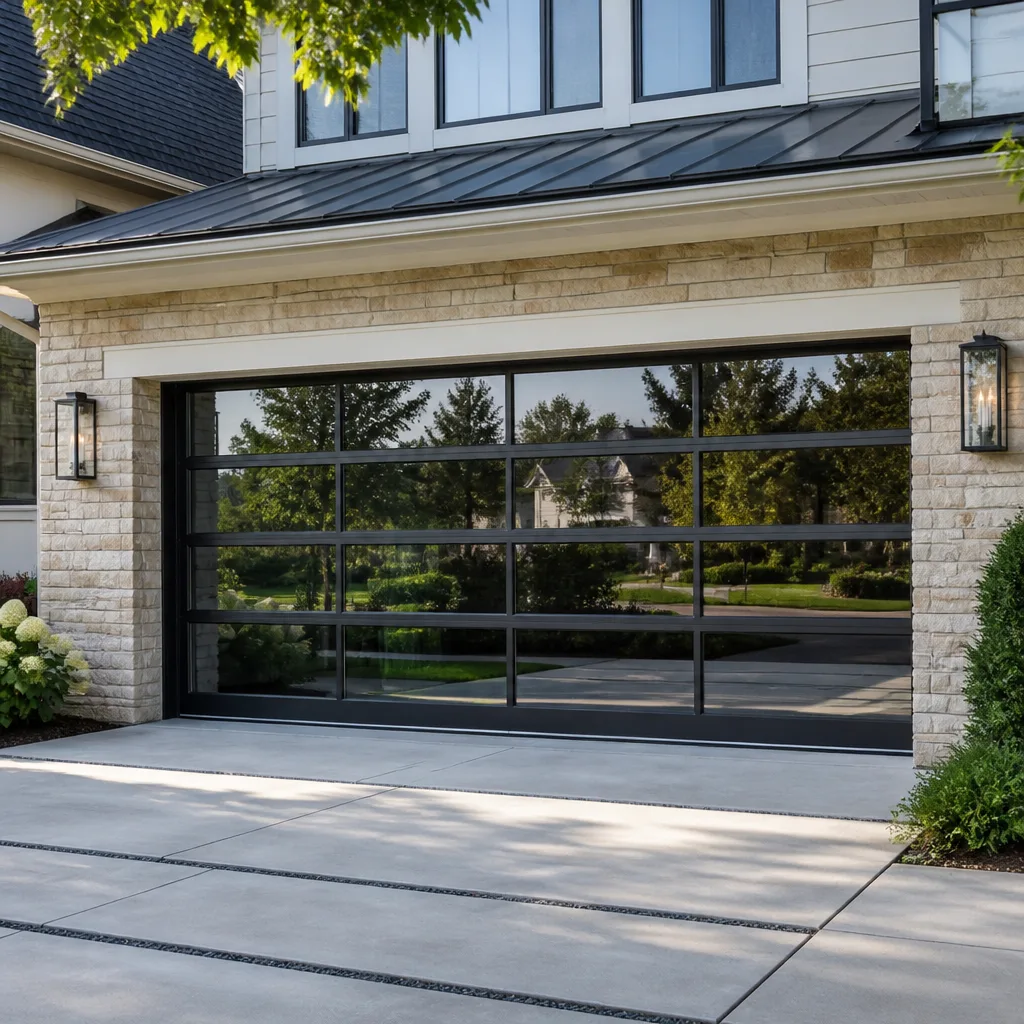 Full-view glass
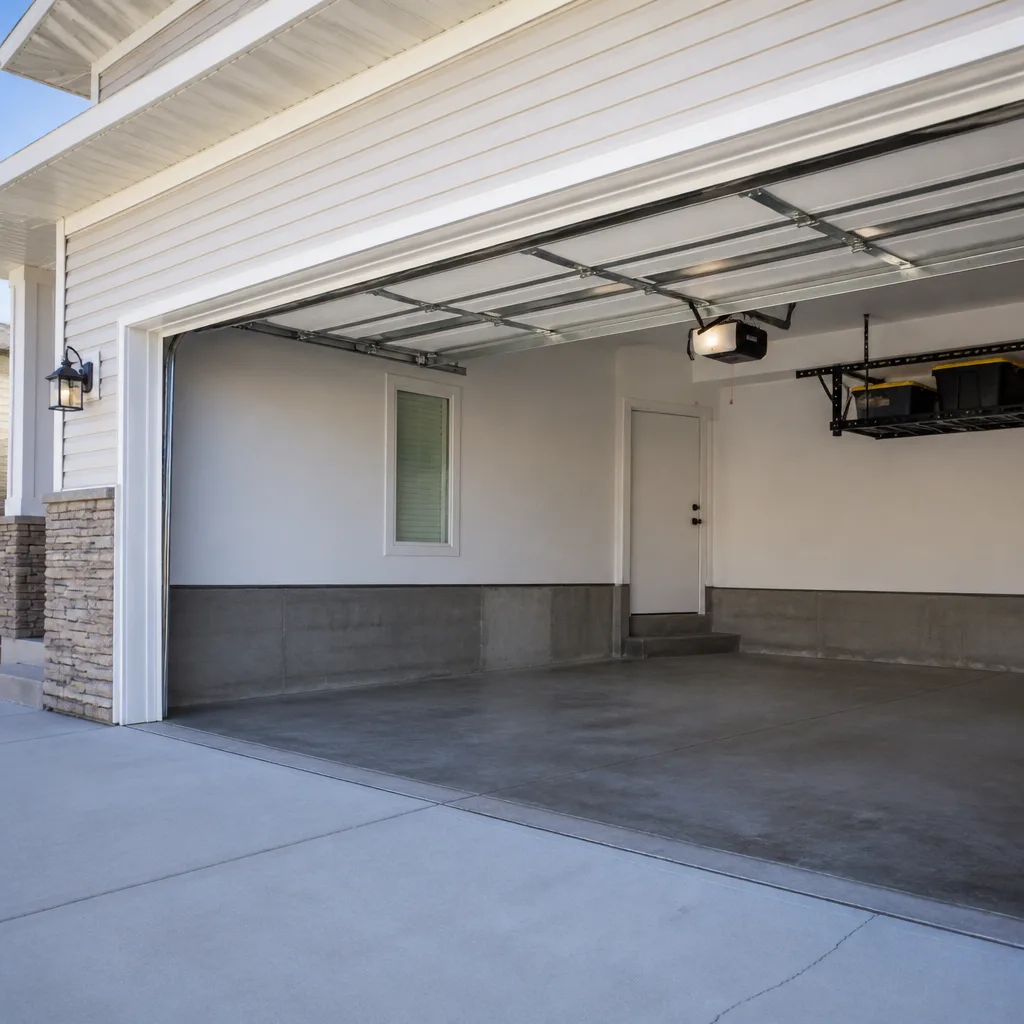 LiftMaster openers
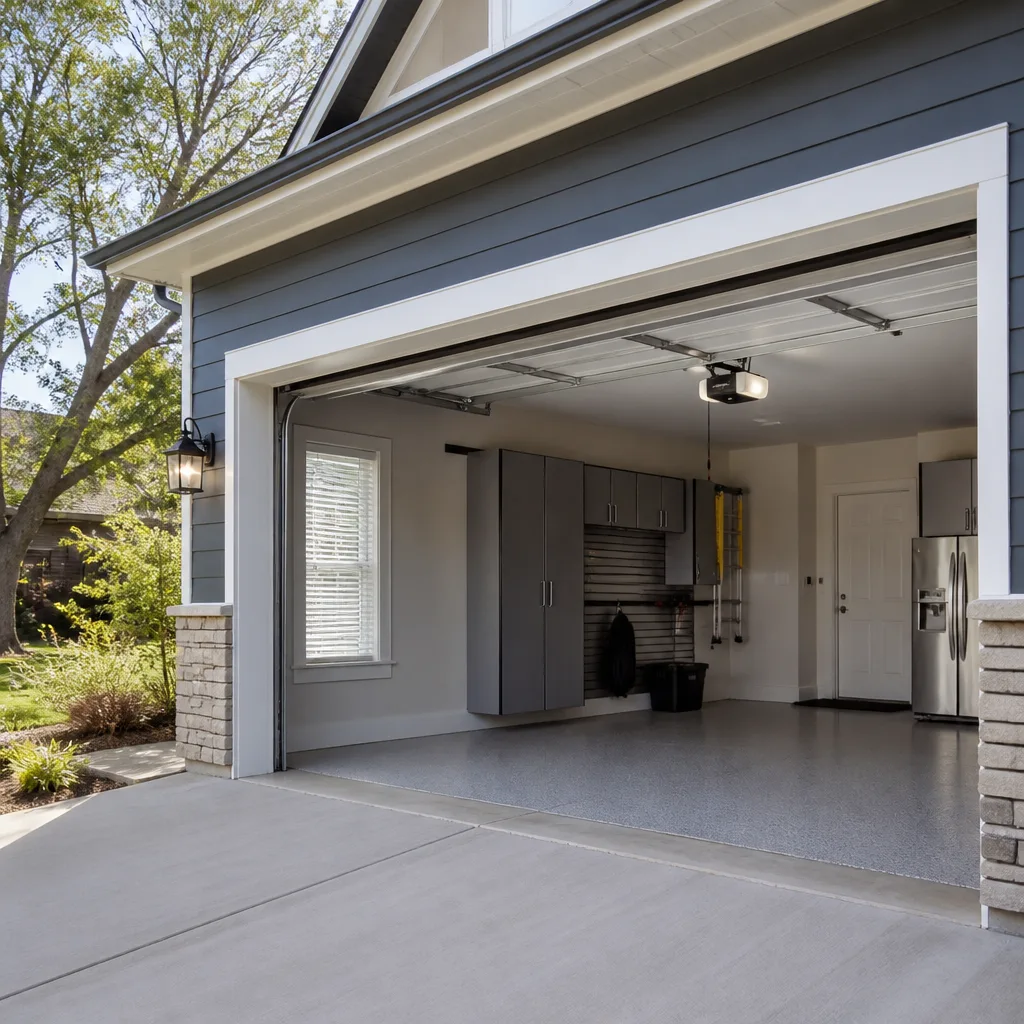 Chamberlain openers
Full 25-point door and opener safety check with every visit - springs, cables, rollers, tracks, and your LiftMaster or Chamberlain opener included
You get a price before we start. It does not change when the pro arrives.
Get your free estimateGarage Door Repair Maintenance Checklist for Visalia Homeowners
The number-one source of spring failures in Visalia isn’t age. It’s the temperature swing between a 105°F July afternoon and a 38°F January night. That 65-degree delta fatigues torsion steel far faster than the moderate-climate averages most checklists are written around. So this guide is built backward from the calls we actually get across the Valley floor, not recycled from a northern-climate template. You’ll learn what to check monthly, what to check semi-annually, what to inspect once a year, which lubricants survive a Tulare County summer, and the exact visual cues that tell you a part has 30, 60, or 90 days left. You’ll also get a plain answer on what you can safely handle yourself and what needs a trained technician.
Quick Answer
A garage door maintenance checklist for Visalia should focus on heat-driven metal fatigue, dust infiltration, and seasonal temperature swings more than cold-weather issues like ice or snow. Check the balance, springs, rollers, cables, sensors, and bottom seal monthly; lubricate rollers, hinges, and torsion hardware semi-annually; and have springs, cables, and opener force limits inspected annually by a trained technician. Around 80% of failures announce themselves visually weeks before the door stops working, so a consistent 10-minute monthly walk-through catches most problems early.
Styles & brands we work with
- Raised-panel steel
- Carriage house
- Modern flush
- Full-view glass
- LiftMaster openers
- Chamberlain openers
Table of Contents
- Why Visalia Doors Age Differently
- Monthly Checklist: The 10-Minute Walk-Through
- Semi-Annual Checklist: Lubrication and Adjustment
- Annual Checklist: What a Technician Should Inspect
- Which Lubricants Actually Hold Up in Valley Heat
- Visual Cues That Signal 30, 60, or 90 Days to Failure
- How Valley Dust Affects Sensors and Seals
- What You Can Safely Do vs. What Needs a Technician
Why Visalia Doors Age Differently
Most garage door maintenance advice online was written for homeowners in Minnesota or New England. It assumes your biggest enemies are snow load, ice damming, and frozen hinges. That advice is useless here. Visalia sits on the Valley floor where the temperature runs from summer highs near 105°F down to winter lows around 38°F, and the door hardware lives through that entire range in a single year. Metal expands in July, contracts in January, and the cycle repeats. Torsion springs are the part that feels it most.
The second thing that makes a Visalia door different is dust. The Valley’s agricultural economy means fine particulate is airborne for much of the year, especially during harvest and on windy spring days. That dust settles into roller tracks, sensor lenses, hinge pivots, and the path of the bottom seal. Urban grime is greasy and clings; Valley dust is abrasive and drifts. It gets into places grease doesn’t and wears parts a different way.
What that means for you is a checklist that leans on heat tolerance, dust control, and visual inspection, not on winter prep. A door that would last ten years in a mild coastal climate may show spring fatigue in Visalia well before that, and the warning signs show up months ahead of a breakdown. The single best habit is a short monthly look at the parts that wear.
Monthly Checklist: The 10-Minute Walk-Through
Ten minutes once a month is enough to catch the vast majority of problems before they become repair calls. Do this with the door closed first, then again with it open.
- Listen to the door. Run it once and listen for grinding, squealing, popping, or a rhythmic thud. Any new sound is worth investigating before it repeats.
- Test the balance. Disconnect the opener (pull the release cord), lift the door to about waist height, and let go. It should stay there. If it drops or rises on its own, the spring tension is off or a spring is failing.
- Look at both torsion springs. On a two-spring door, compare them side by side. A visible gap in the coil, a stretched section, or rust dust at the coil tells you something is wrong.
- Inspect the cables. Look at both sides where the cable runs down to the bottom bracket. Fraying, kinks, or a cable resting outside its drum needs a technician immediately.
- Check the track alignment. With the door open, sight up each vertical track. Dents, gaps between track and frame, or a track that’s pulled away from the wall all cause binding.
- Test both safety sensors. With the door open, wave an object across the sensor beam. The door should reverse or refuse to close. If not, realign or clean the lens.
- Look at the bottom seal. With the door closed, check for gaps between seal and floor. A worn seal lets dust and pests in and stresses the opener.
- Scan the panels. Look for dents, cracks, or paint bubbling on the door panels, especially on south- and west-facing doors that take the harshest sun.
If any item fails, address it that month rather than waiting. Small alignment and lubrication problems stay cheap to fix; ignored, they turn into spring, cable, and opener failures.
Semi-Annual Checklist: Lubrication and Adjustment
Twice a year, once in spring before the heat sets in and once in fall when it breaks, give the door a deeper pass. This is where Valley heat takes the biggest toll on the moving parts.
- Lubricate the rollers. Use a silicone-based or lithium grease spray on the roller bearings, not the roller face or the track itself. A few drops per roller, worked in by running the door.
- Lubricate hinges and pivots. A light spray at each hinge pivot and the top and bottom brackets keeps them moving freely in hot weather.
- Apply torsion spring lubricant. A light coat of a spring-specific lubricant or white lithium grease on the coils slows rust and reduces coil binding in dry heat.
- Wipe down the tracks. Use a dry or slightly damp cloth to remove dust buildup. Do not grease or oil the track surface; rollers should glide, not slide.
- Clean the sensor lenses. Wipe both lenses with a soft cloth. In Visalia, a fine dust film builds up fast and can cause intermittent false trips.
- Check the opener force and travel limits. On a LiftMaster, Chamberlain, Genie, or Craftsman unit, verify the door closes fully and reverses properly, then adjust limits if the door stops short or presses too hard.
- Inspect the bottom weather seal. Look for cracking, hardening, or gaps at the edges. Replace at the first sign of failure.
- Tighten visible hardware. Check the bolts on the hinges and roller brackets. Heat cycling loosens them over time.
Semi-annual service is also the right moment to test the manual release and confirm it engages and disengages cleanly. If the release cord has become stiff or difficult to pull, that’s an early sign of track or spring issues and worth a professional look.
Annual Checklist: What a Technician Should Inspect
Once a year, a trained technician should look at the parts most homeowners shouldn’t touch. This is not a sales visit; it’s the equivalent of a dental cleaning. Some doors pass easily; some get flagged for one or two items you can budget for over the coming months.
- Torsion spring cycle count and coil condition. A technician checks for micro-cracks, stretch, and rust at the coil. He also estimates remaining service life based on how the coil looks and sounds.
- Cable tension and spooling. Cables are under extreme tension and can snap without visible warning. A technician checks for broken strands, spooling alignment on the drums, and correct tension at the bottom bracket.
- Roller wear and bearing condition. Rollers wear unevenly in heat. Nylon and steel rollers age differently, and a trained eye can tell when a set is nearing replacement.
- Opener drive condition. Belt, chain, or screw drive all need periodic inspection. This is the time to check the opener gear, limit switches, and force settings against the manufacturer specification.
- Hinge and bracket stress. Heat cycling weakens steel hinges and brackets over years. A technician checks for cracks, elongated bolt holes, and worn bushings.
- Door balance and spring torque. A precise balance test with a scale is more accurate than the homeowner test. Out-of-balance doors put extra load on the opener.
- Safety reverse and photoelectric eye test. Both the mechanical contact reverse and the photoelectric safety sensor should be tested to the door manufacturer and opener manufacturer specification.
Brand-fluent technicians on LiftMaster, Chamberlain, Genie, Clopay, Amarr, Wayne Dalton, Craftsman, and Raynor systems are trained to inspect the specific force settings, limit switches, and drive components each uses. Our technicians have up to 8 years of experience across these systems.
Which Lubricants Actually Hold Up in Valley Heat
The lubricant that works in a mild climate isn’t the one that works in Visalia. Thin oils and general-purpose household lubricants evaporate, migrate, or thin out at high summer temperatures, leaving a film that attracts dust instead of repelling it. Heat-rated products hold up better. Here’s the shortlist we recommend.
- Silicone spray lubricant is the safest all-purpose choice for rollers, hinges, and pivot points. It doesn’t attract dust, holds up in heat, and won’t degrade plastic or rubber parts.
- White lithium grease is a good choice for torsion springs, hinges, and heavier pivot points. It’s thicker and stays put in hot weather, though it can attract dust if over-applied.
- Spring-specific lubricant is formulated for torsion coils. It’s designed to reduce coil binding and protect against rust on the steel surface.
- Dry PTFE (Teflon) spray is useful on rollers and hinges where you want lubrication without any greasy residue. It performs well in high heat.
What you should avoid: WD-40 as a long-term door lubricant (it thins and evaporates), motor oil or engine grease on any door hardware (too heavy and attracts dust), and grease on the track surface (rollers should roll on a dry track, not slide on a greased one). In a Valley summer, the wrong lubricant can leave a tacky film that catches agricultural dust and turns into a grinding paste. That single mistake causes more roller and hinge wear than age does.
Visual Cues That Signal 30, 60, or 90 Days to Failure
Most garage door failures announce themselves weeks in advance. The trick is knowing what to look at. These are the cues a technician reads during a routine glance, laid out so you can learn them too.
About 90 Days Out
- Rollers squeak or squeal on the first open of the day, then quiet down.
- Springs look slightly darker or duller than they did last year, with a light rust bloom.
- The door hesitates half a second before moving when you press the opener.
- The bottom seal looks flattened where it meets the floor but not yet torn.
About 60 Days Out
- Rollers show flat spots or visible wobble when the door is running.
- Springs show a visible coil gap, stretch, or rust dust at the coil ends.
- The door is no longer balanced: it drifts down or up when released at waist height.
- The safety sensors trip intermittently even with nothing in the way.
- Hinges show elongation around the bolt holes.
About 30 Days Out
- A cable looks frayed at the bottom bracket or drum.
- A torsion spring has snapped (a loud bang, a door that won’t lift) or visibly failed in coil.
- The opener strains audibly or grinds when lifting the door.
- The door jerks, binds, or reverses mid-travel.
- The bottom seal is torn, cracked, or leaving light gaps at the floor.
Reading these cues is not a substitute for a professional inspection, but it does mean you can plan the repair before the door fails at a bad moment. If you spot symptoms in the 60- or 30-day columns, call before the door stops working altogether.
How Valley Dust Affects Sensors and Seals
The safety sensors on your door sit a few inches above the floor and aim a beam horizontally across the opening. In Visalia, that’s exactly the zone where fine dust accumulates fastest. A thin film on either lens is enough to cause intermittent false reverses, particularly after a windy spring day or during harvest season.
The bottom seal faces a similar problem. Dust gathers on the floor under the door, and the seal compresses it into a fine abrasive layer every time the door closes. Over a season or two, that layer can wear the seal and let more dust in. When you inspect the bottom seal, wipe away the dust line first so you can see whether the rubber is cracked, torn, or simply compressed.
Track alignment matters more here too. Dust that gets in the track catches on the rollers and stays. Over time, the rollers begin to ride on a layer of grit, wearing them faster than they would in a cleaner climate. A dry wipe of the track during the semi-annual lubrication pass is one of the simplest maintenance habits a Visalia homeowner can build.
What You Can Safely Do vs. What Needs a Technician
There’s a lot you can do yourself, and a few things you absolutely should not.
Safe for Most Homeowners
- Cleaning the sensor lenses.
- Wiping the tracks dry.
- Applying silicone spray to rollers, hinges, and pivot points.
- Testing the safety reverse function.
- Wiping down door panels and checking for panel damage.
- Testing balance with the manual release.
- Inspecting the bottom seal for wear and wiping away dust lines.
Needs a Technician
- Any work involving the torsion spring, its wind-up, or replacement.
- Any cable that looks frayed, kinked, or out of its drum.
- Track realignment, dented tracks, or track replacement.
- Opener force, travel limit, or safety reverse adjustments beyond manufacturer instructions.
- Hinge, bracket, or panel replacement on a door that is heavy or out of balance.
- Any door that is loud, jerky, or reverses without an obvious cause.
Torsion springs and the cables holding them are under extreme tension and can cause serious injury if handled without proper tools and training. Do not attempt to adjust, remove, or replace a torsion spring, unwind a cable, or work under a door held up only by the opener. If you’re unsure whether a task belongs in the safe column, treat it as a professional task. That’s not caution for its own sake; that’s the honest answer we give every homeowner who asks.
Common Mistakes to Avoid
- Greasing the track. Rollers are designed to roll on a clean, dry track. Grease attracts Visalia dust and turns the track into a grinding surface within a season.
- Using WD-40 as a door lubricant. It thins out and evaporates in heat, and it doesn’t hold up under the temperature swings a Valley door sees.
- Ignoring a small spring gap. A coil gap is the earliest sign of fatigue. Left alone, it becomes a snapped spring and a door you can’t open.
- Skipping the balance test. An out-of-balance door puts strain on the opener and accelerates roller wear, but the door still seems to work fine until it doesn’t.
- Pushing a worn bottom seal through another season. In Visalia, a worn seal lets dust and heat in and increases load on the opener.
- Assuming a reverse is “just the sensors.” Intermittent safety reverses can also mean a failing opener board, loose wiring, or a misaligned track.
- Tightening every bolt equally. Over-torquing hinge bolts cracks the door skin. Snug is enough on most panel hardware.
See the difference
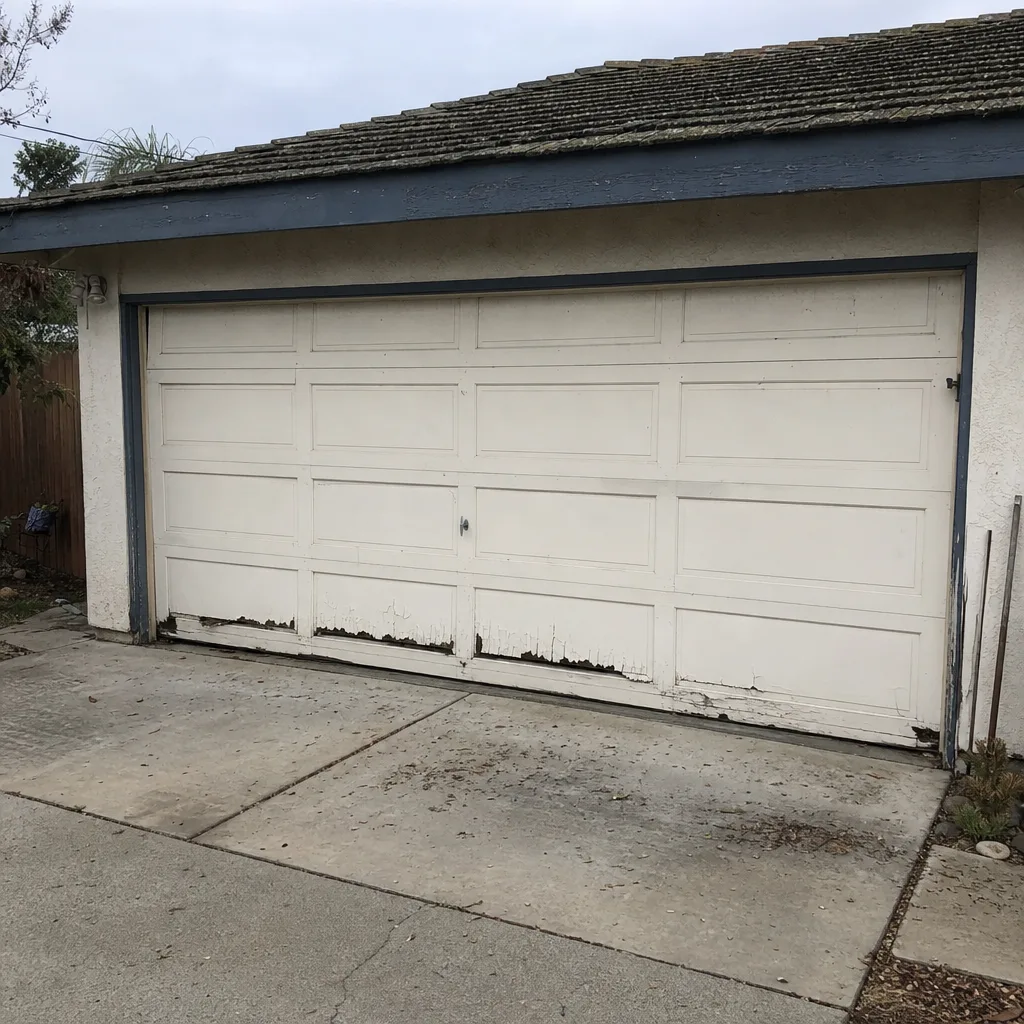 Before
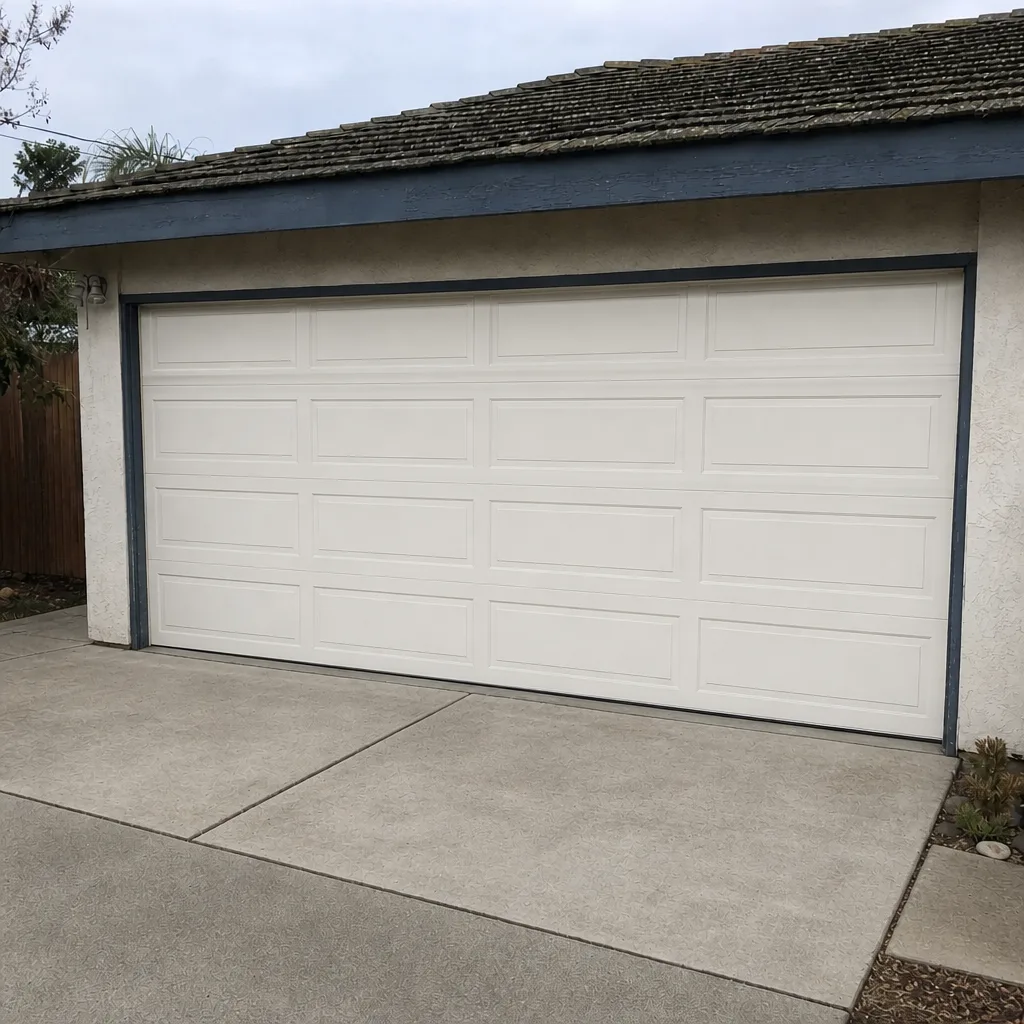 After
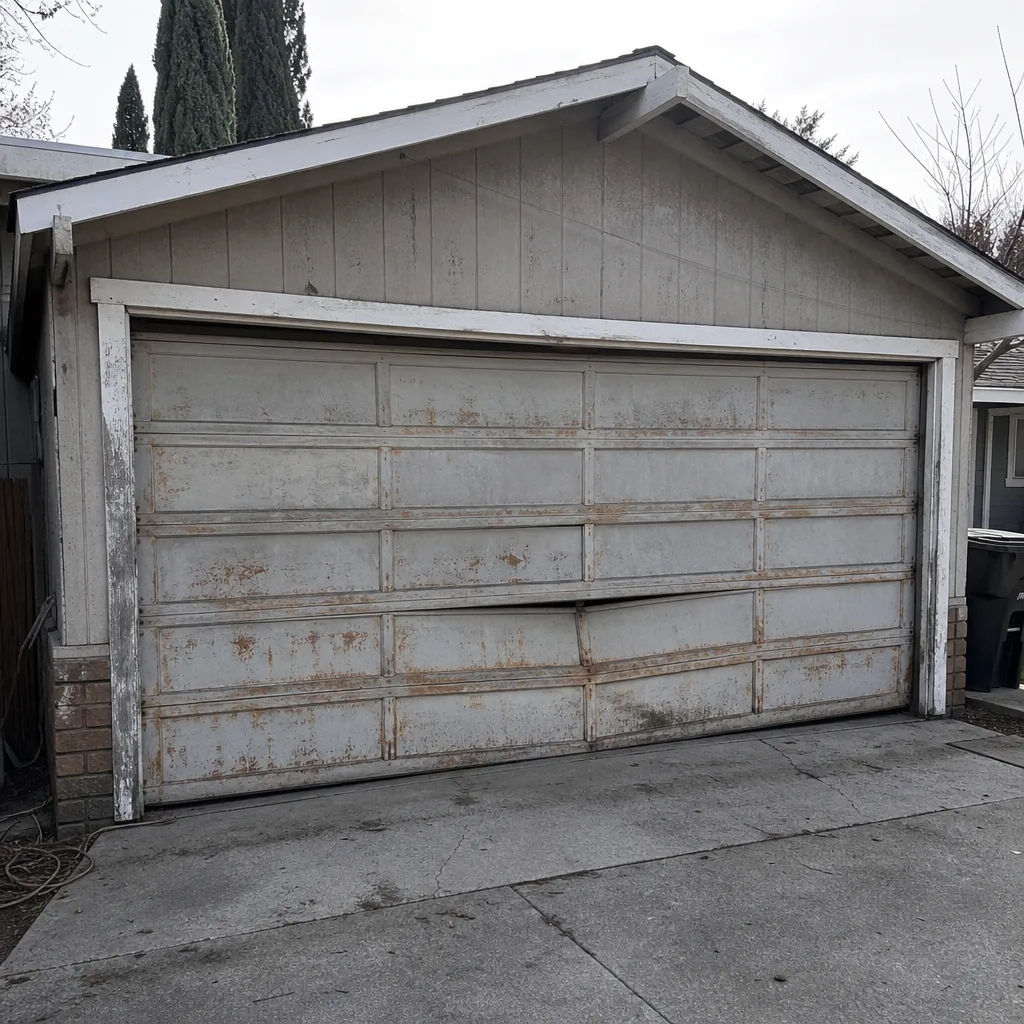 Before
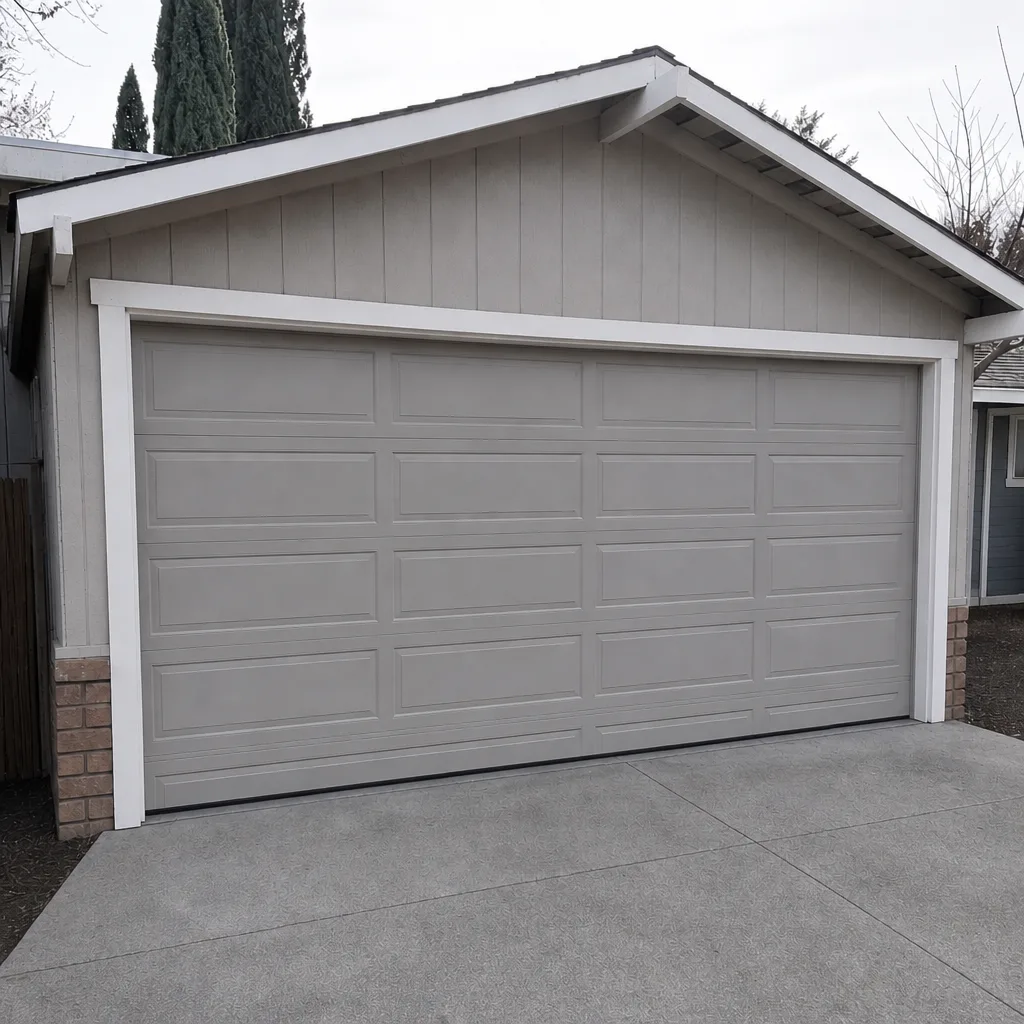 After
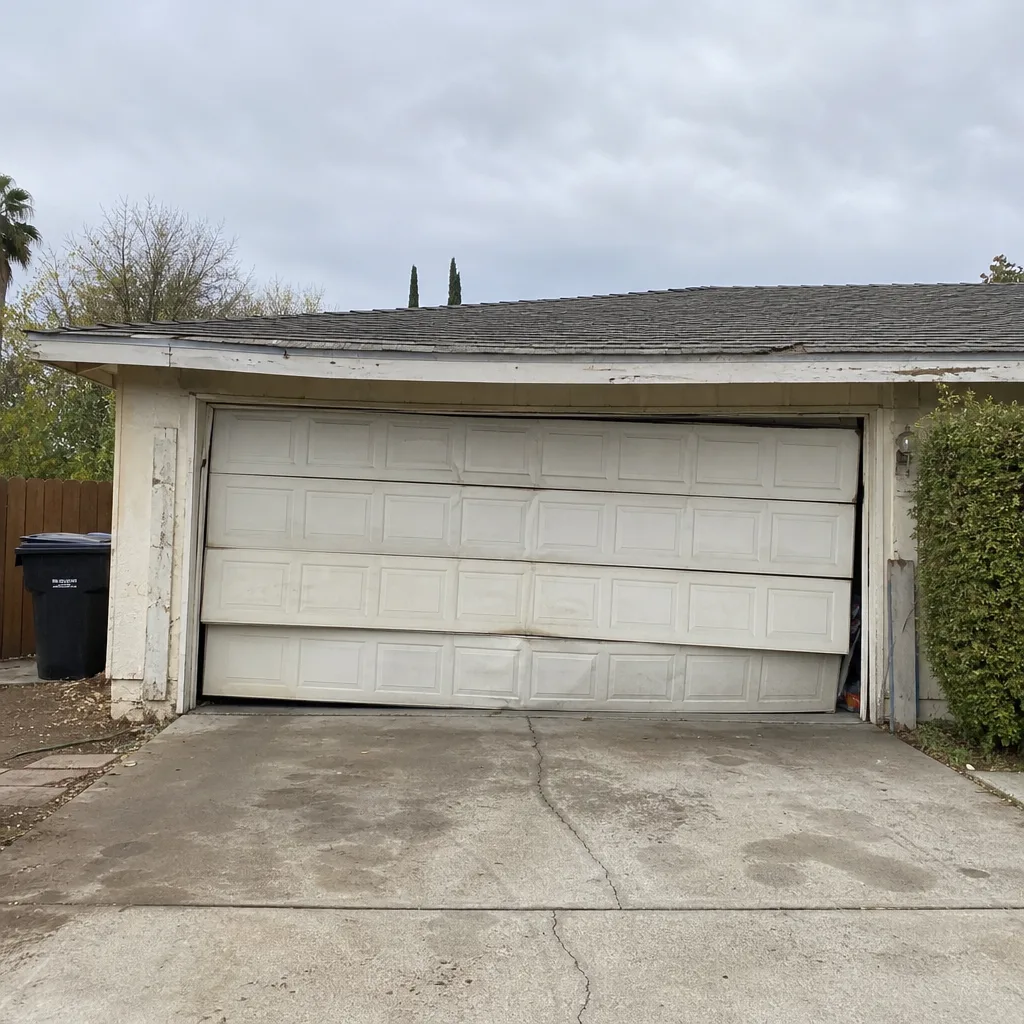 Before
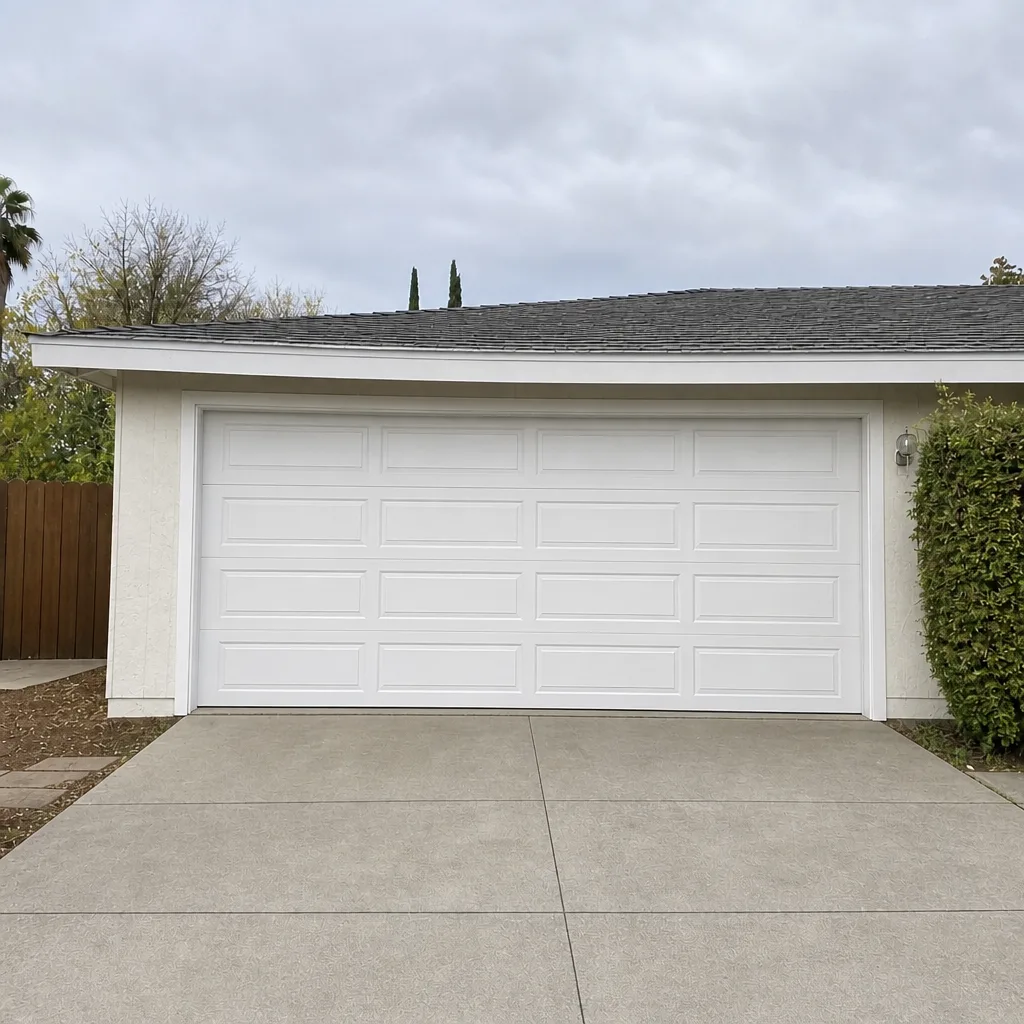 After
When to Call a Professional
Call a professional the moment you spot any of these: a spring showing a coil gap, stretch, or rust dust; a cable that looks frayed or out of its drum; a door that reverses without a clear reason; an opener that grinds, strains, or stops mid-travel; a door that’s out of balance after a manual release test; or a bottom seal that’s cracked and letting dust through. In each case, the cost of waiting is nearly always higher than the cost of an inspection. If you’re unsure whether your issue qualifies, describe it over the phone and we’ll tell you honestly whether you need a service call or can wait.
Gallant Garage Door Repair offers free estimates in Visalia. We work on the door and the opener as one system, so you’re not handed off between contractors. Garage door repair calls get an accurate diagnosis before any work is quoted, and the price is agreed in writing before we start. Call (877) 754-6982 to schedule an inspection or repair.
Frequently Asked Questions
Twice a year for lubrication and adjustment, plus once a year for a professional inspection, is the standard for a Valley climate. The heat and dust cycles in Visalia wear parts faster than a moderate climate, so a monthly 10-minute visual check between services is worth adding. If you notice any new noise, hesitation, or reverse, address it before the next scheduled service rather than after.
The swing between a 105°F July afternoon and a 38°F January night – a 65-degree delta – is what fatigues torsion springs and loosens hinge hardware fastest. Metal expands and contracts with each cycle, and springs lose tension gradually. That’s why the spring inspection is the single most important item on the annual list for a Visalia home.
Yes. Silicone spray on rollers and hinges and a white lithium or spring-specific lubricant on the torsion springs are all tasks most homeowners can safely handle. Do not grease the track, do not use WD-40 as a long-term lubricant, and never touch the torsion springs or cables themselves. Call (877) 754-6982 if you want an exact quote on a professional lubrication and inspection – estimates are free.
Dust buildup on the sensor lenses is the most common cause in Visalia, especially during spring wind events and harvest season. Wipe both lenses with a soft cloth and test again. If the sensors still trip intermittently, the alignment may have drifted, or there could be a wiring or opener board issue. In that case, a garage door opener repair technician should diagnose the cause rather than you continuing to guess.
Maintenance and inspection visits are typically lower than a repair call, but the exact price depends on the door type, opener model, and what’s found during the visit. The written estimate sets the final price, and we quote before any work begins. Call (877) 754-6982 for a free estimate.
No. The written estimate you agree to before work starts is the price. If we discover something during the repair that changes the scope, we stop, explain what we found, and get your approval before continuing. You’ll never be billed for work you didn’t agree to.
The Bottom Line
A garage door in Visalia lasts longer with a simple routine: 10 minutes a month for a visual check, twice-yearly lubrication built for heat, and an annual professional inspection of the springs, cables, rollers, and opener. The 65-degree swings and Valley dust do the real damage, and both show up as visual cues weeks before failure. Handle the clean, lube, and sensor tasks yourself. Hand the springs, cables, and opener adjustments to a trained technician. If anything in this checklist flags a repair, call Gallant Garage Door Repair at (877) 754-6982. We answer 24/7, fast dispatch runs 7am-7pm Sunday through Friday, and estimates are free. Whether it’s a snapped Clopay spring or a LiftMaster opener that won’t reverse, we’re Gallant Garage Door Repair. For the full service overview, see our garage door repair page and our garage door opener repair page, and to learn about the area we serve, visit Visalia.
Written by the team at Gallant Garage Door Repair.