
Last updated November 14, 2026
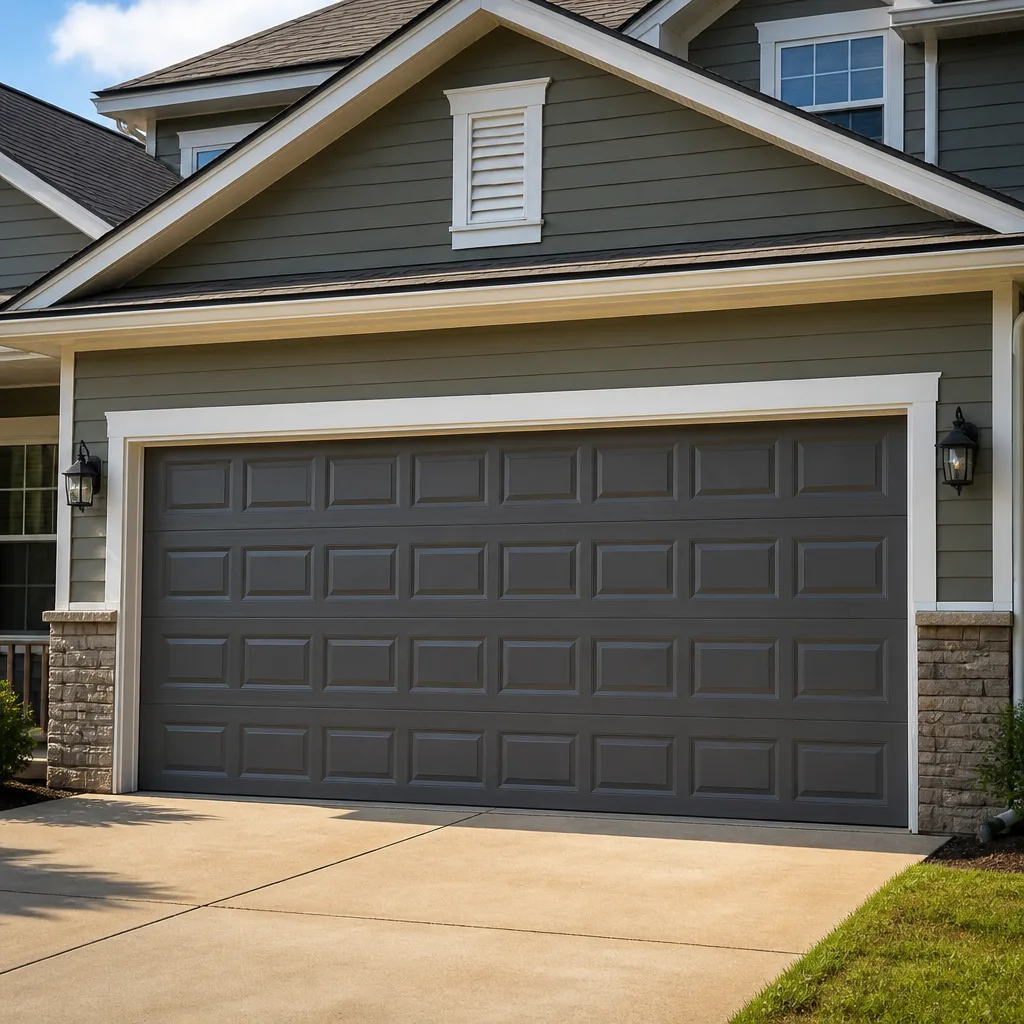 Raised-panel steel
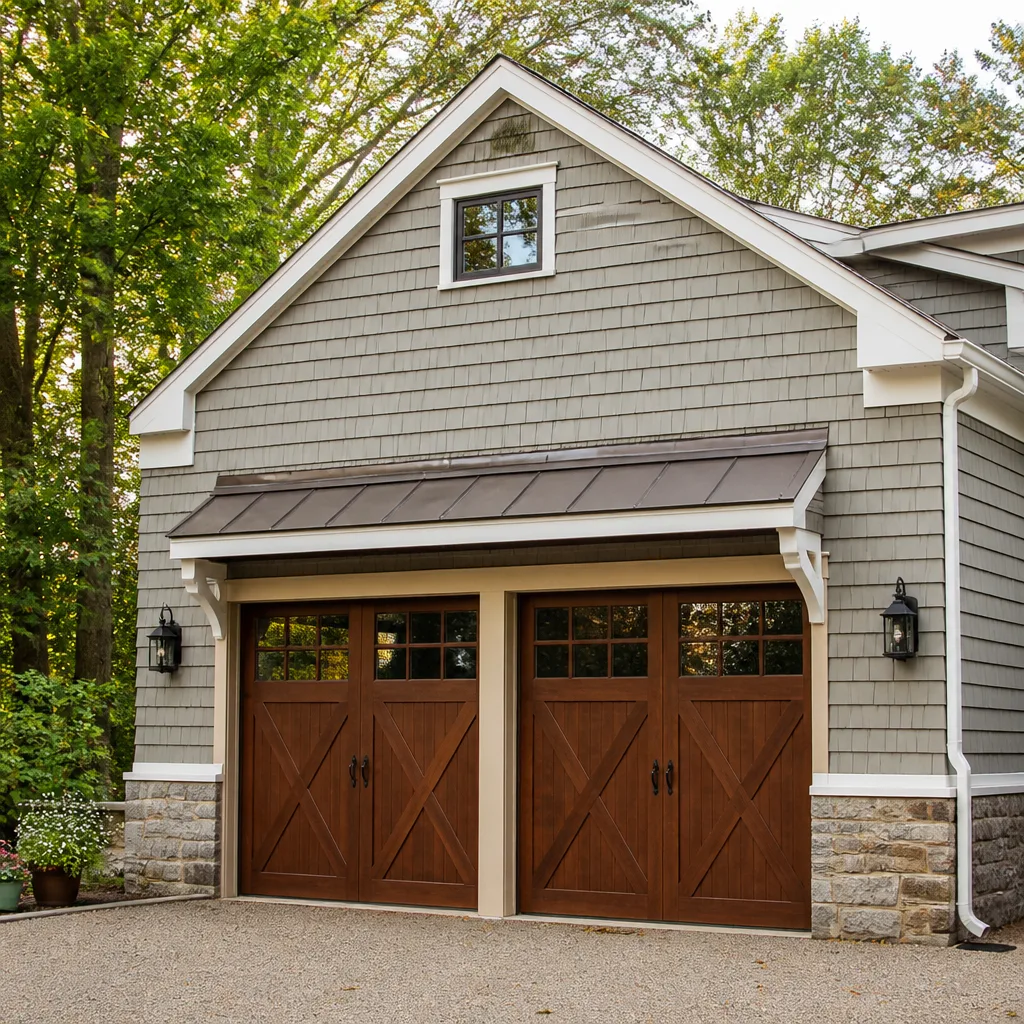 Carriage house
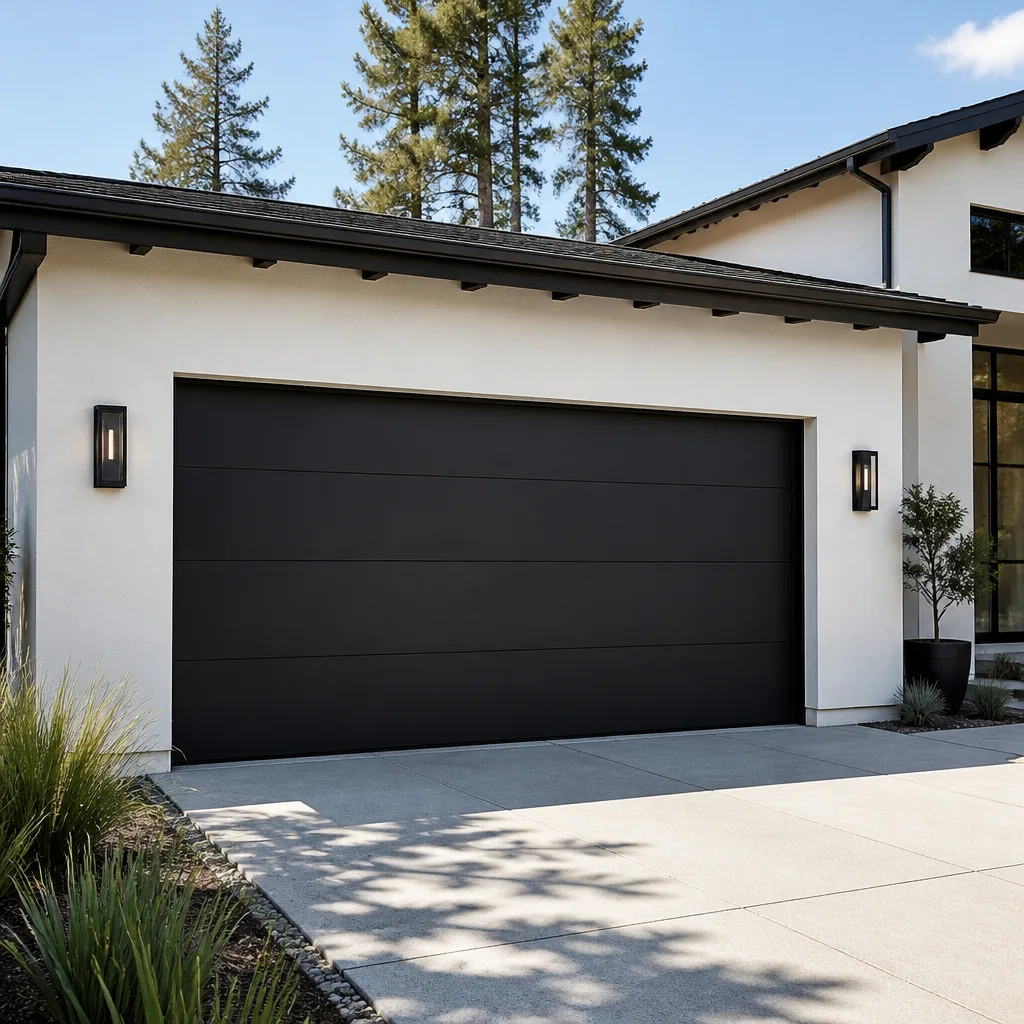 Modern flush
 Full-view glass
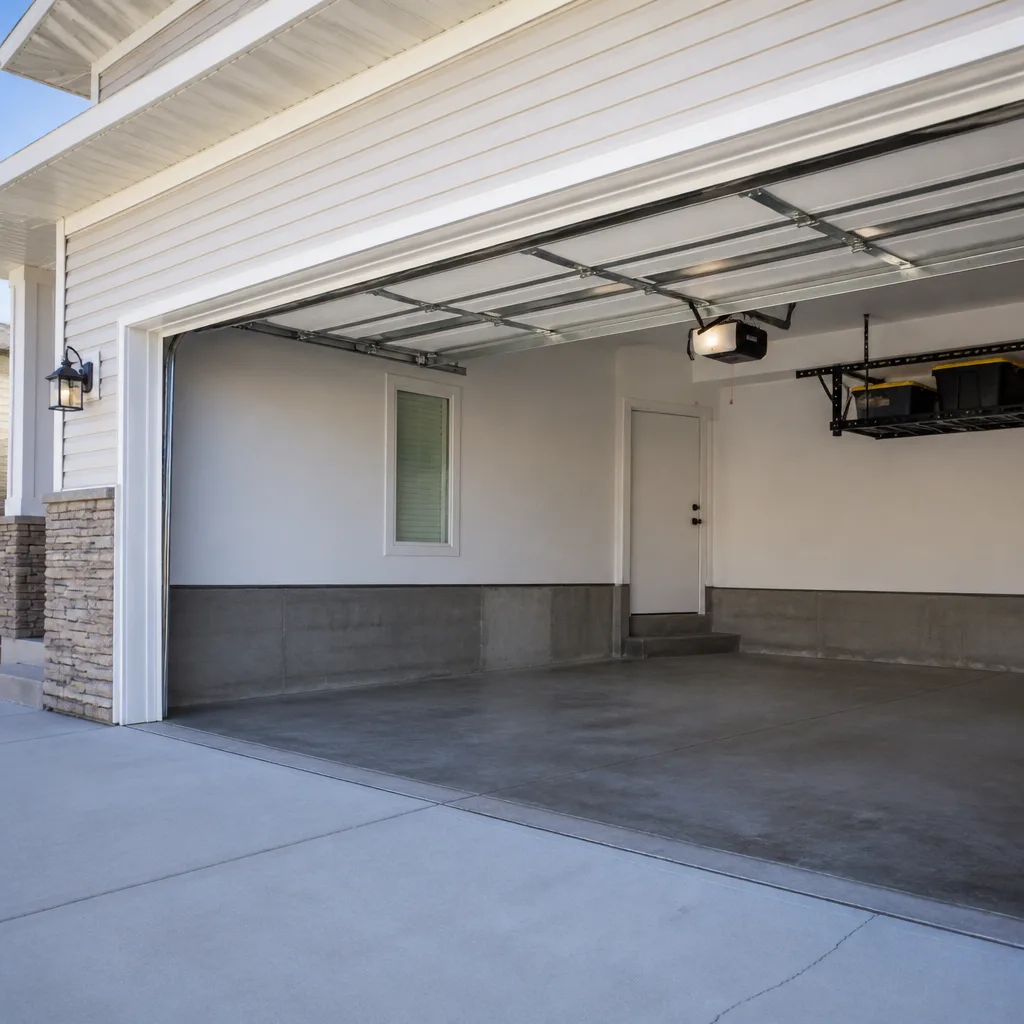 LiftMaster openers
 Chamberlain openers
Full 25-point door and opener safety check with every visit - springs, cables, rollers, tracks, and your LiftMaster or Chamberlain opener included
You get a price before we start. It does not change when the pro arrives.
Get your free estimateGarage Door Emergency Preparedness Guide for Visalia Homes
Most homeowners in Visalia treat a garage door like a light switch: it works until it doesn’t, and nobody thinks about it in between. That assumption holds right up until the moment the door won’t lift, the car is trapped inside, and the day’s plans fall apart. The counterintuitive truth is that the emergency itself is rarely the hard part. What turns a stuck door into a real crisis is having no plan, no manual release practice, and no idea what to do in the first ten minutes. This guide covers exactly that: how the door fails, how to release it by hand, how to secure it, what to keep on hand, and a simple walkthrough every household should run before an outage or a broken spring forces the issue. If you live in Visalia, the preparation matters as much as the repair.
Quick Answer
Garage door emergency preparedness in Visalia means three things: every driver in the house can pull the manual release safely, you know how to secure a door stuck in the open position, and you keep a short list of tools and supplies in the garage itself rather than the house. Practice the manual release before you need it, because the moment the power fails or a spring snaps is the worst time to learn. When the problem is a broken spring, a snapped cable, or a door that has come off its track, stop and call a trained professional.
Styles & brands we work with
- Raised-panel steel
- Carriage house
- Modern flush
- Full-view glass
- LiftMaster openers
- Chamberlain openers
Table of Contents
- Why Power Outages in Visalia Catch Homeowners Off Guard
- How to Use the Manual Release on Your Opener
- How to Secure a Garage Door Stuck in the Open Position
- What to Keep in the Garage for Door Emergencies
- Safe to Handle vs. Call a Professional Immediately
- The 10-Minute Family Walkthrough
- Warning Signs That Precede a Breakdown
- Building a Power Outage Plan Around Your Garage
Why Power Outages in Visalia Catch Homeowners Off Guard
Public Safety Power Shutoffs have affected Tulare County multiple times, and each one leaves a stretch of homes without power for hours. During those events, an automatic garage door opener becomes a very expensive piece of dead machinery. The door itself is fine. The springs are intact. But without electricity, the opener motor won’t run, and a home with no manual release practice is one shutoff away from a car that cannot leave the garage.
This is the part most homeowners miss. A power outage isn’t a garage door failure at all, but it produces the same result: a door that won’t move and a household that suddenly can’t get a vehicle out. In the summer heat that Visalia is known for, a trapped car and a closed garage also mean a house that heats up faster and stays hotter longer, because the garage door is one of the largest surfaces in the home and it sits in full sun for much of the afternoon.
There’s a second, quieter reason outages catch people off guard. Modern openers from LiftMaster and Chamberlain rely on safety sensors and logic boards that behave differently after a power interruption. When electricity returns, the door may not respond until the opener is reset, and a homeowner who doesn’t know how to reset it will assume the opener is broken. It usually isn’t. It just needs a few seconds of attention.
What actually happens during an outage
- The motor stops immediately. The door stays wherever it was when power cut, whether that’s closed, open, or halfway.
- The manual release still works. The release is mechanical, not electrical, so it functions regardless of power.
- Safety sensors go dark. After power returns, the opener may need a reset before it will run again.
- Your car is stuck until the release is pulled. That’s the whole emergency, and it’s entirely solvable with practice.
Preparation turns a shutoff from a crisis into an inconvenience. That’s the entire premise of this guide, and it’s why practicing the manual release before an outage matters more than any single repair. If you’d rather have a specialist walk you through your specific opener, our garage door opener repair service covers every major brand and can check that your release is functioning properly.
How to Use the Manual Release on Your Opener
The manual release is a cord with a handle that hangs from the opener trolley. Pulling it disconnects the door from the opener so you can lift it by hand. It works on every major brand, including Craftsman and Raynor, though the cord placement differs slightly from model to model. The single most common mistake people make is pulling the release while the door is open or halfway up, which lets the door drop under its own weight and can damage the mechanism, the panels, or the person standing under it.
Step-by-step manual release
- Close the door first if it’s safe to do so. Never pull the release with the door open or partly raised.
- Stand clear of the door’s path. Keep hands and feet away from the hinges and the bottom edge.
- Locate the release cord. It hangs from the trolley near the center track, usually with a red or black handle.
- Pull firmly and steadily downward. You should feel the trolley disconnect from the door arm.
- Lift the door by hand. A balanced door lifts with modest effort. If it feels extremely heavy, stop and call a professional, because a spring is likely broken.
- Prop or secure the door before walking away. Never leave a manually opened door unattended.
To reconnect the door to the opener, close it fully and pull the release cord again, or follow the reconnect procedure in your opener manual. On some LiftMaster and Chamberlain models, running the opener once re-engages the trolley automatically. If the door won’t reconnect, the trolley may be out of position and needs to be reset.
The one mistake that damages the mechanism
Pulling the release with the door open is the error that causes the most damage. The springs are under tension, and the door is designed to be held by the opener at any position other than fully closed. Release it mid-travel and the door falls, which can bend the tracks, snap a cable, or crack a panel. Always close the door first.
One more safety point: the springs and cables above the door are under extreme tension. Never attempt to adjust, remove, or inspect them yourself. Those components are the single most dangerous part of any garage door, and they belong to a trained technician. Our technicians have up to 8 years of experience with these systems, and we treat spring and cable work as the serious job it is.
How to Secure a Garage Door Stuck in the Open Position
A door stuck open is a security problem before it’s anything else. In Visalia, an open garage door exposes everything stored inside to view from the street, and it leaves the door between the garage and the house as the only barrier. Whether the cause is a dead opener, a snapped spring, or a door that jumped its track, securing it quickly is the priority. The goal is a temporary hold that keeps the door down and the home closed until a professional can make the actual repair.
Temporary securing steps
- Lower the door by hand if it’s safe. With the release pulled, guide the door down slowly. If it’s too heavy to control, don’t force it.
- Engage the lock if your door has one. Many older doors have a manual slide bolt or lock bar on the inside.
- Use C-clamps on the vertical tracks. Clamp just above a roller on each side to prevent the door from rising.
- Block the bottom edge. A wedge or a piece of lumber against the bottom panel adds resistance.
- Don’t rely on the opener. A disconnected or failed opener provides no security.
If the door is stuck open and cannot be lowered safely, the next best step is to close off the opening from the inside. A heavy moving blanket or a sheet of plywood across the doorway, plus keeping the interior door locked, buys time until help arrives. In Visalia’s summer heat, a door held open also lets hot air pour into the garage and radiate into the house, so closing it off helps with comfort as well as security.
Weather matters here too. The Valley gets dusty wind events and occasional heavy rain, and an open garage invites both in. Dust settles into opener tracks and hinges, and rain on an open door can warp panels and rust hardware. Securing the door protects the mechanism as much as the contents. If your door has already been damaged and needs panel or hardware work, our garage door repair team handles the full system, from springs and cables to panels.
What to Keep in the Garage for Door Emergencies
Most emergency kits live in the house, which is exactly the wrong place when the garage door is the problem. If the door won’t open, you may not be able to get to the kit inside. Keep these items in the garage itself, in a labeled bin near the interior door, so they’re reachable even when the garage door is stuck.
- A flashlight and spare batteries. Outages mean darkness, and the garage is often the darkest room in the house. A headlamp is even better because it keeps your hands free.
- Two C-clamps. Sized to your vertical tracks, these are the fastest way to secure a door in the open position. Test-fit them once so you know they work.
- A sturdy step stool. The release cord and the opener controls may be higher than you expect, especially for shorter household members.
- A printed copy of your opener manual. Reset procedures vary by brand and model, and you won’t be able to look it up online during an outage.
- Work gloves. Panels and tracks have sharp edges, and a door that has shifted can pinch.
- A small wedge or block of wood. Useful for holding the door steady while you secure it.
- A written contact card for your garage door professional. When the door fails, you don’t want to be searching for a number in the dark.
The reasoning behind each item is simple: every one of them solves a problem you’ll actually face in the first ten minutes of a failure. A flashlight you can’t reach is useless. A manual you can’t find online is useless. A clamp that doesn’t fit your track is useless. Keep the kit where the problem happens, and check it once a season so the batteries are fresh and the manual is still there.
If your opener is a smart model from LiftMaster or Chamberlain, note that many of these can be controlled from a phone app, but only while the network and power are up. During a shutoff, the app won’t help. The manual release and the kit are what carry you through. For questions about your specific opener, our opener repair service covers every major brand, and a technician can walk you through your model’s reset procedure.
Safe to Handle vs. Call a Professional Immediately
Not every garage door problem is a call-now emergency, and not every problem is safe to touch. The distinction matters because the wrong decision can turn a repair into an injury. Here’s how to sort it out quickly.
Safe to address temporarily yourself
- Power outage with an intact door. Pull the manual release, lift the door by hand, and reconnect when power returns.
- Opener unresponsive after an outage. Try a reset per your manual before assuming the opener is dead.
- Remote or keypad not working. Replace batteries and check the safety sensors for obstruction.
- Door stuck open with a working spring. Lower it by hand and secure it with clamps.
Call a professional immediately
- A broken spring. You’ll hear a loud snap and the door will feel extremely heavy. Springs are under dangerous tension and must never be handled by a homeowner.
- A snapped or frayed cable. Cables can whip and cause serious injury. Keep clear and call.
- A door off its track or hanging unevenly. Forcing it can bring the whole door down.
- A door that won’t stay down. This usually points to a spring or balance problem.
- Any grinding, burning smell, or sparking from the opener. Stop using it and call.
The rule of thumb: if the problem involves springs, cables, tracks, or anything electrical inside the opener, it’s a professional job. If the problem is a dead opener or a power outage with an otherwise sound door, you can usually manage it safely with the manual release. When in doubt, treat it as the dangerous category. A door that behaves unpredictably is not worth the risk.
The 10-Minute Family Walkthrough
The single best preparation for a garage door emergency is a short walkthrough that every driver in the household completes. The goal is simple: anyone who might need to get a car out of the garage should know how to release the door by hand, safely, without help. Ten minutes once is enough to make an outage a non-event.
How to run the walkthrough
- Gather every driver in the garage. Include anyone who might need to move a car, not just the primary driver.
- Point out the release cord. Show where it hangs and what it does.
- Close the door. Confirm it’s fully down before anyone touches the release.
- Have each person pull the release. One at a time, so everyone feels how it disconnects.
- Have each person lift the door by hand. A balanced door lifts with modest effort. If it doesn’t, the spring needs attention.
- Have each person lower the door and reconnect it. Reconnection is the step people forget.
- Show where the emergency kit lives. Flashlight, clamps, manual, gloves.
- Review the safe-vs-dangerous list. Make sure everyone knows a broken spring means stop and call.
Run the walkthrough once a year, and again whenever a new driver joins the household. It’s also worth running after any opener replacement, since the release and reconnect procedure may differ on the new model. If you’ve recently installed a new door or opener, or you’re considering one, our Gallant Garage Door Repair team installs and services the full system, so we can show you the release and reconnect procedure on your specific model.
Warning Signs That Precede a Breakdown
Most garage door failures announce themselves before they happen. The door that snaps a spring or jumps a track usually gave warnings for weeks. Catching those signs early is the cheapest form of emergency preparedness, because a scheduled repair is far easier than an unplanned one.
- The door feels heavier than usual. A balance problem or a weakening spring. Test by releasing the door and lifting it by hand.
- The door hesitates or reverses. Often a safety sensor issue or a failing opener logic board.
- Grinding or squealing. Worn rollers, dry hinges, or a failing opener gear. Lubrication helps, but persistent noise needs a look.
- The door closes unevenly. A sign of a cable or spring problem.
- The opener runs but the door doesn’t move. A stripped gear or a disconnected trolley.
- Visible sag or a gap at the bottom. A panel or track issue that will only get worse.
If you notice any of these in your Visalia home, don’t wait for the failure. A technician can diagnose the cause quickly and fix it before it strands a car. Our team is fluent in the brands most common in this area, from LiftMaster and Chamberlain openers to Clopay, Amarr, Wayne Dalton, and Raynor doors, so we know your equipment before we arrive. Our technicians have up to 8 years of experience diagnosing exactly these patterns.
Building a Power Outage Plan Around Your Garage
A power outage plan that ignores the garage is incomplete. For most households, the garage is where the car lives, and the car is how people get to work, school, and appointments. Build the plan around getting a vehicle out safely, then layer in the rest.
What your plan should cover
- Who releases the door. Name the person or people responsible, and make sure a backup knows the steps.
- Where the kit lives. In the garage, labeled, checked each season.
- How to reconnect the door. Everyone who releases it should know how to reconnect it.
- When to stop. A broken spring or a door that won’t lift means call, not force.
- Who to call. Keep the number on a card in the kit and saved in every phone.
It’s also worth thinking about what happens if the outage lasts longer than expected. If the door is manually released and you need to leave, secure the door behind you before you go. Don’t leave a manually opened door unattended. And if the outage happens during a heat wave, remember that a closed garage is a barrier against the sun, so keeping the door down helps the house stay cooler.
For homes in Visalia, the pattern is familiar: outages come, power returns, and the opener needs a reset. The households that handle it well are the ones that practiced beforehand. If your opener has been unreliable or you want it checked before the next shutoff, a professional inspection is a small investment against a much bigger disruption.
Common Mistakes to Avoid
- Pulling the manual release with the door open. This is the mistake that does the most damage, because the door drops under its own weight and can bend tracks or snap cables. Always close the door first.
- Keeping the emergency kit in the house. If the garage door is stuck, you may not be able to reach the house kit. Keep it in the garage, near the interior door.
- Forcing a heavy door. A door that won’t lift by hand has a broken spring. Forcing it risks injury and further damage. Stop and call.
- Ignoring an opener that needs a reset after an outage. Many homeowners assume the opener is dead when it just needs a reset. Check the manual before calling for a replacement.
- Leaving a manually opened door unattended. An open garage invites theft and lets in dust and heat. Secure it with clamps before walking away.
- Skipping the family walkthrough. A household where only one person knows the manual release is one outage away from a trapped car. Everyone who drives should practice.
- Waiting for a warning sign to become a failure. Grinding, hesitation, and uneven closing are cheap to fix early and expensive to ignore.
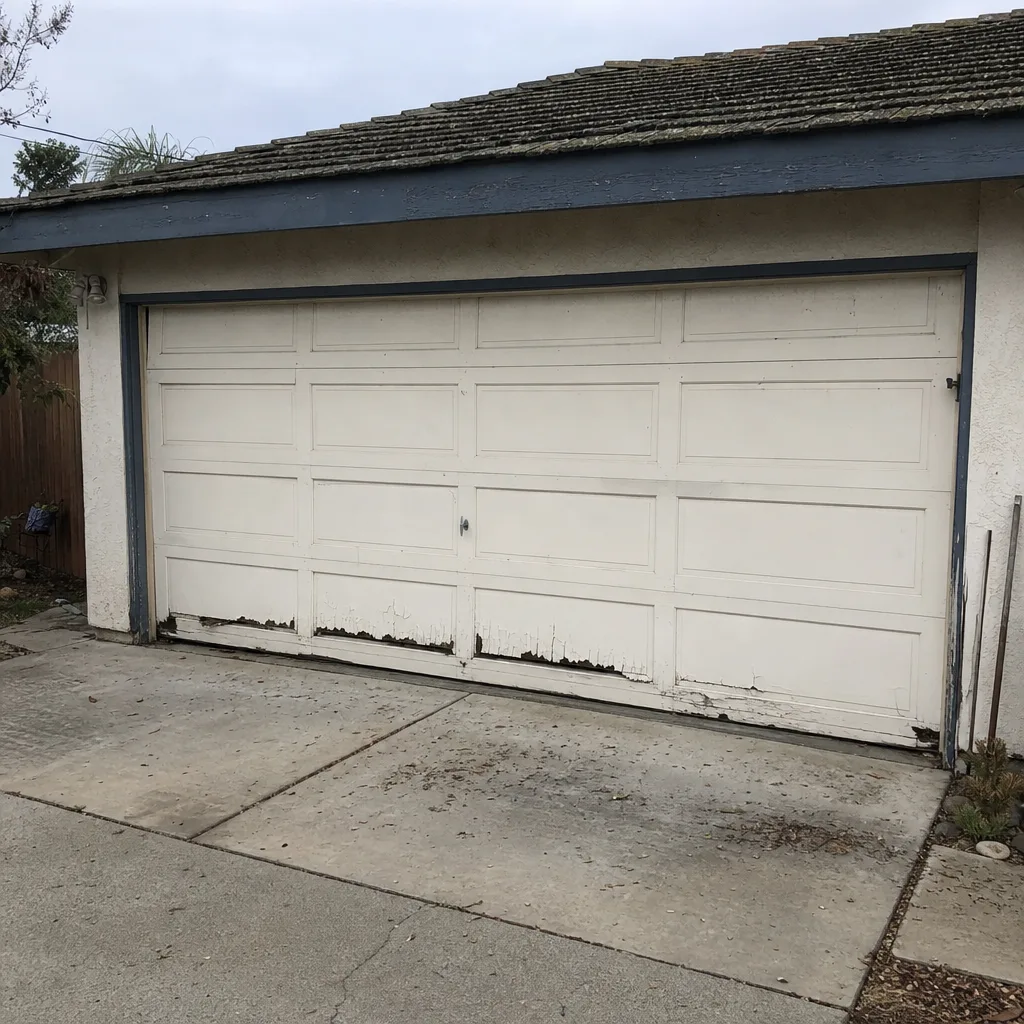
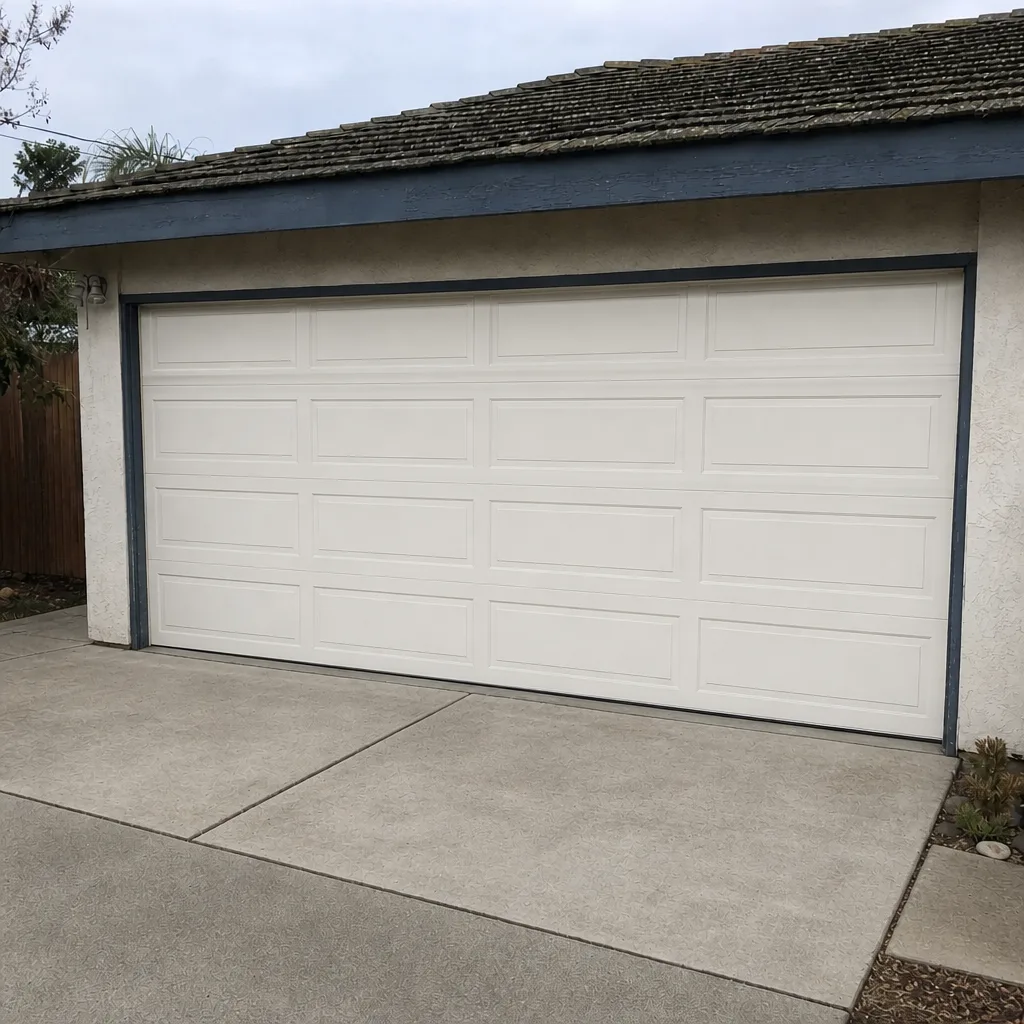
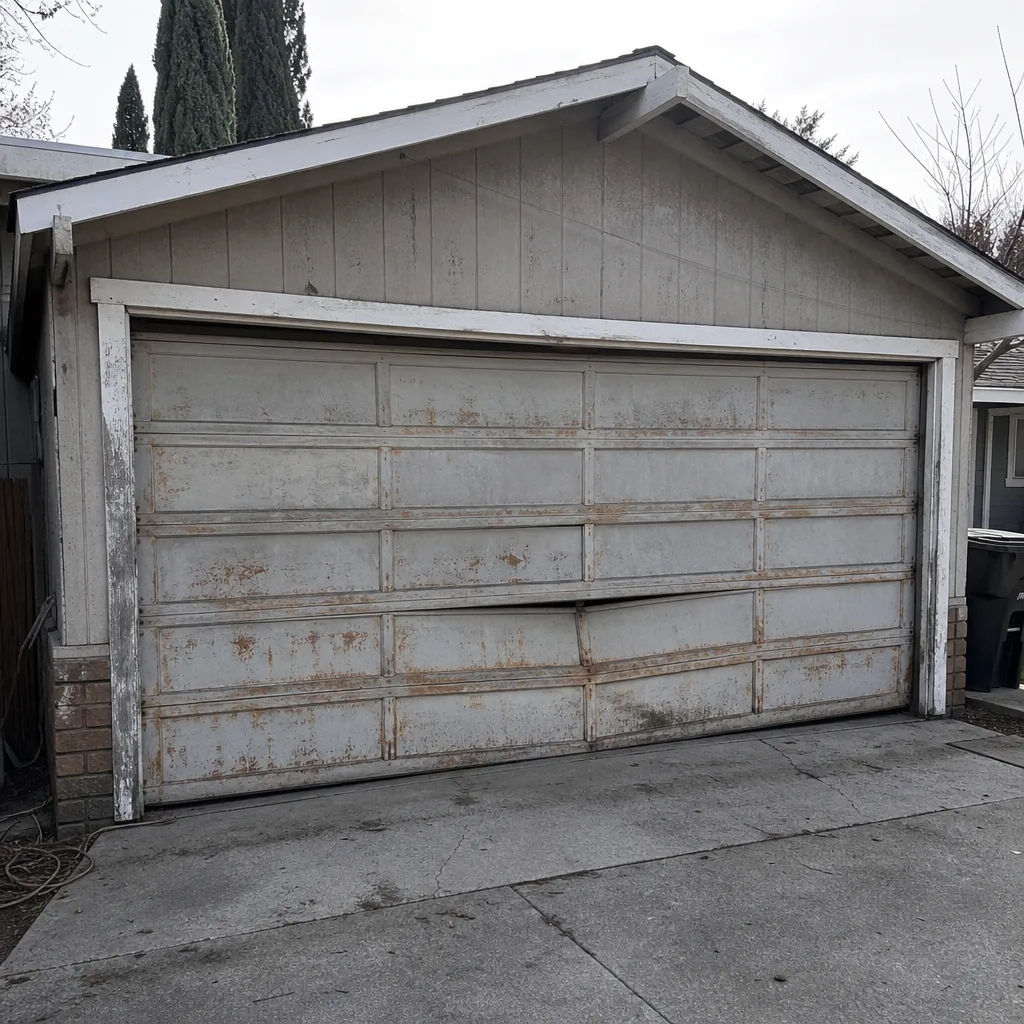
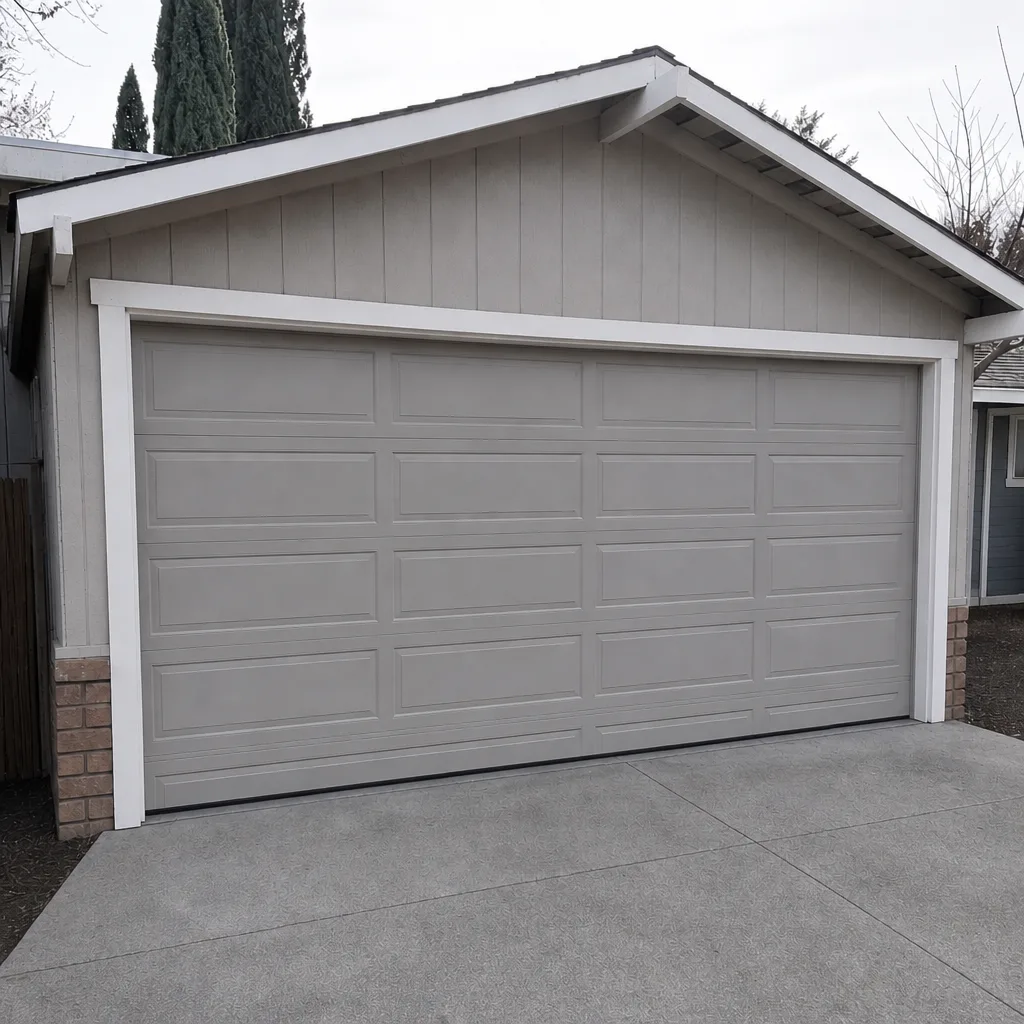
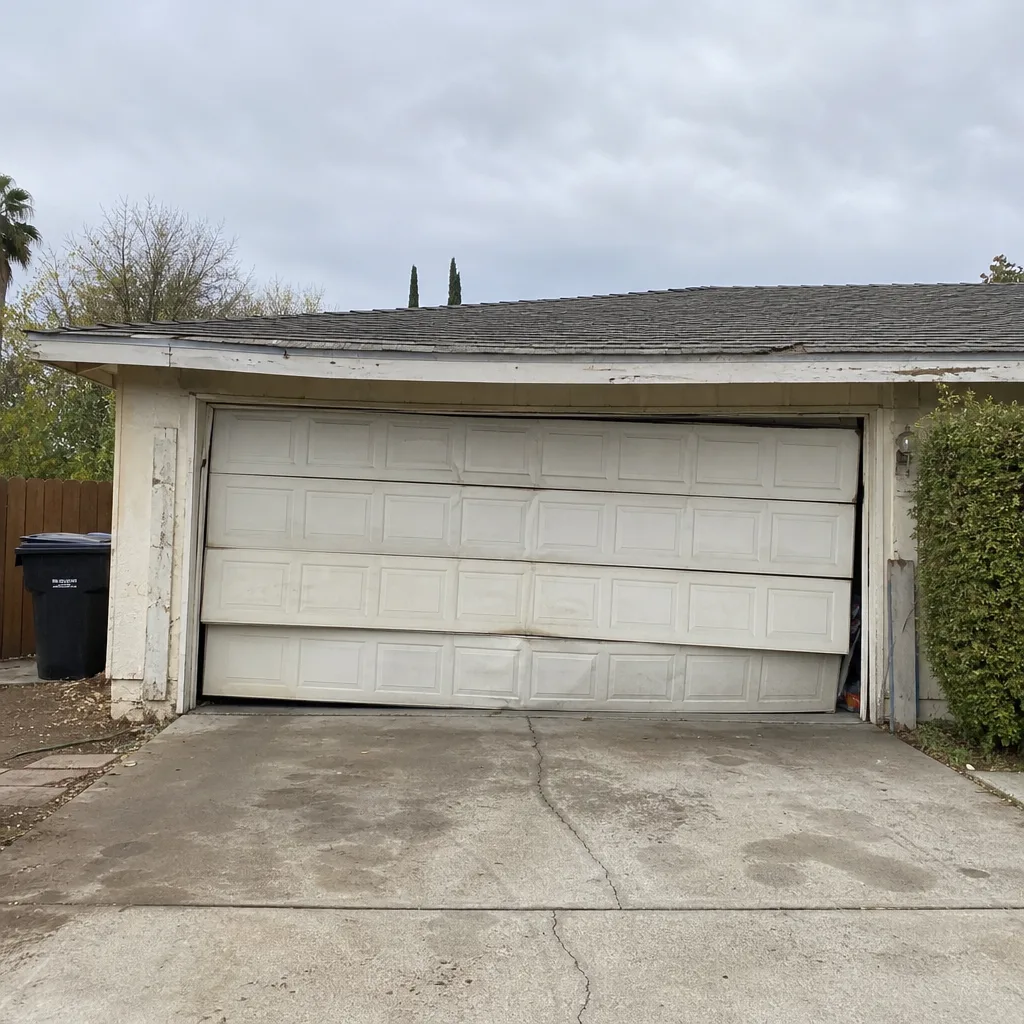
See the difference
 Before
 After
 Before
 After
 Before
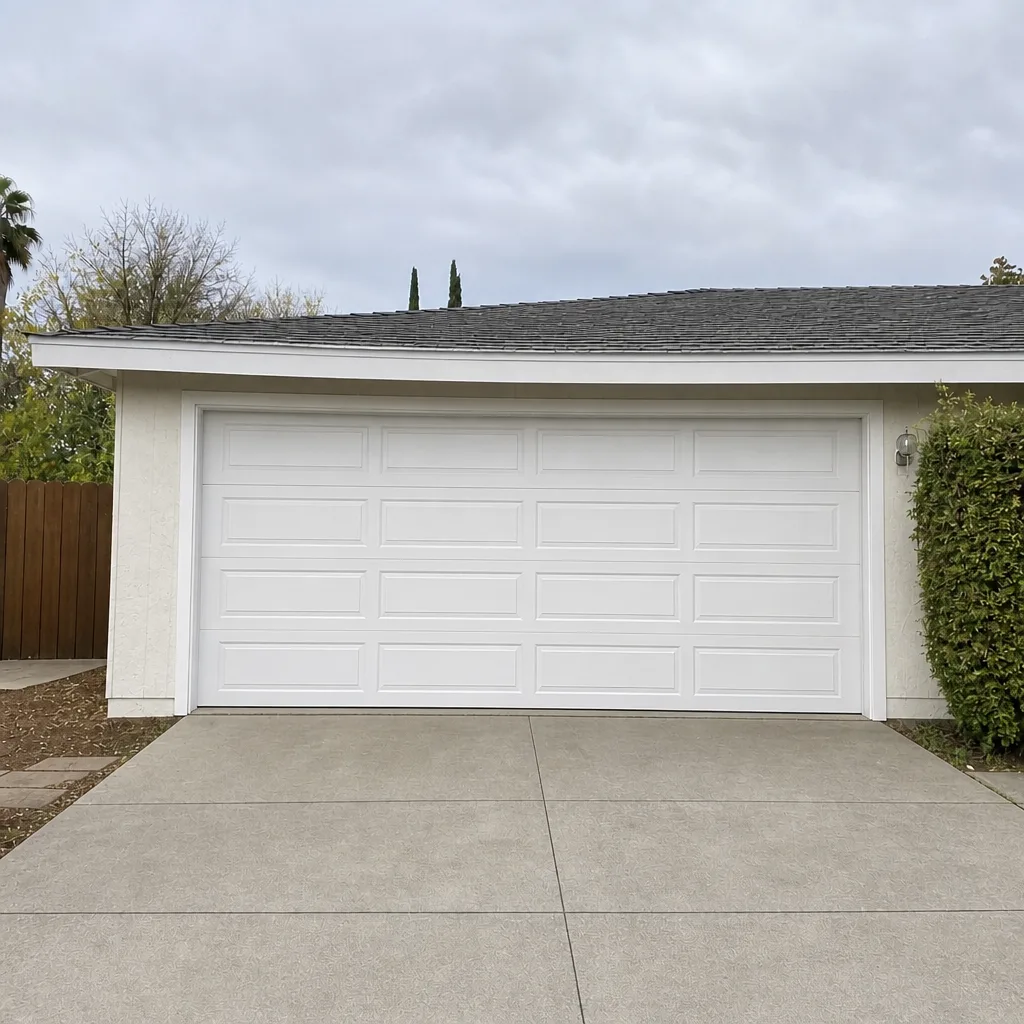 After
When to Call a Professional
Call a professional the moment the problem involves springs, cables, tracks, or anything electrical inside the opener. A broken spring, a snapped cable, a door that’s jumped its track, or a door that won’t stay down are all jobs that require training and the right tools, and they’re genuinely dangerous to handle without both. Call immediately if you hear a loud snap, see a frayed or dangling cable, or notice the door hanging unevenly. Also call if the opener sparks, smells like burning, or runs without moving the door. These aren’t problems to troubleshoot yourself.
Gallant Garage Door Repair offers free estimates in Visalia, and we work on the whole system, the door and the opener, in one visit. If your situation is urgent, call (877) 754-6982. We answer 24/7. Fast dispatch from 7am to 7pm, Sunday through Friday.
Frequently Asked Questions
Pull the manual release cord that hangs from the opener trolley, then lift the door by hand. Close the door fully first, stand clear of the door’s path, and pull the release firmly. A balanced door lifts with modest effort; if it feels extremely heavy, a spring may be broken and you should stop and call a professional.
Yes, if the spring and cables are intact. Lower the door by hand, engage any manual lock, and clamp both vertical tracks just above a roller with C-clamps. Add a wedge or block at the bottom for extra resistance. If the door can’t be lowered safely, close off the opening from inside and call a professional.
Many openers, including LiftMaster and Chamberlain models, need a reset after a power interruption. The safety sensors and logic board may not resume automatically. Check your opener manual for the reset procedure, or press the wall control to cycle the door. If it still won’t respond, a technician can diagnose the cause.
It’s an emergency if a car is trapped, the door is stuck open and the home is unsecured, or the door is in a dangerous state such as hanging off its track. A broken spring, a snapped cable, or anything sparking from the opener also qualifies. Power outages with an intact door are usually manageable with the manual release.
Keep a flashlight with spare batteries, two C-clamps sized to your tracks, a sturdy step stool, a printed copy of your opener manual, work gloves, a small wedge, and a written contact card for your garage door professional. Store it all in a labeled bin in the garage so it’s reachable when the main door is stuck.
Test it at least once a year, and again whenever a new driver joins the household or an opener is replaced. The manual release is mechanical and rarely fails, but the practice is what matters. A household where every driver has pulled the release is prepared for an outage; one where nobody has is not.
The Bottom Line
A garage door emergency in Visalia is almost always manageable if you’ve prepared for it. Practice the manual release with every driver in the house. Keep a small kit in the garage, not the house. Know the difference between a safe temporary fix and a call-now danger. Watch for the warning signs before a failure strands a car. None of this requires special tools or training, just ten minutes of attention before the next outage or breakdown forces the issue. When the problem involves springs, cables, or tracks, stop and call a professional. That’s what we’re here for.
If you’d rather have a specialist check your door and opener before the next power shutoff, call (877) 754-6982 for a free estimate. We answer 24/7. Fast dispatch from 7am to 7pm, Sunday through Friday.
Written by the team at Gallant Garage Door Repair.