
Last updated November 14, 2026
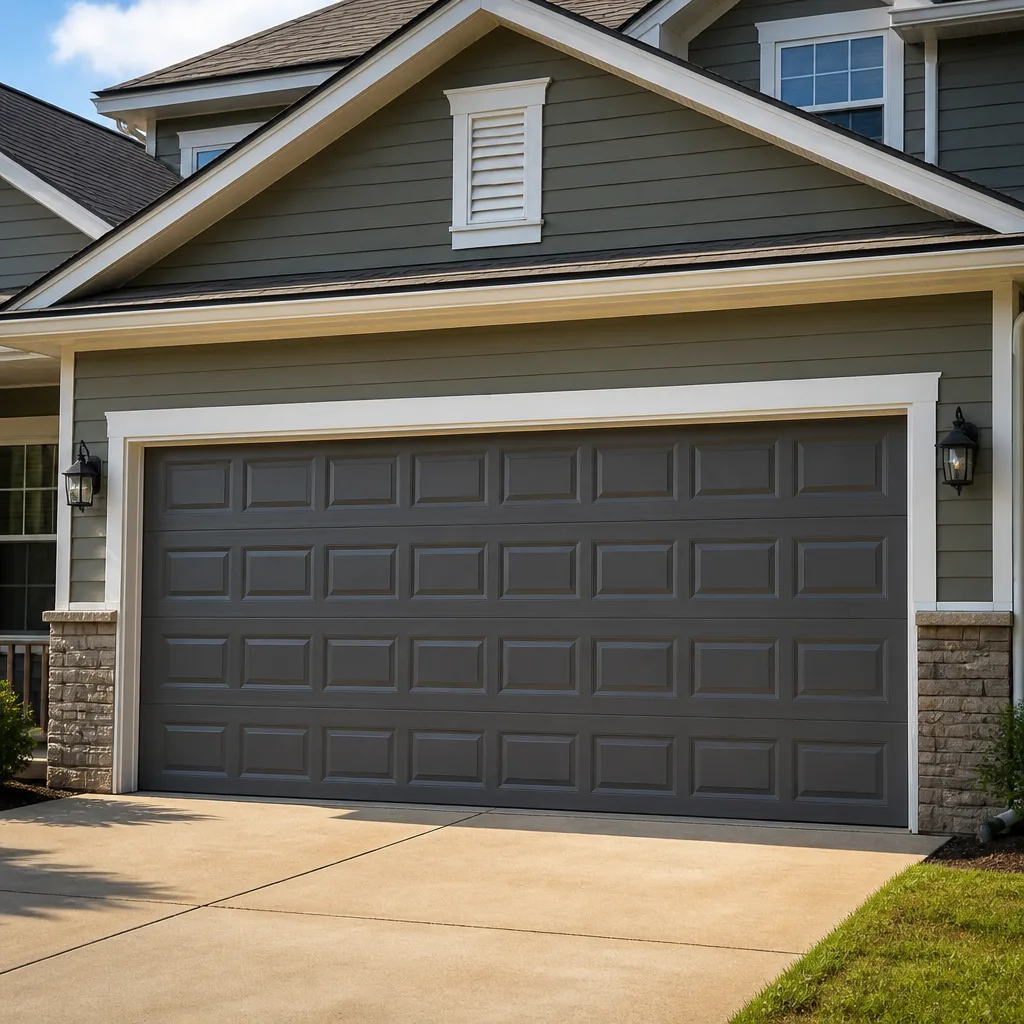 Raised-panel steel
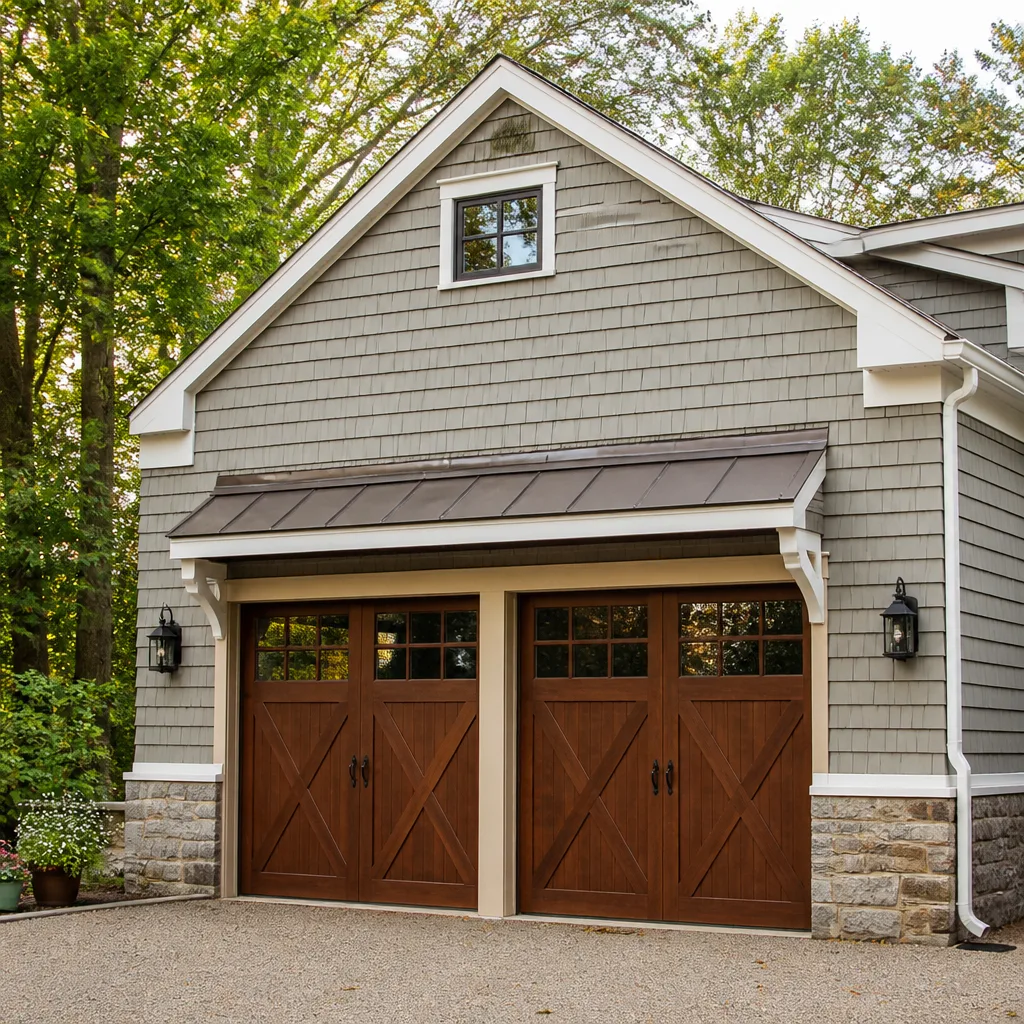 Carriage house
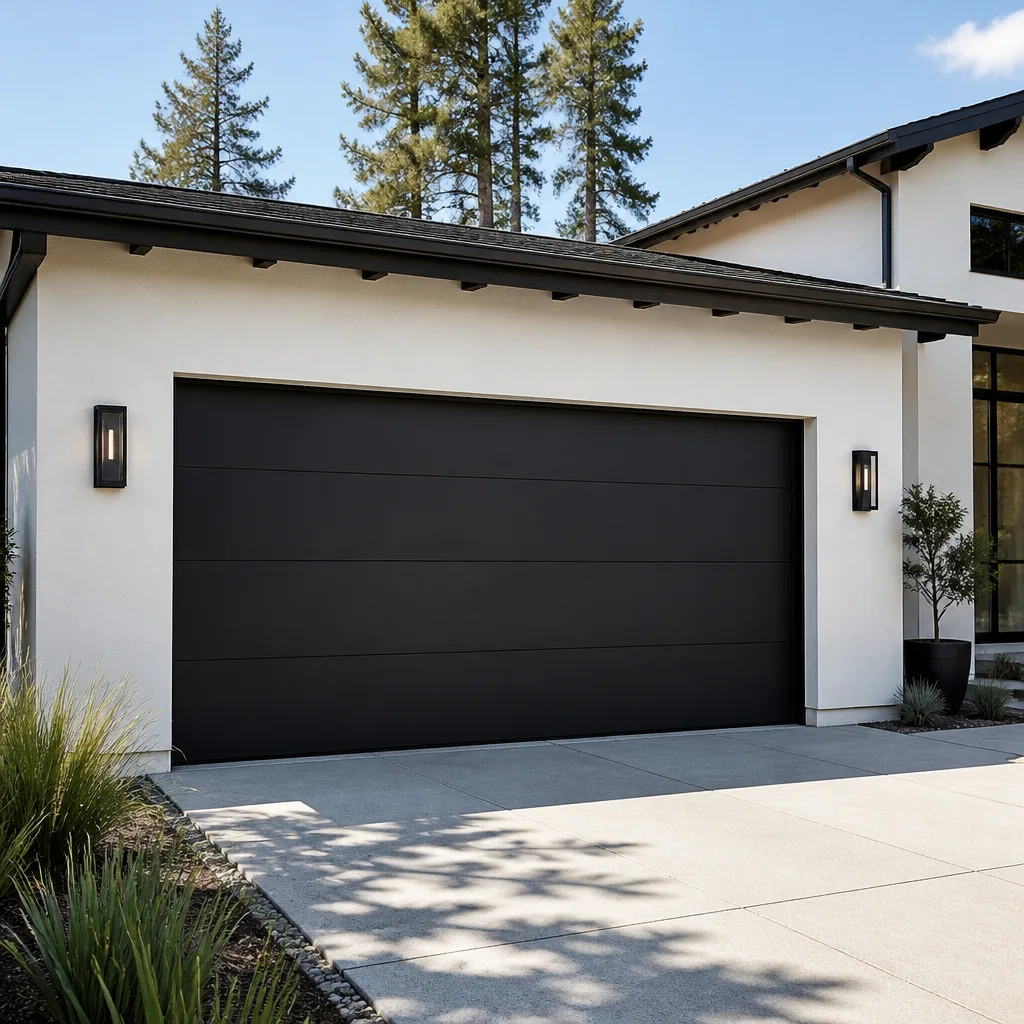 Modern flush
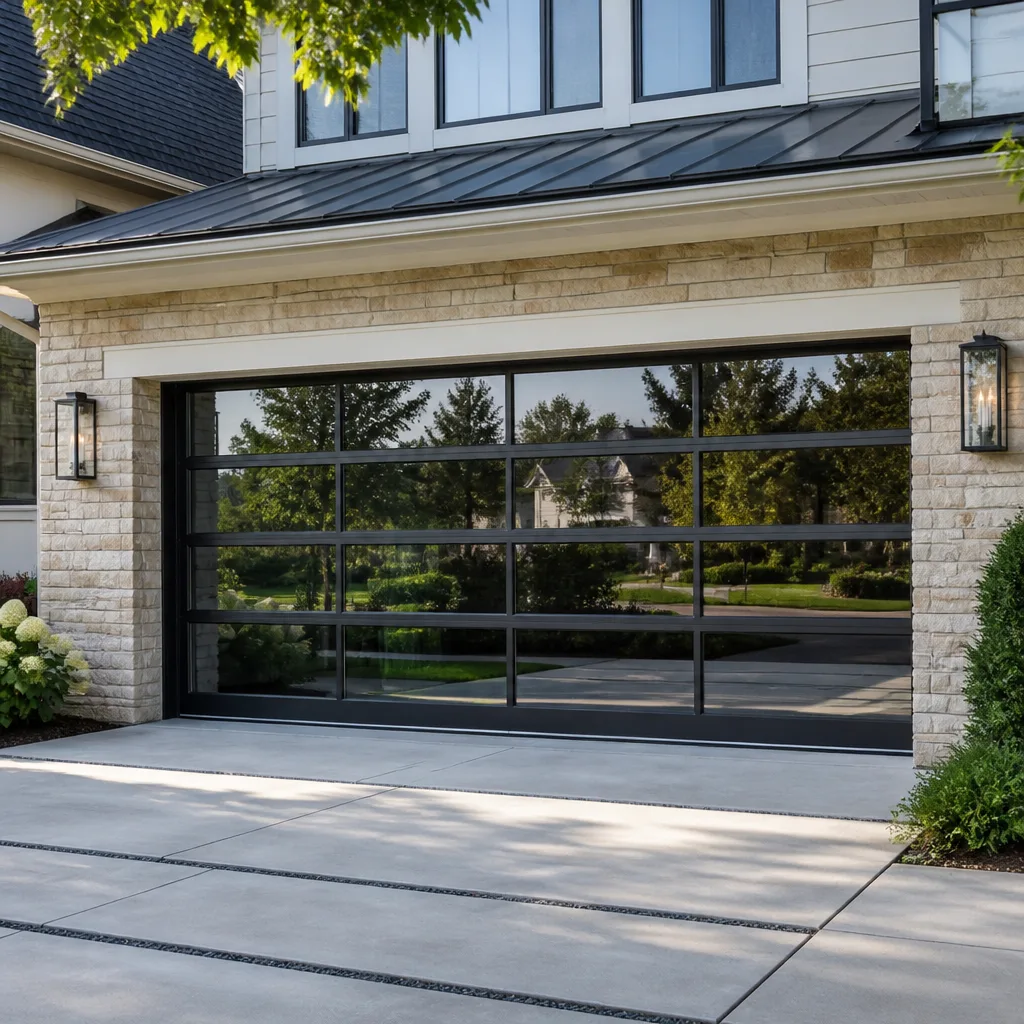 Full-view glass
 LiftMaster openers
 Chamberlain openers
Full 25-point door and opener safety check with every visit - springs, cables, rollers, tracks, and your LiftMaster or Chamberlain opener included
You get a price before we start. It does not change when the pro arrives.
Get your free estimateChoosing the Right Garage Door Brand: A Buyer’s Guide for Visalia
Most homeowners pick a garage door brand the way they pick a car: by the name they recognize. That instinct works against you here. A brand’s national reputation says almost nothing about whether its parts sit on a shelf within reach of Visalia, whether a technician here has ever opened one of its openers, or how long a replacement panel takes to arrive when something fails in August. A manufacturer can be loved in Ohio and frustrating in the San Joaquin Valley because dealer density and distribution networks are not the same everywhere, and no door brochure mentions it.
This guide walks through what actually determines a good garage door decision in Visalia: local parts access, materials built for valley heat, opener compatibility, and the two separate warranties nobody explains clearly. By the end you’ll know what to ask before you sign.
Quick Answer
For most Visalia homes, the right garage door brand is the one with dealer and parts support close enough to get service without long waits, built with steel gauge, insulation, and UV-resistant finishes suited to valley heat, and paired with an opener brand a local technician already knows. In practice that usually points to established residential lines like Clopay, Amarr, Wayne Dalton, or CHI for the door and a technician-familiar opener like LiftMaster or Genie for the drive. The name on the panel matters far less than what happens the first time it needs a part.
Styles & brands we work with
- Raised-panel steel
- Carriage house
- Modern flush
- Full-view glass
- LiftMaster openers
- Chamberlain openers
Table of Contents
- Why Local Parts Availability Beats Brand Prestige
- The One Question to Ask Any Visalia Installer
- Comparing the Leading Door Manufacturers on Valley Criteria
- How Opener Brand Choice Affects You for Years
- Does the Door Brand Need to Match the Opener Brand?
- Manufacturer Warranty vs. Workmanship Warranty
- What Visalia Heat Means for Your Door and Finish
- A Step-by-Step Brand Selection Process
Why Local Parts Availability Beats Brand Prestige
Parts availability decides how a repair feels. It’s the difference between a technician fixing your door in one visit and a homeowner waiting weeks on a factory order while the car sits in the driveway. National reviews never capture this, because a reviewer in another state had a different distribution network serving their street.
Garage door systems fail in specific, predictable ways. Springs snap. Cables fray. Rollers flatten. A panel gets dented by a backed-out car or a bicycle handlebar. In each case the fix needs a part that matches the door’s specifications: spring size and cycle rating, cable gauge, roller type, panel profile, and color. The manufacturer sets those specs, but the local supply chain decides how fast a matching part gets to your driveway.
Three things shape availability in this region:
- Dealer density. A brand with several active dealers in and around Tulare County will have better access to panels, track, and hardware than one with no representation in the Central Valley.
- Regional distribution. Some manufacturers route their West Coast supply through distribution hubs that serve California quickly. Others concentrate inventory in the Midwest or Southeast, which adds days to any special order.
- Common-line manufacturing. Brands that keep core profiles and hardware consistent across their model years make life easier. If your door’s panel is discontinued, the next closest match may not fit your existing sections cleanly.
What this means in practice: a well-known national brand can carry a strong reputation and still leave you waiting for a replacement section. A slightly less famous line with solid West Coast support can get you back to normal in a fraction of the time. The household feels the difference, not the marketing department.
The One Question to Ask Any Visalia Installer
Here’s the question that reveals the real story behind any brand recommendation: “If this specific panel has to be special-ordered, how long does it typically take to arrive, and do you have another model in this line that would fit without waiting?”
That single question does three jobs. It tests whether the installer actually knows the brand’s supply chain or is just repeating a sales sheet. It forces a concrete answer about lead times, which tells you how a future repair will feel. And it reveals whether the installer has thought past the sale, to the years of service ahead.
Ask follow-up questions, too:
- “Which brands do you stock parts for most often?” (Reveals what they actually deal with.)
- “Have you had a warranty claim with this manufacturer recently? How did they handle it?” (Reveals how the warranty process works in practice.)
- “If my opener fails and it’s a brand you don’t normally see, can you still work on it?” (Tests the depth of the technician’s training.)
- “What’s the difference between your installation warranty and the manufacturer’s warranty on this door?” (Catches hand-waving before it becomes a problem.)
- “Walk me through what happens if a panel gets dented two years from now.” (Reveals whether the installer has a real service path or just a sales script.)
A confident, specific answer is a good sign. Vague reassurances like “we’ll take care of it” or “the manufacturer handles all of that” are worth pushing past. In our experience around Visalia, the installers who answer these questions plainly are the ones whose installs hold up. If you’re already dealing with a failing door rather than shopping for a new brand, a professional garage door repair visit will diagnose the actual issue before you spend money on a replacement you may not need.
Comparing the Leading Door Manufacturers on Valley Criteria
Manufacturer marketing focuses on the look of a finished door. What matters here is how a door performs through years of Visalia summers, which routinely push past 100°F and throw intense afternoon sun against west- and south-facing garages. Steel expands, finishes fade or chalk, and insulation does real work keeping the space below cool. Three criteria carry the most weight:
- UV resistance and finish quality. A door baked with a durable factory finish resists chalking and fading through long, hot summers. Paint applied after market often fails faster. Steel gauge and paint adhesion both matter.
- Insulation performance. An insulated door slows heat transfer into the garage, which affects the room above it and the wall shared with the house. Polyurethane and polystyrene cores behave differently, and how the door is built – sandwich construction vs. a frame with a backer panel – changes both thermal performance and weight on the opener.
- Panel steel gauge. A thicker steel gauges better against dents and holds its profile through repeated heat cycles. Thinner steel dents more easily and can show waviness over time.
How each manufacturer approaches these:
- Clopay. Wide range across price tiers, with several insulated lines that hold up well in hot climates. Broad dealer support means parts and warranty service are usually reachable in this region.
- Amarr. Known for solid steel doors with good insulation options and a consistent product line. Parts access in the Central Valley is generally good.
- Wayne Dalton. Offers insulated models and distinctive door styles, with a dealer network that serves many West Coast markets. Panel availability depends on dealer stock.
- CHI. Recognized for heavier-gauge steel and strong build quality, with a dealer-focused supply chain. A solid choice when a local installer stocks parts.
None of these lines is universally “best.” The right pick is the one where a Visalia installer can source parts, service the door, and honor the warranty without friction. When you’re ready to move from comparison to installation, a garage door installation conversation should include lead times on your specific model, not just a catalog photo.
How Opener Brand Choice Affects You for Years
The opener brand you choose shapes the everyday feel of the door: how quiet it is, whether it works with your phone, whether it runs on a backup battery during an outage, and whether a technician can service it five years from now. Those factors matter more than the label on the front of the motor housing.
Smart home compatibility. Most modern openers connect to a phone app, but the depth of that integration varies. LiftMaster and Chamberlain (both under the same parent) share strong smart features and myQ app connections. Genie offers its own app and works with common smart home platforms. Craftsman openers – many built on Genie or Chamberlain platforms – vary widely by model year, so checking the exact unit matters more than the badge.
Battery backup. When the power goes out in Visalia, a battery-backup opener keeps you from manually lifting a heavy door. Some manufacturers offer backup as standard on certain lines and as an add-on on others. If power reliability is a concern on your street, that’s a feature worth choosing by brand and model.
Long-term part sourcing. Openers fail in predictable places: logic boards, drive gears, belt or chain, safety sensors, and remotes. Older Craftsman units in particular can be hard to match with new remotes if the model is long discontinued. LiftMaster and Genie have broad part availability. If your opener is more than a decade old, ask a technician whether the model is still supported before investing in repairs.
When an opener is unresponsive, grinding, or dead, the fix often sits in one of those few failure points. A dedicated garage door opener repair call can tell you whether you’re looking at a $15 sensor realignment or a logic board replacement, which is a very different decision from buying a new opener.
Does the Door Brand Need to Match the Opener Brand?
No. The door and the opener don’t have to share a brand name, and in most homes they don’t. A Clopay door with a LiftMaster opener is a perfectly normal, well-functioning combination. What matters is that each part is matched to its job and that a technician can service both.
A few practical points:
- Opener sizing follows door weight. An insulated door is heavier than a basic uninsulated one. Match the opener’s lifting capacity to the door’s weight and balance, or the motor works harder and lasts a shorter time.
- Smart features come from the opener, not the door. The door is a mechanical system. Every connected feature – app control, auto-close, status alerts – comes from the opener. Choose the opener for the features you want.
- Local service matters more than matching. A technician works on the door hardware (torsion or extension springs, cables, hinges, rollers, track) and separately on the opener (motor, logic board, sensors, remote pairing). It helps when the same company is fluent in the brands you own across both categories – doors like Clopay, Amarr, Wayne Dalton, and Raynor, and openers like LiftMaster, Chamberlain, Genie, and Craftsman. One visit solves the whole problem instead of a handoff.
- Warranty terms can be separate. The door’s finish, hardware, and panel warranties typically come from the manufacturer. The opener has its own warranty on the motor, electronics, and accessories. Treat them independently.
The best rule: match the door to how you use the garage, and match the opener to what a technician near you can service. A well-balanced door on a correctly sized opener runs quieter and lasts longer than either component running on its own merits alone.
Manufacturer Warranty vs. Workmanship Warranty
Two warranties protect your door, and you have to evaluate both. The manufacturer warranty covers defects in the door’s materials and the opener’s components. The workmanship warranty covers the installation – how the door was set, balanced, secured, and wired by the person who hung it. A good manufacturer warranty on a poorly installed door still leaves you with a problem no factory will fix.
Here’s what to look at for each:
The manufacturer warranty
- What’s covered, in plain language. Ask which parts are covered (panels, hardware, springs, finish) and for how long each. Springs often carry a shorter warranty than the door panels.
- Finish versus structural coverage. Fading and chalking may fall under a separate finish warranty that excludes ordinary sun exposure. Read the wording on the finish section carefully in a valley climate.
- Parts-only vs. parts-and-labor. Many manufacturer warranties cover the replacement part but not the labor to install it. That distinction shapes the real cost of a claim.
- Registration requirements. Some warranties require you to register the product. Keep the paperwork and confirm the process with your installer.
The workmanship warranty
- What counts as a defect. A door that’s out of balance, off track, or improperly wired points to installation. Make sure the warranty says plainly that installation defects are covered.
- How long it runs. Workmanship terms range widely across installers. Ask for the number in writing before you sign, and don’t accept a verbal promise.
- Service expectations. Ask what the typical response looks like if something fails within the term, and whether the installer handles the manufacturer claim for you.
- Transferability. If you plan to sell the house, a transferable warranty can be a modest selling point. Ask.
The short version: pick a brand with a manufacturer warranty you can actually use and an installer whose workmanship warranty is real and documented. A free written estimate should include both terms spelled out, so you’re comparing like for like.
What Visalia Heat Means for Your Door and Finish
Visalia sits in the San Joaquin Valley, and the summers here are the hardest part of the door’s life. Long stretches above 100°F, intense sunlight on a west-facing garage, and dry air all put stress on paint, seals, and moving parts. That heat exposure is the single best reason to pay attention to door material and finish, not just to style.
A few things heat does to a garage door over time:
- Fades and chalk. Cheaper finishes lose color under sustained sun. Factory-baked finishes hold up better than repainting, especially on south- and west-facing doors.
- Wear on seals. Weatherstripping and bottom seals dry out faster in hot, dry conditions. Replacing a $20 seal annually is easier than dealing with pest intrusion or wind-driven dust.
- Thermal expansion. Steel panels expand and contract. Warm-weather doors can show small gaps in extreme heat that close back up overnight. A door that’s slightly out of adjustment makes this worse.
- Lubrication need. Heat dries out grease on hinges, rollers, and springs faster. An annual lubrication routine is one of the highest-value things you can do for a door in Visalia.
Insulation plays a bigger role here than it does in cooler climates. The garage shares at least one wall with the house, and often a ceiling with a room above. A well-insulated door keeps that shared space cooler and takes pressure off the air conditioning. In the heat, that’s a real difference in comfort and in energy bills, not just on paper.
For anyone weighing whether an existing door should be upgraded or repaired, the operating question is whether the current door can be brought back to quiet, well-balanced operation. A Visalia homeowner usually knows within a couple of professional visits whether repair is enough. The brand matters less than the door’s condition and how often it gets used.
A Step-by-Step Brand Selection Process
Here’s a repeatable way to choose a garage door brand without getting lost in marketing copy. It works whether you’re replacing a failing door or upgrading a working one.
- Define how you use the garage. Just car storage and a laundry room? A builder-grade uninsulated door may be fine. A workshop, a gym, or a room above the garage? Insulation and photo finish start to matter. Write down what actually uses that space.
- Set a rough budget range first, not last. Brand comparisons are meaningless without a number. A written estimate for a typical installation in this market will land in a broad range depending on door size, insulation, windows, and opener. Get two to three written estimates so you can compare like for like.
- Ask the local availability question. For each brand you’re considering, ask the installer: “If this panel has to be special-ordered, how long does it usually take, and what’s your backup?” The answer tells you more than any brochure.
- Confirm the opener plan. Decide whether you’re keeping your existing opener, upgrading it, or buying new. If you’re keeping it, confirm it’s rated for the new door’s weight. If you’re buying new, ask which opener brands that installer works on regularly.
- Read both warranties side by side. Manufacturer materials and installer workmanship. Get the terms in writing, along with the name and contact for warranty service.
- Ask about the door’s finish warranty specifically. In this climate, finish is where most complaints accumulate. Confirm what the finish warranty actually covers.
- Schedule the measure before ordering. A precise measurement is the step that prevents the “it doesn’t fit” problem. Nothing should be ordered until someone has been on site and confirmed the opening, headroom, and side room.
That process takes an afternoon or two and saves hours of follow-up calls later. If the current door is still functional but the opener is flaking out, we’d suggest diagnosing the opener first. Fixing what’s failing is usually cheaper than replacing everything at once.
Common Mistakes to Avoid
- Choosing by brand recognition alone. A big national name doesn’t guarantee a fast local fix. Always ask about parts availability for the specific model, not the general product line.
- Ignoring the opener when buying a new door. A new insulated door is heavier than an older uninsulated one. Keeping an undersized old opener shortens its life and makes the door louder.
- Not separating warranty types. Manufacturer and workmanship warranties cover different things. If an installer can’t explain both clearly, that’s a signal worth noticing.
- Assuming a top model means top insulation. Insulation varies within a single brand’s line. Ask about R-value-equivalent performance, core material (polyurethane vs. polystyrene), and door weight, not just the tier name.
- Ordering before a site measurement. Opening height, headroom, and low-clearance conditions change what fits. Skipping the measure is the most common cause of installation delays.
- Letting the finish warranty slide. Valley sun eats finishes faster than most climates. If the finish warranty excludes ordinary sun exposure, that’s an important caveat to know before you buy.
- Not asking who services the door after the install. The installer who sells you the door isn’t always the one who shows up for repairs. Confirm the service path before you sign.
See the difference
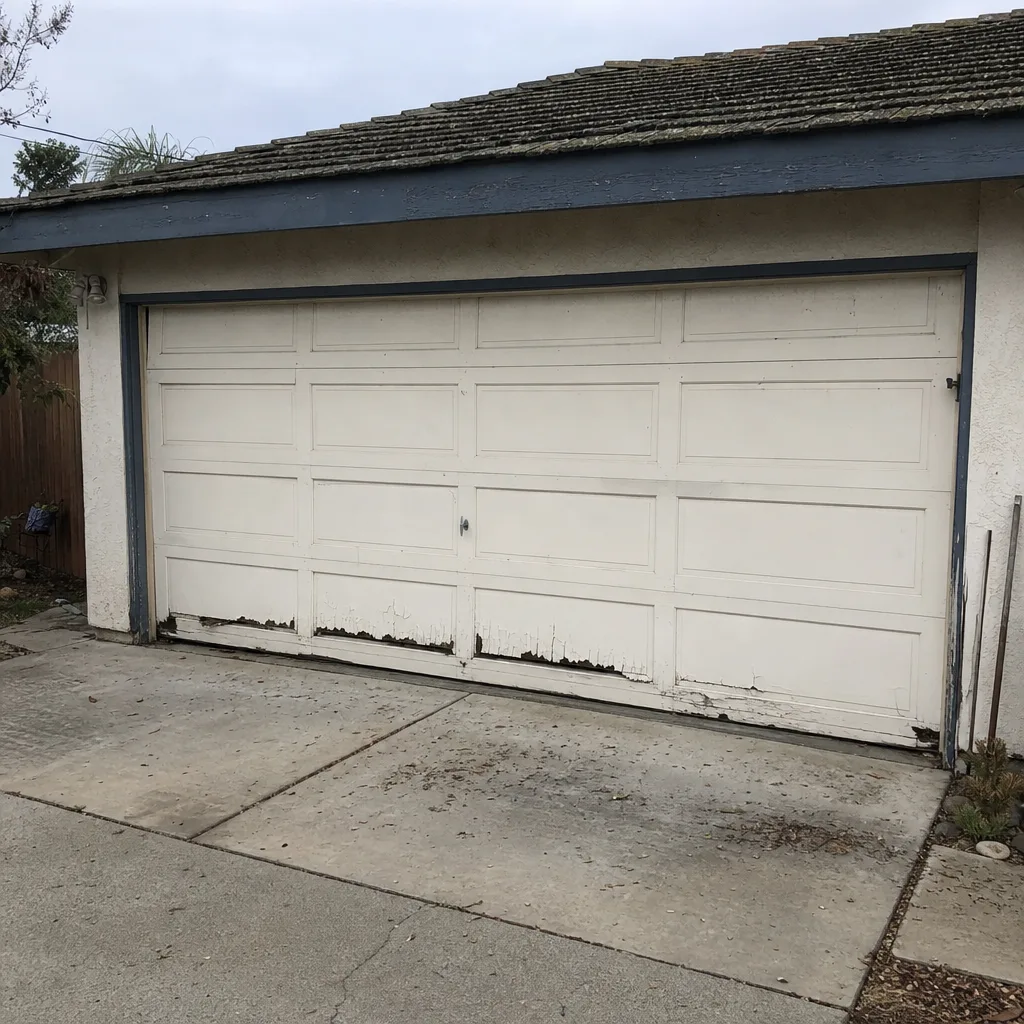 Before
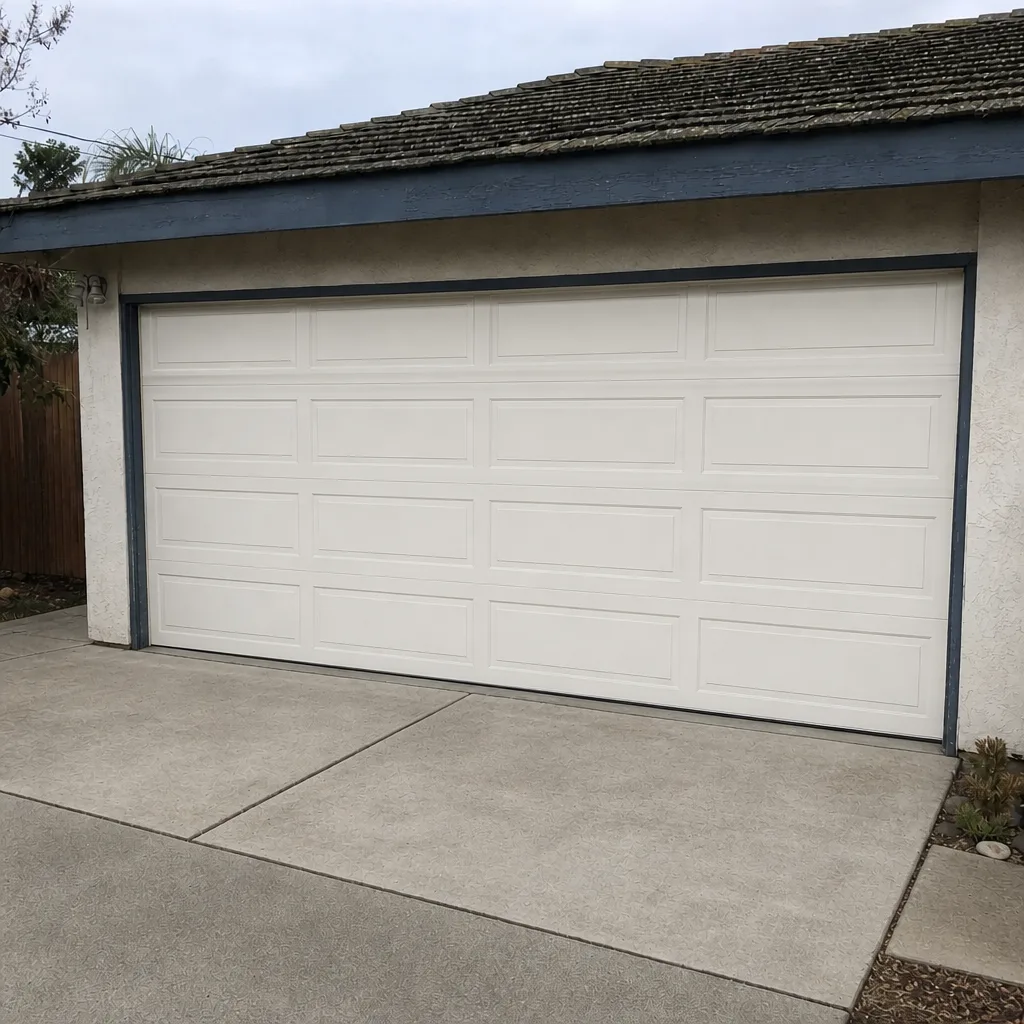 After
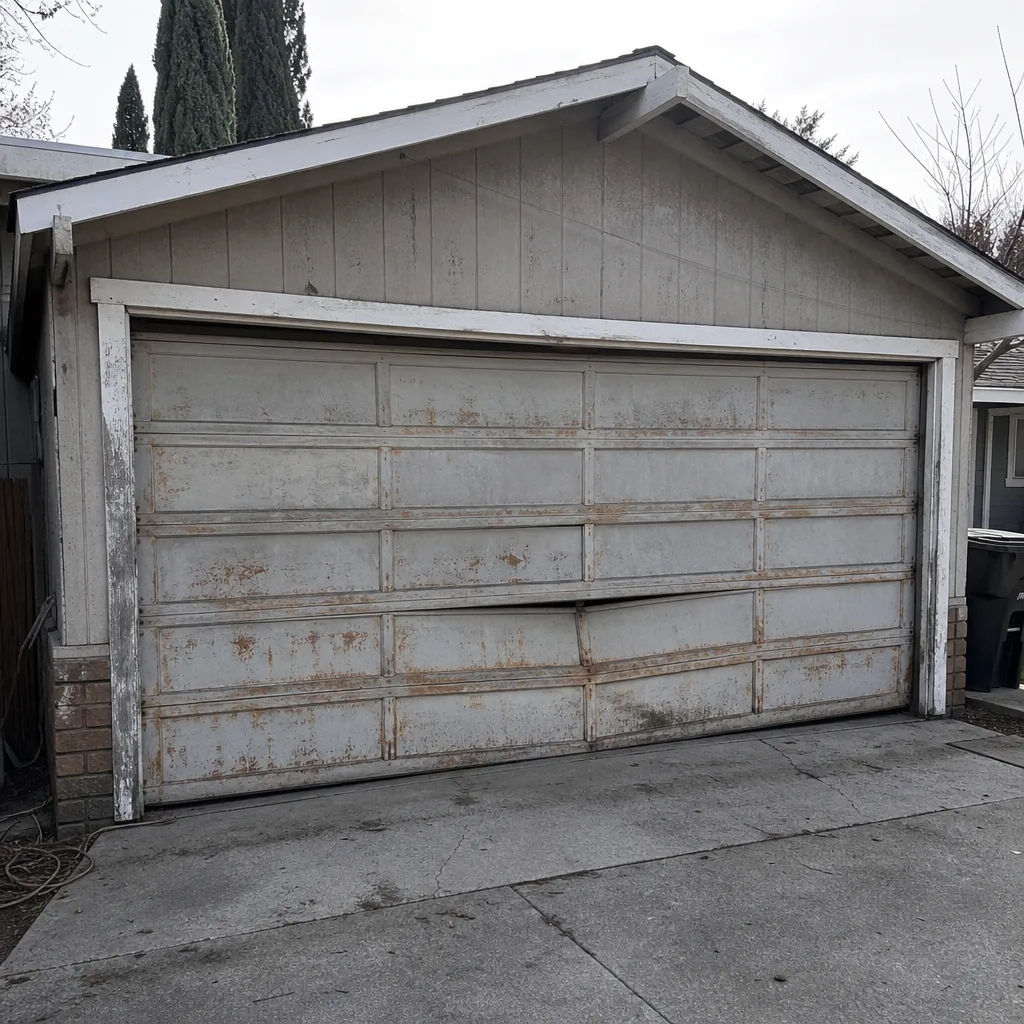 Before
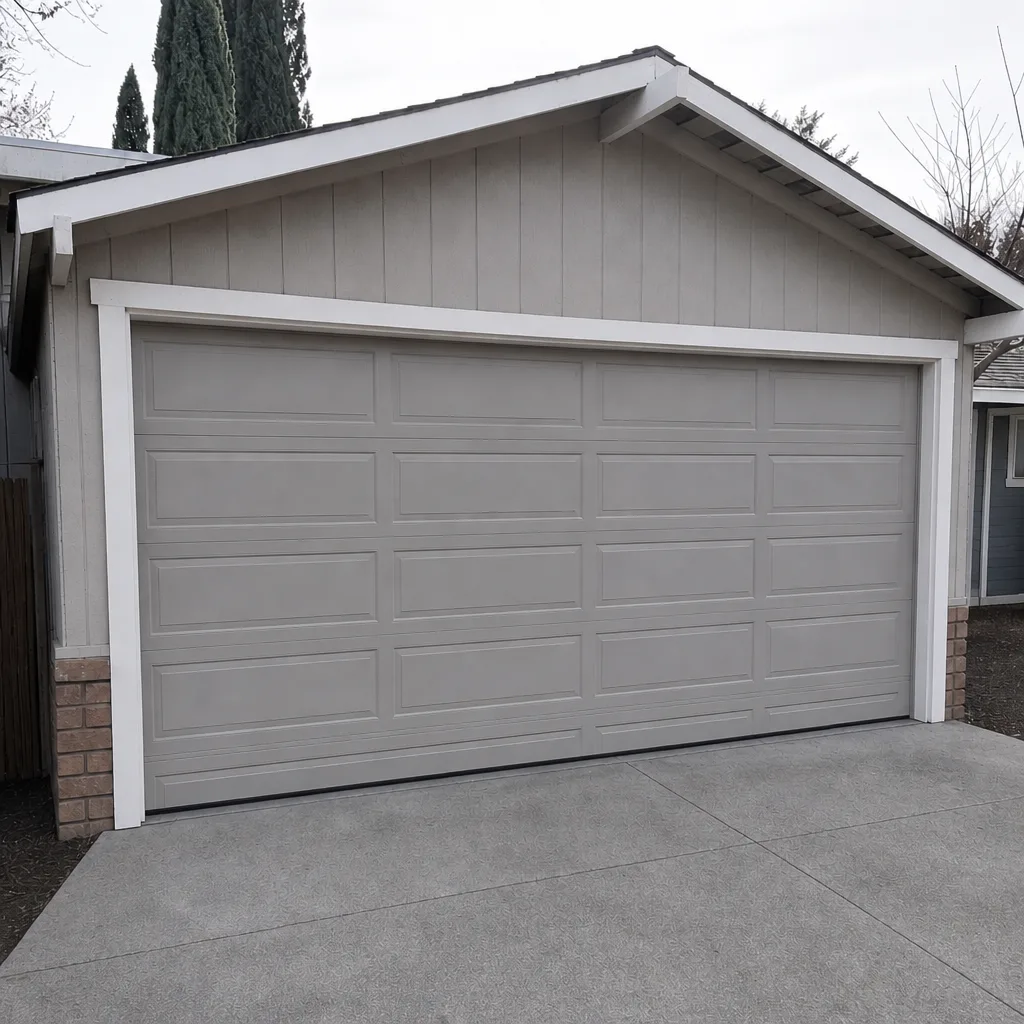 After
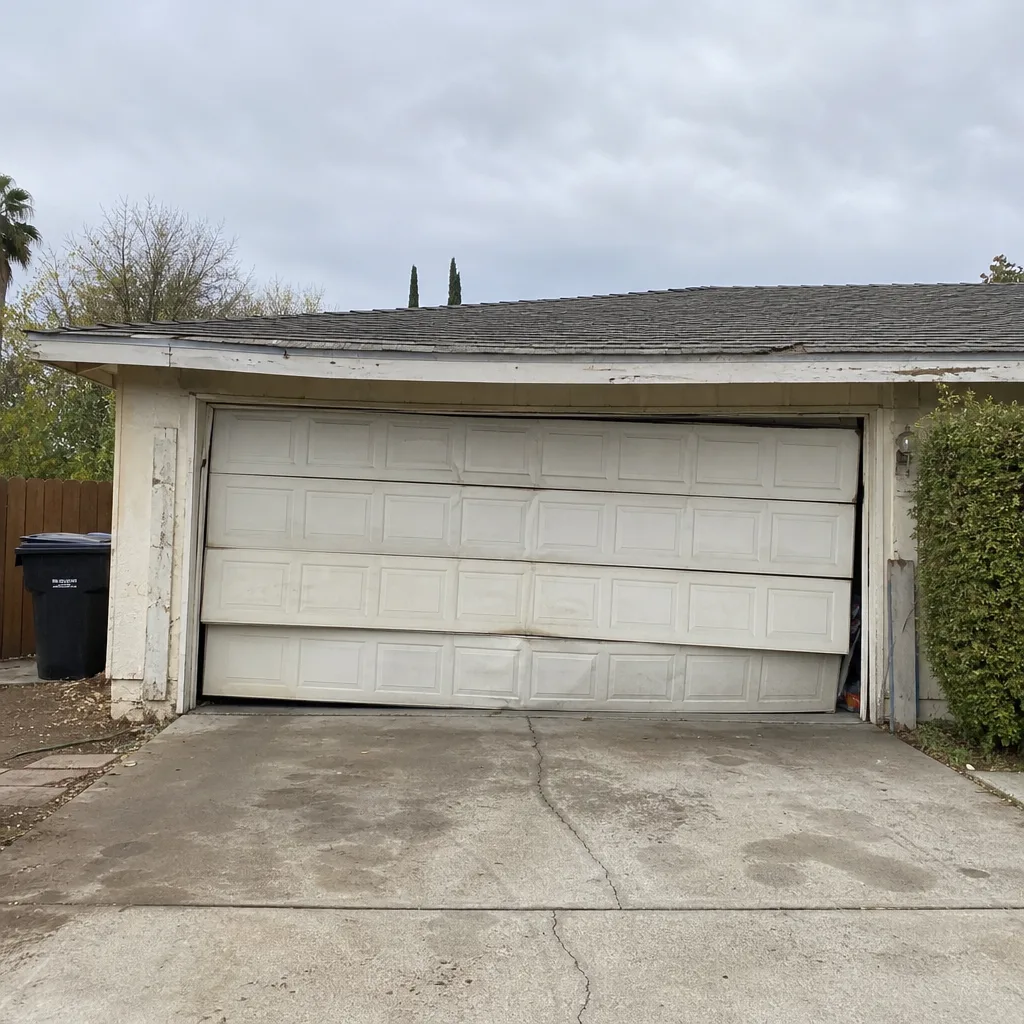 Before
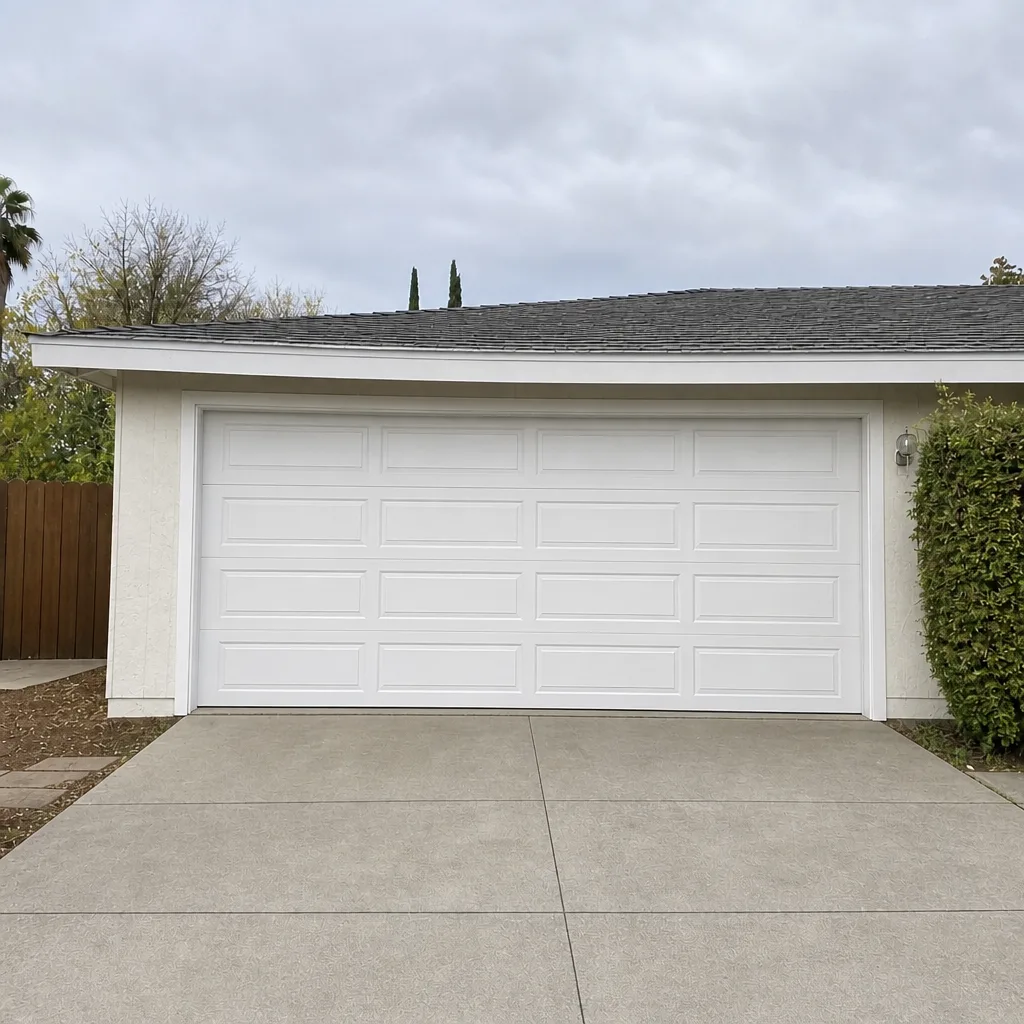 After
When to Call a Professional
Some garage door work is a clear job for a trained technician. A broken torsion spring is the most common example: the spring holds enormous stored energy, and attempting to replace it without the right tools and technique is genuinely dangerous. The same applies to cables under tension and to the opener’s high-voltage wiring. For electrical panel work or gas lines, call a licensed electrician or plumber, not a garage door company.
Call a garage door professional when:
- The door won’t open at all, or opens a few inches and stops
- The door closes unevenly or reverses on its own
- You hear grinding, popping, or a loud bang from the door area
- The opener runs but the door doesn’t move
- A spring or cable looks broken, frayed, or loose
- You’re planning a new door installation and need a proper measure before ordering
Our technicians have up to 8 years of experience across doors and openers, and we work on the door and the opener as one system. Gallant Garage Door Repair offers free estimates in Visalia. Call (877) 754-6982. We answer 24/7. Fast dispatch from 7am to 7pm, Sunday through Friday. Closed Saturday. Estimates are free and the price is set by a written quote before any work starts.
Frequently Asked Questions
For most homes here, the best brand is the one with strong local parts support and a finish built for hot, sunny summers, paired with an opener a technician can service. In practice that’s often a well-established residential line like Clopay, Amarr, Wayne Dalton, or CHI. The name matters less than local availability. Call (877) 754-6982 for a free written estimate on your specific door and opener.
No. A Clopay door with a LiftMaster opener is a normal combination, and most homes mix brands. What matters is that the opener is rated for the door’s weight and that a technician works on both. Gallant Garage Door Repair is fluent in door brands like Amarr, Wayne Dalton, and Raynor, and opener brands like LiftMaster, Chamberlain, Genie, and Craftsman. Call (877) 754-6982 to book a free estimate.
Ask the installer directly: “If this panel has to be special-ordered, how long does it usually take, and do you have another model in this line that would fit without a wait?” A clear, specific answer means they know the supply chain. A vague one means you’ll find out the hard way later. We’re happy to talk through the availability picture for the brands we install. Call (877) 754-6982.
Pricing depends on door size, insulation, window options, opener choice, and finish. A written estimate is the only accurate number, and we give one for free. Once we’ve measured the opening and confirmed the model, the price is quoted and agreed before any work starts. Call (877) 754-6982 for your written estimate.
For most homes, yes. An insulated door slows heat transfer into the garage, which matters because the garage shares walls with the house. If you have living space above the garage, insulation of the door helps keep that space cooler. The specific performance depends on the door’s core material and construction. Call (877) 754-6982 to discuss your options.
Older Craftsman units can be tricky to match with new remotes if the model is discontinued, but many are still serviceable. A technician can confirm whether parts are available or whether replacement makes more sense. Don’t buy a new opener before a diagnosis. Call (877) 754-6982 for a free estimate and conversation.
The Bottom Line
The right garage door brand isn’t the one with the biggest name. It’s the one whose parts reach your street quickly, whose finish survives valley sun, whose warranty actually covers what goes wrong, and whose installer answers a plain question with a plain answer. Local availability beats national reputation almost every time. Insulation and steel gauge beat style in this climate. The opener brand matters as much as the door, and the two don’t have to match – but a technician who knows both does.
Get two or three written estimates. Ask the availability question. Read both warranties. And when you’re ready, we’re a phone call away: (877) 754-6982. We answer 24/7. Fast dispatch from 7am to 7pm, Sunday through Friday. Closed Saturday. Estimates are free.
Gallant Garage Door Repair is a dedicated specialist – repair, opener repair, and installation, all under one roof. Learn more about Gallant Garage Door Repair and how we work.
Written by the team at Gallant Garage Door Repair.