
Last updated November 14, 2026
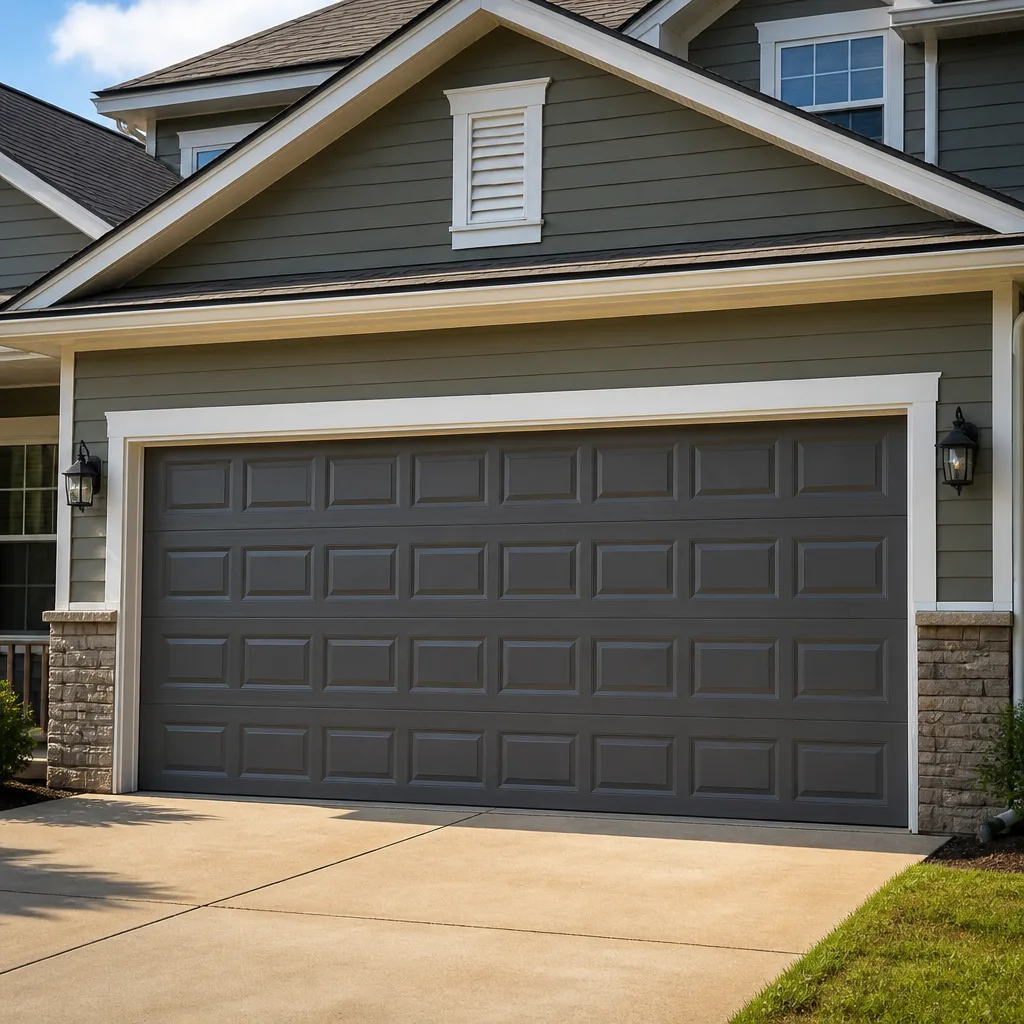 Raised-panel steel
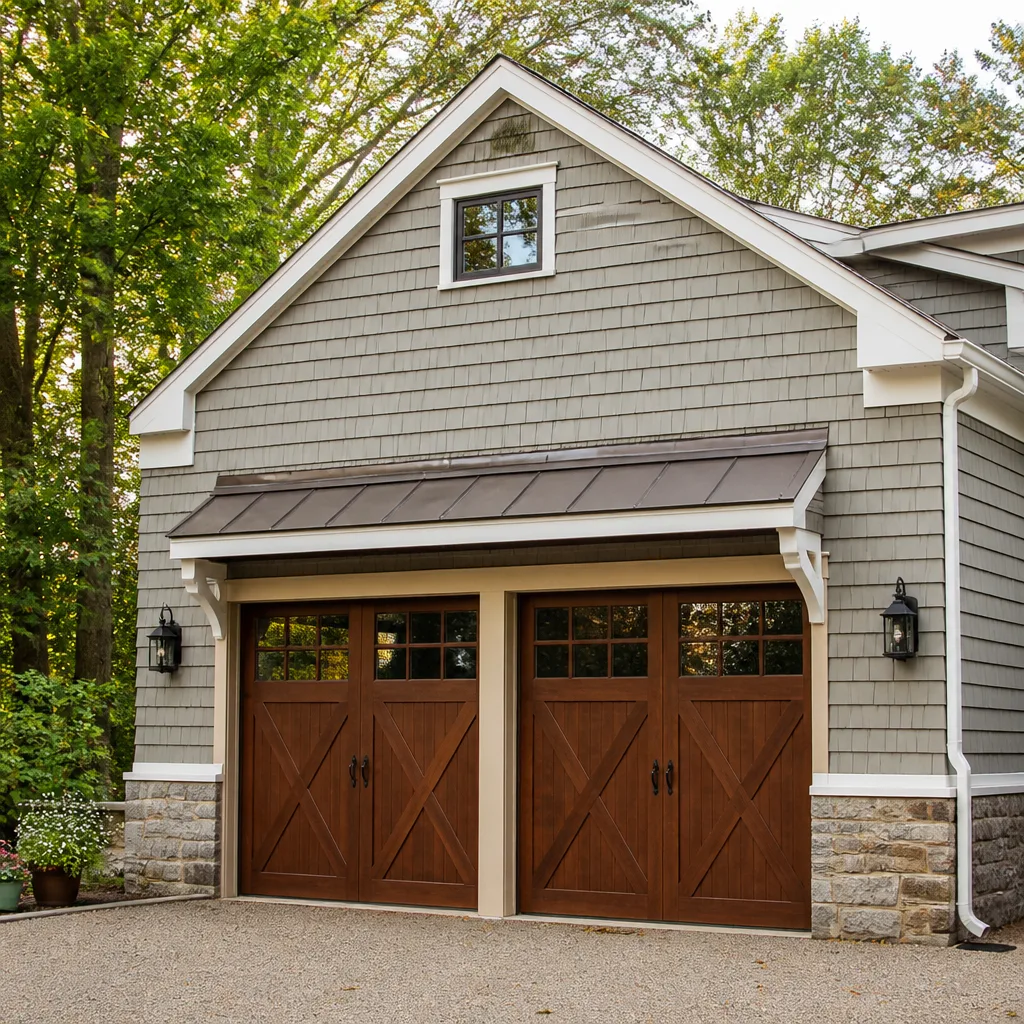 Carriage house
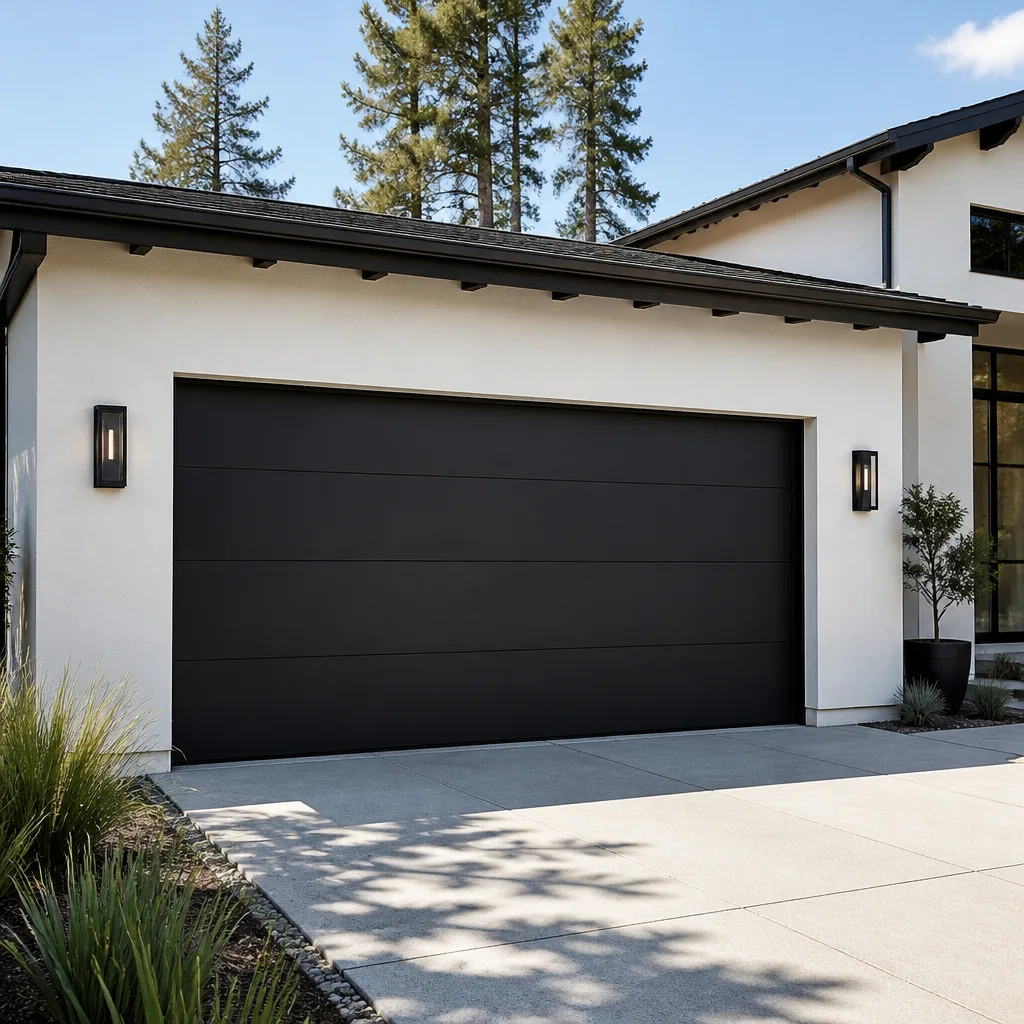 Modern flush
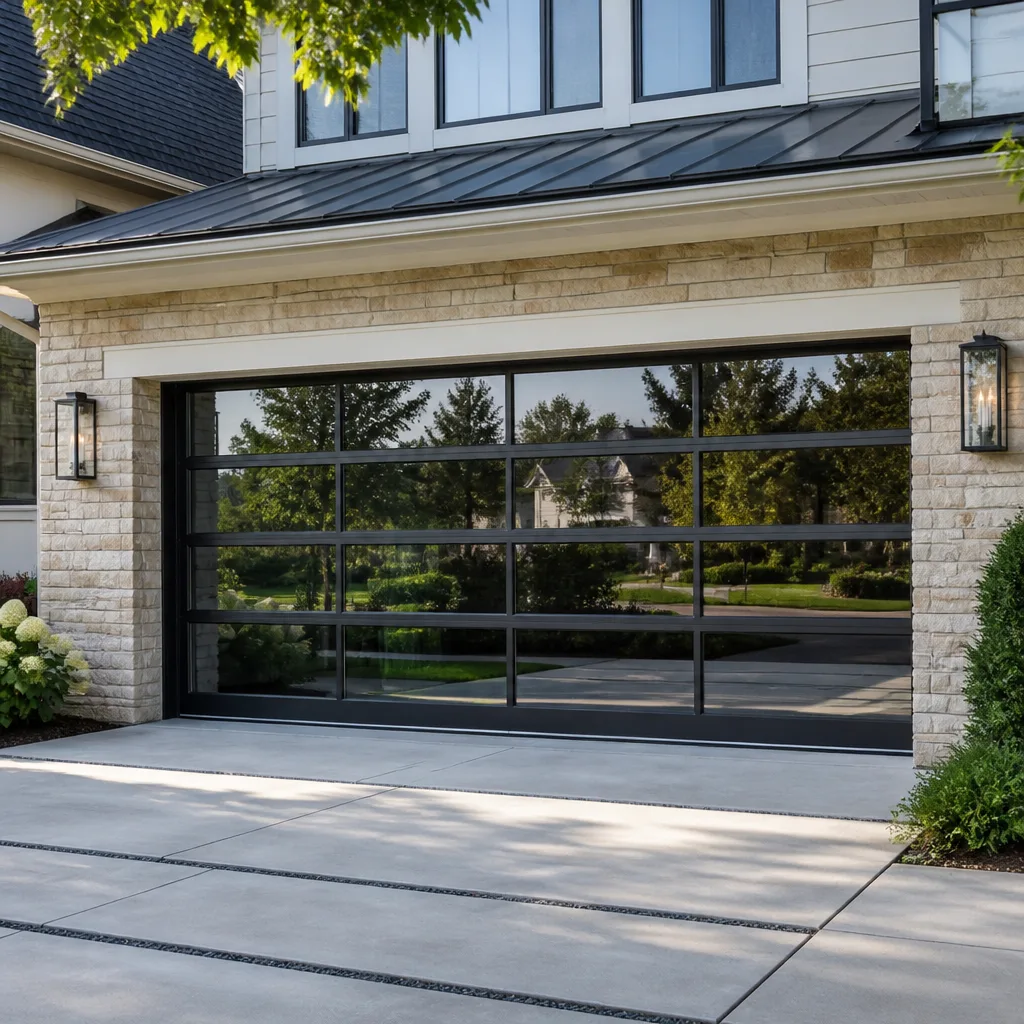 Full-view glass
 LiftMaster openers
 Chamberlain openers
Full 25-point door and opener safety check with every visit - springs, cables, rollers, tracks, and your LiftMaster or Chamberlain opener included
You get a price before we start. It does not change when the pro arrives.
Get your free estimateGarage Door Warning Signs: A Visalia Homeowner’s Reference Guide
A garage door that hesitates for half a second before it moves is not “just getting old.” That pause is a specific symptom with a short list of causes, and some of them will produce a complete failure within the week if you ignore them. Most garage door failures we diagnose in Visalia don’t happen out of nowhere. They send signals days or even weeks ahead of the breakdown: a new sound, a small gap, a door that reverses before it touches the floor. The trouble is that homeowners read those signals as normal wear. This guide teaches you the difference between the symptoms you can monitor and the symptoms that mean you should stop using the door today. You’ll learn what to listen for, what to look at, and what to note down before you call.
Quick Answer
A garage door that hesitates, grinds, pops, squeals, sags, or reverses before closing is warning you of a mechanical problem, and the most urgent signs are a snapped spring, a frayed cable, a door that comes down unevenly, or any loud bang followed by a door that won’t lift. Symptoms that appear only in hot weather and disappear when the day cools are often thermal expansion rather than a broken part. If you see a broken spring, a dangling cable, or a door hanging crooked, stop using it and call a professional.
Styles & brands we work with
- Raised-panel steel
- Carriage house
- Modern flush
- Full-view glass
- LiftMaster openers
- Chamberlain openers
Table of Contents
- Warning Signs You Can Hear
- Warning Signs You Can See
- Warning Signs in How the Door Behaves
- Monitor It vs. Stop Using It: The Critical Distinction
- How Visalia Heat Creates Symptoms That Mimic Mechanical Failure
- Door Problems vs. Opener Problems
- The Photo Documentation Habit That Speeds Up Diagnosis
Warning Signs You Can Hear
Sound is the earliest warning your door gives you, and it’s the one homeowners most often write off. A garage door is a heavy moving assembly of springs, cables, rollers, and hinges, and each part fails with its own distinct noise. Here’s how to sort what you’re hearing.
- Grinding. A low grinding noise usually points to worn rollers, a dry or failing bearing, or an opener gear wearing down. Grinding tends to build slowly. Catch it early and the fix is usually minor.
- Popping or banging. A single sharp pop, especially followed by the door refusing to lift, often means a torsion spring has snapped. This is a stop-using-the-door sign, not a monitor-it sign.
- Squealing. A high squeal is typically metal-on-metal friction at the rollers or hinges. It’s usually the most forgiving symptom on this list and the easiest to address.
- Rattling. Loose hinges, bolts, or a panel that has worked its way free will rattle as the door travels. Left alone, a loose panel can bend the track.
- Silence. When you press the button and hear nothing at all, the problem sits with the opener, the power supply, or a safety sensor, not the door itself.
In our experience, the noise that matters most is any sound that’s new. A door that has always made a quiet hum and now grinds is telling you something changed. A door that has rattled for years is not passing a new warning, it’s just been neglected. Dating the sound is the whole game. If you can say “it started grinding about ten days ago,” a technician can narrow the cause before arriving. That’s the kind of head start that makes a repair quick. When the noise comes from the opener rather than the door, our garage door opener repair service handles the drive side of the system.
Warning Signs You Can See
Half of the warning signs a garage door gives you are visible from the driveway if you know where to look. Walk to the door, stand back a few feet, and check the following before you raise it again.
- A gap along the bottom. If light shows under one corner and not the other, the door is not closing level. That can be a track out of alignment or a failing spring on one side.
- A sagging top panel. A door that bows in the middle at the top is under uneven spring tension. Don’t force it up.
- Track condition. Look for dents, bends, or track that has pulled away from the wall. A bent track will wear your rollers fast.
- Rust streaks or brown stains. Streaks on the door or the floor often mean a spring or cable is corroding from the inside. In Visalia, dust and dry conditions can hide this longer than you’d expect.
- Frayed cables. A cable with broken strands or a kink that won’t straighten is a load-bearing failure in progress. A snapped cable can whip free with serious force. This is a stop-using-the-door sign.
- Loose hardware. Hinges, brackets, and bolts should all be tight. A bracket hanging loose is a small fix worth doing before it becomes a bent panel.
If a Wayne Dalton or Raynor door has been in place through several Visalia summers, the panels themselves can warp slightly with heat. A warped panel shows up as a gap that comes and goes, which is different from a gap that stays. We cover more of these part-by-part checks on our garage door repair page.
Warning Signs in How the Door Behaves
Some warnings show up in the way the door moves rather than how it sounds or looks. These are often the clearest signals because they’re easy to see and easy to describe.
- Hesitation before it moves. A half-second pause is usually the opener straining against a door that has lost spring tension. The motor is compensating for the springs, and it will eventually give out.
- Uneven travel. One side rising ahead of the other means the door is binding. That’s a balance or spring problem, not an opener problem.
- Reversing before it touches the floor. The door starts down, then goes back up. A safety sensor or a misaligned track can cause this. Don’t keep pressing the button to force it.
- Slowing down or speeding up mid-travel. A door that jerks or stalls partway usually has a roller catching in a damaged track section.
- Refusing to open at all. If the opener runs but the door doesn’t lift, a spring or cable has likely failed, and the opener is turning against a dead load.
Behavior is the easiest category to document, because you can watch the door once and write it down. Note whether the problem happens every time or only in the morning, or only after the door has sat in direct sun. A Craftsman or LiftMaster opener has a safety-reverse feature built in, so a door that keeps reversing is the opener doing its job, warning you that something is wrong with the door.
Monitor It vs. Stop Using It: The Critical Distinction
This is the most important part of the guide, so we’ll state it without hedging. Some warning signs mean you can keep using the door while you arrange a repair. Others mean you should stop using it today.
Monitor it (schedule a repair, but the door is not dangerous)
- Occasional squealing or grinding that hasn’t changed in intensity
- A loose hinge or bracket you can see is tight
- A door that rattles more than it used to
- A remote or keypad that works only from close range (usually a battery or opener issue)
Stop using the door (call a professional before you press the button again)
- A snapped torsion spring or extension spring
- A frayed, kinked, or snapped cable
- A door hanging crooked, bowing, or visibly off its tracks
- Any loud bang followed by the door not opening
- A door that will not stay closed, or comes down with force
Springs and cables are stored energy. When one fails, the door can fall, and a cable under tension can do real damage. This is not a repair to attempt yourself, no matter how handy you are around the house. Our technicians have up to 8 years of experience on exactly this equipment, and they treat these failures as safety work, not jobs to be rushed. If you’re unsure which category you’re in, the safe answer is to stop using the door and get it looked at. A quick call to a Gallant Garage Door Repair technician clears it up fast.
How Visalia Heat Creates Symptoms That Mimic Mechanical Failure
Visalia summers are hot, and heat changes how a garage door behaves. Some of the most worrying-looking symptoms here are not a broken part at all. They’re thermal.
Metal expands in the heat. A door that sits against a south-facing wall or in direct late-afternoon sun heats unevenly, and the panels and tracks expand slightly. That can cause three things: the door sticks in the track, it pauses or grinds partway up, and it may close a little unevenly. The tell is timing. If the symptom only shows up on hot afternoons and goes quiet in the cool of the morning, you’re likely looking at thermal expansion, not a failing spring.
The second tell is location. A door on the shaded side of the house behaves differently from one in full sun. If the problem follows the sun, it’s heat. If the door grinds every single time, hot or cool, it’s mechanical and needs a look.
Visalia’s dry, dusty air adds a second layer. Dust collects on rollers and in hinges and turns grease into a grinding paste. That’s one reason we recommend an annual inspection before the peak of summer, so a technician can check roller wear and track condition before heat makes an existing small problem worse. Compare that to a coastal climate where moisture drives most failures, and you’ll see why local knowledge matters. A technician working in Visalia knows to check sun exposure and dust before assuming the worst.
Door Problems vs. Opener Problems
When you call for service, being able to say whether the problem is in the door or the opener saves time and helps the technician arrive prepared. The two systems are separate even though they work together.
Signs the problem is the door
- The door is heavy when you lift it by hand (with the opener disconnected)
- Springs, cables, rollers, and tracks are the failing parts
- The door hangs unevenly or comes down crooked
- The door is balanced wrong and won’t stay halfway open
Signs the problem is the opener
- The opener runs but the door doesn’t move (drive or chain issue)
- The opener grinds, hums, or clicks without moving anything
- The remote or wall button doesn’t respond, but the door lifts fine by hand
- Safety sensors are blinkered or out of alignment
- The opener beeps but reverses immediately for no visible reason
This split matters because it’s the difference between a garage door repair and an opener repair, and the parts and skills are different. We work on the whole system, door and drive together, so you don’t get handed off to a second contractor halfway through. Brand-fluent on both sides of the equation, we know the equipment before we arrive, whether it’s a LiftMaster or a general Craftsman unit. Knowing which half is failing is the whole point of your call.
The Photo Documentation Habit That Speeds Up Diagnosis
Here’s a habit that costs you a minute and makes every repair faster: photograph the problem as it happens.
Warning signs change. A gap that looks small on Monday may be a visible sag by Thursday. A photo taken on the day the symptom started, and again a few days later, tells a technician whether the problem is progressing. That’s information you can’t recover after the repair is done.
- Stand back and take one wide shot of the whole door from the driveway.
- Get close to the specific symptom: the gap, the frayed cable, the rust streak, the loose bracket.
- Shoot the opener label and the door’s hinge area so the model is recorded.
- Capture the behavior with a short video if the door reverses, hesitates, or binds as it moves.
- Note the date and time on each photo, or keep them in an album so you can see the order.
Bring those photos up when you call. When a homeowner can say “it started Tuesday and by Thursday the gap doubled,” we can prioritize correctly and often resolve the issue in one visit. This is especially useful in Visalia, where a heat-driven symptom changes with the weather and a photo taken at the peak of the day proves the thermal cause. Preparing the right questions makes your call easier on you and faster on our end.
Common Mistakes to Avoid
- Forcing a stuck door. Holding the button or pulling the door up by hand against a broken spring strains the opener and can bend the panels. A stuck door is a stop sign, not a challenge.
- Assuming a reverse means a bad sensor. Safety sensors cause some reverses, but a bind or a warped panel causes others. Troubleshooting the sensors first when the track is bent wastes an afternoon.
- Greasing everything on the door. Some parts take lubrication and some, like the tracks, don’t. Greasing the track collects Visalia dust and makes the rollers slip and bind.
- Ignoring a symptom that only shows up in summer. Thermal symptoms can turn into a real track problem if the door keeps binding in the heat. Document the timing and get it checked.
- Replacing the opener to fix a door problem. If the door is heavy or crooked, a new opener won’t fix it. Diagnose the door first, then decide whether the opener needs repair.
- Waiting until the door stops entirely. A grinding roller caught early is a small job. A grinding roller left for months can ruin the track and the panel. Early symptoms are cheaper to fix.
- Not checking the opener brand before calling. Knowing whether you have a LiftMaster, a Chamberlain, or a Genie tells the technician which parts to bring. A quick look at the label saves a return trip.
If you want a deeper dive into what repair costs look like in our area, our page on Visalia garage door service goes through the typical ranges. It’s a good next read if your warning signs point toward a repair.
See the difference
 Before
 After
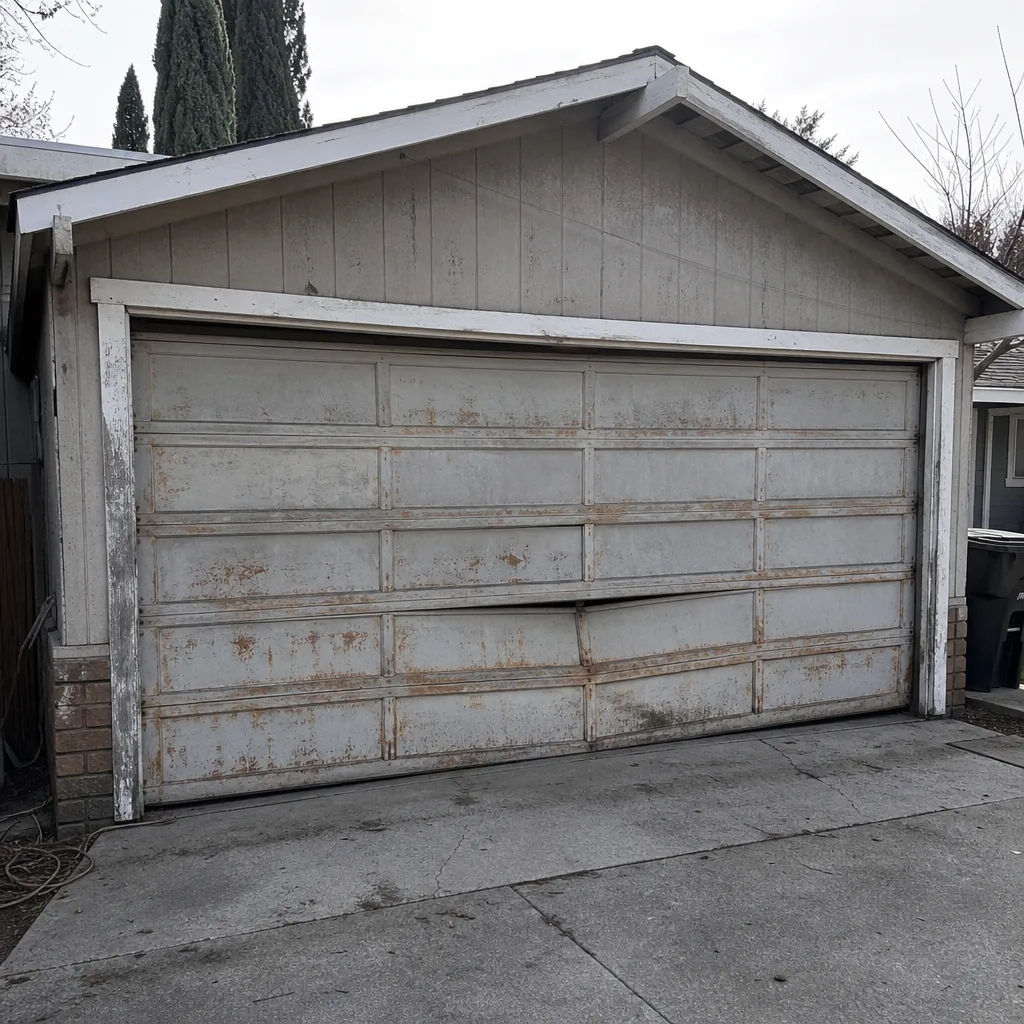 Before
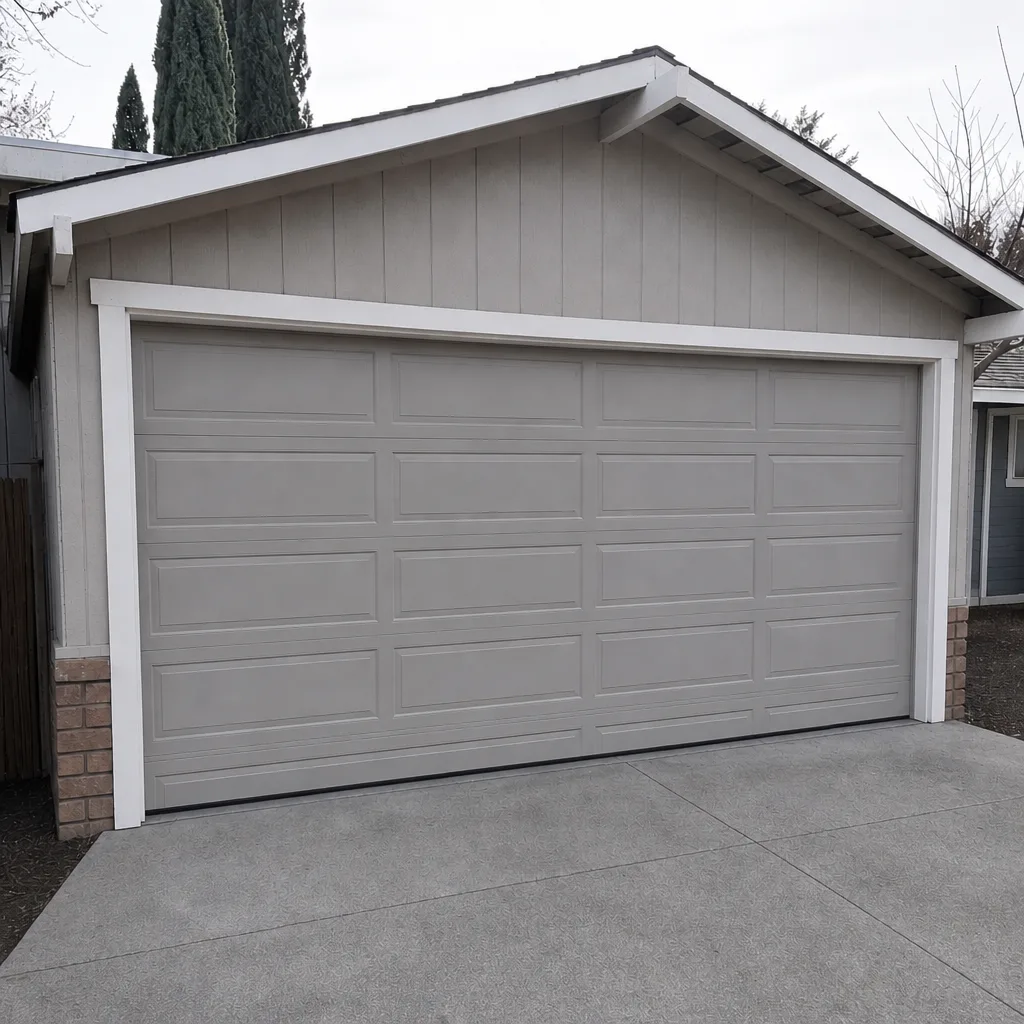 After
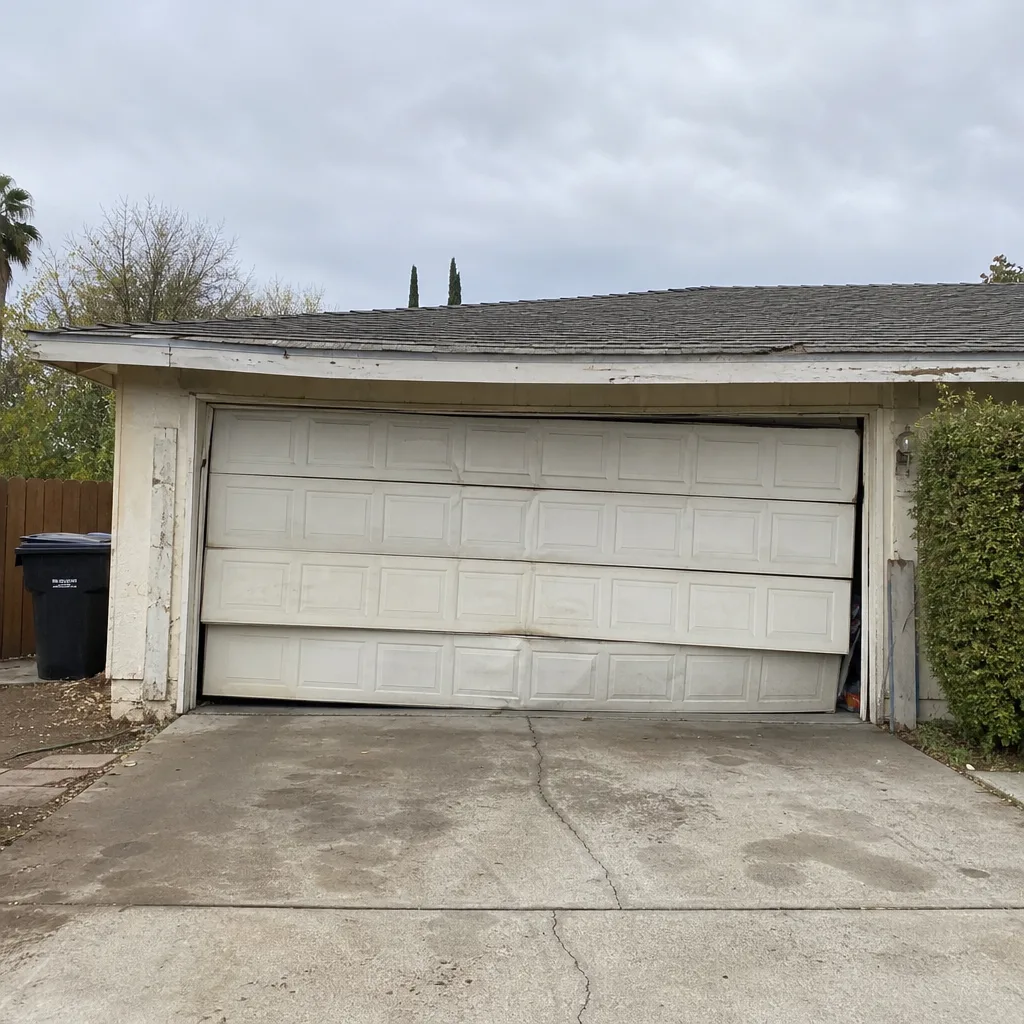 Before
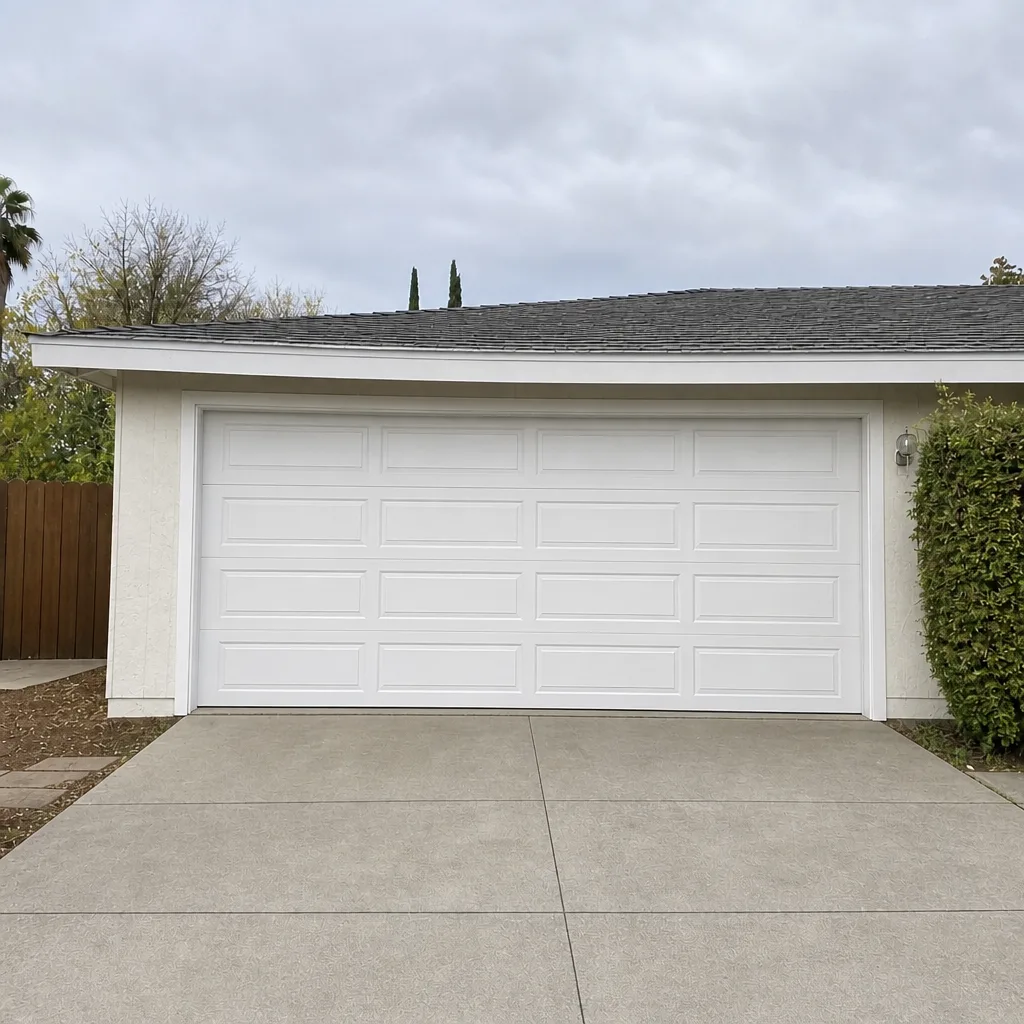 After
When to Call a Professional
Call a professional if you see a snapped spring, a frayed or dangling cable, a door hanging off its tracks, or a door that won’t stay closed. Call if you hear a loud bang and the door stops lifting. Call if a symptom is new and hasn’t settled after a few days, or if it’s getting worse rather than staying the same. And call if you’re just not sure which side of the monitor-it/stop-using-it line you’re on. Gallant Garage Door Repair offers free estimates in Visalia. Call (877) 754-6982. We answer 24/7. Fast dispatch from 7am to 7pm, Sunday through Friday.
Frequently Asked Questions
The most common are grinding or popping noises, a door that hesitates before moving, uneven travel, a gap along the bottom, and reversing before the door touches the floor. A loud bang followed by a door that won’t open is the most urgent. If you notice any of these, call (877) 754-6982 for a free estimate.
A broken spring usually announces itself with a loud snap or bang, and the door then feels extremely heavy and won’t lift properly. The door may also hang crooked or come down unevenly. Stop using the door and call a professional, since a failed spring is stored energy and not a do-it-yourself repair. Call (877) 754-6982 and we’ll walk you through what to expect.
A symptom that appears only on hot afternoons and fades in cooler weather is often thermal expansion, not a broken part. Metal in the door and track expands in the heat and can cause binding or hesitation. If it happens every time, hot or cool, it’s mechanical. Call (877) 754-6982 for a free estimate to tell the two apart.
Usually yes, if the grinding is mild and hasn’t changed, but you should schedule a repair soon. If the noise is paired with a door that binds, hangs crooked, or won’t lift, stop using it. Grinding that suddenly gets louder is a sign to call now. Call (877) 754-6982 for a free estimate.
Tell them what you hear, what you see, and how the door moves, plus the door and opener brands. Photos and short videos help most. This lets a technician arrive knowing which parts to expect, whether it’s the door or the opener. Call (877) 754-6982 and we’ll help you sort the details.
No. The price is set by the written estimate, and we quote and agree the price before any work starts. The estimate itself is free. What you’re told is the price you pay for the agreed work. Call (877) 754-6982 to book a free estimate in Visalia.
The Bottom Line
A garage door rarely fails without warning. It grinds before a roller seizes, it pops before a spring lets go, and it hesitates before the opener gives out. The skill is reading those signals correctly: separating the sounds and behaviors you can monitor from the ones that mean stop using the door today, and telling heat-driven symptoms apart from real mechanical wear. In Visalia, that difference is even more important, because the summer heat can mimic a failure that isn’t there. Document what you see, note the timing, and call when a symptom is new or getting worse. A warning sign is a gift, a chance to fix a small problem before it becomes an expensive one.
If your door is showing any of the signs in this guide, don’t wait for it to fail. Call Gallant Garage Door Repair at (877) 754-6982 for a free estimate. We answer 24/7. Fast dispatch from 7am to 7pm, Sunday through Friday.
Written by the team at Gallant Garage Door Repair.